


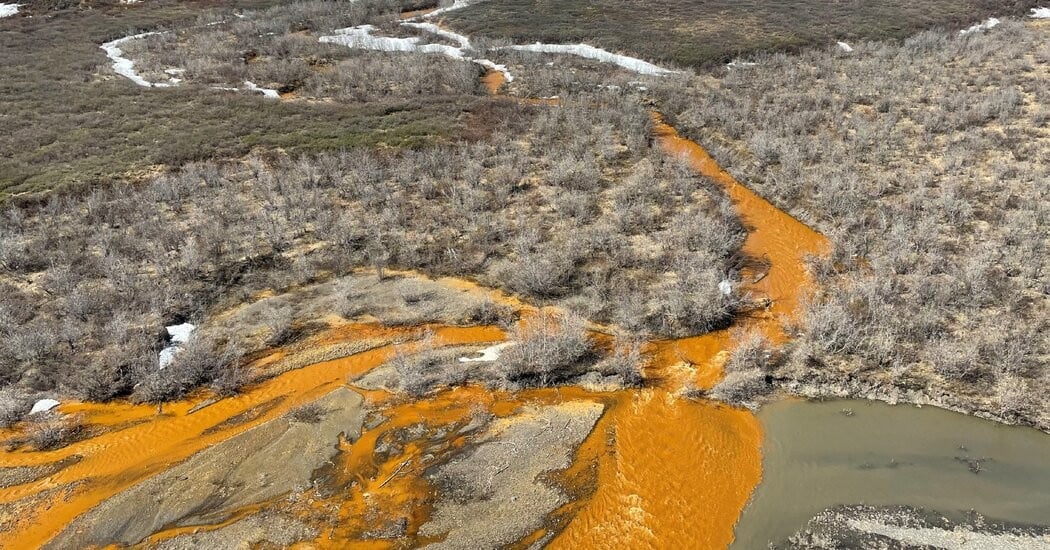
The Arctic is experiencing unprecedented warming, with record-high temperatures and rainfall documented between October 2024 and September 2025. A new report card from the National Oceanic and Atmospheric Administration (NOAA) and dozens of international scientists reveals that this rapid warming is accelerating permafrost thaw and releasing toxic minerals into waterways across northern Alaska, posing a direct threat to salmon populations.
Rapid Environmental Shifts
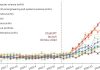
The report, based on 20 years of NOAA monitoring, details widespread environmental changes from Svalbard Island in Norway to the Greenland ice sheet and the Alaskan tundra. The period examined saw the warmest surface air temperatures in 125 years of record-keeping. This warming isn’t just about rising temperatures; it’s about the speed at which these changes are occurring.
The Arctic region acts as a climate regulator for the entire planet. Its instability therefore has cascading effects: faster sea level rise, altered weather patterns, and disruptions to global ecosystems.
Toxic Runoff Threatens Salmon Runs
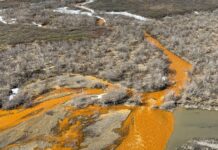
The increased rainfall, combined with thawing permafrost, is flushing heavy metals and other toxins into over 200 Alaskan rivers. These pollutants are directly harming salmon, a critical food source for both wildlife and human communities. The situation highlights how environmental degradation in the Arctic doesn’t remain isolated; it creates tangible risks for food security and regional economies.
Political Context: Research Under Pressure
The report’s release comes amid proposed budget cuts to NOAA’s research arm under the Trump administration. These cuts, along with the firing of 1,000 NOAA employees (and subsequent partial rehiring), threaten early warning systems for natural disasters and long-term climate monitoring.
The fact that this report was compiled despite these pressures underscores the urgency and dedication of the scientific community. Even with proposed funding reductions, researchers from multiple federal agencies and academic institutions across the US, Canada, and Europe collaborated to document these critical changes.
What’s Next?
The Arctic is warming at roughly four times the global average, making it a bellwether for climate change. The new report confirms that this trend isn’t slowing down; in fact, it’s accelerating. Continued monitoring, combined with strong environmental policies, is essential to mitigate the worst effects of Arctic warming and protect its unique ecosystems.
The Arctic’s fate is not separate from our own. The changes happening there will reshape the planet for generations to come.