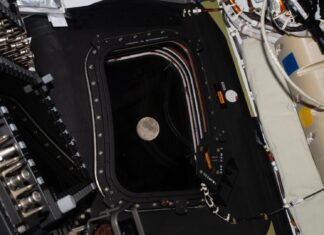



In a milestone for human space exploration, the Artemis 2 crew has successfully completed a historic flyby of the moon, marking the first time humans have circled our lunar neighbor in over half a century. The mission has officially set a new record for the farthest distance ever traveled by humans from Earth.
A Historic Journey into the Deep
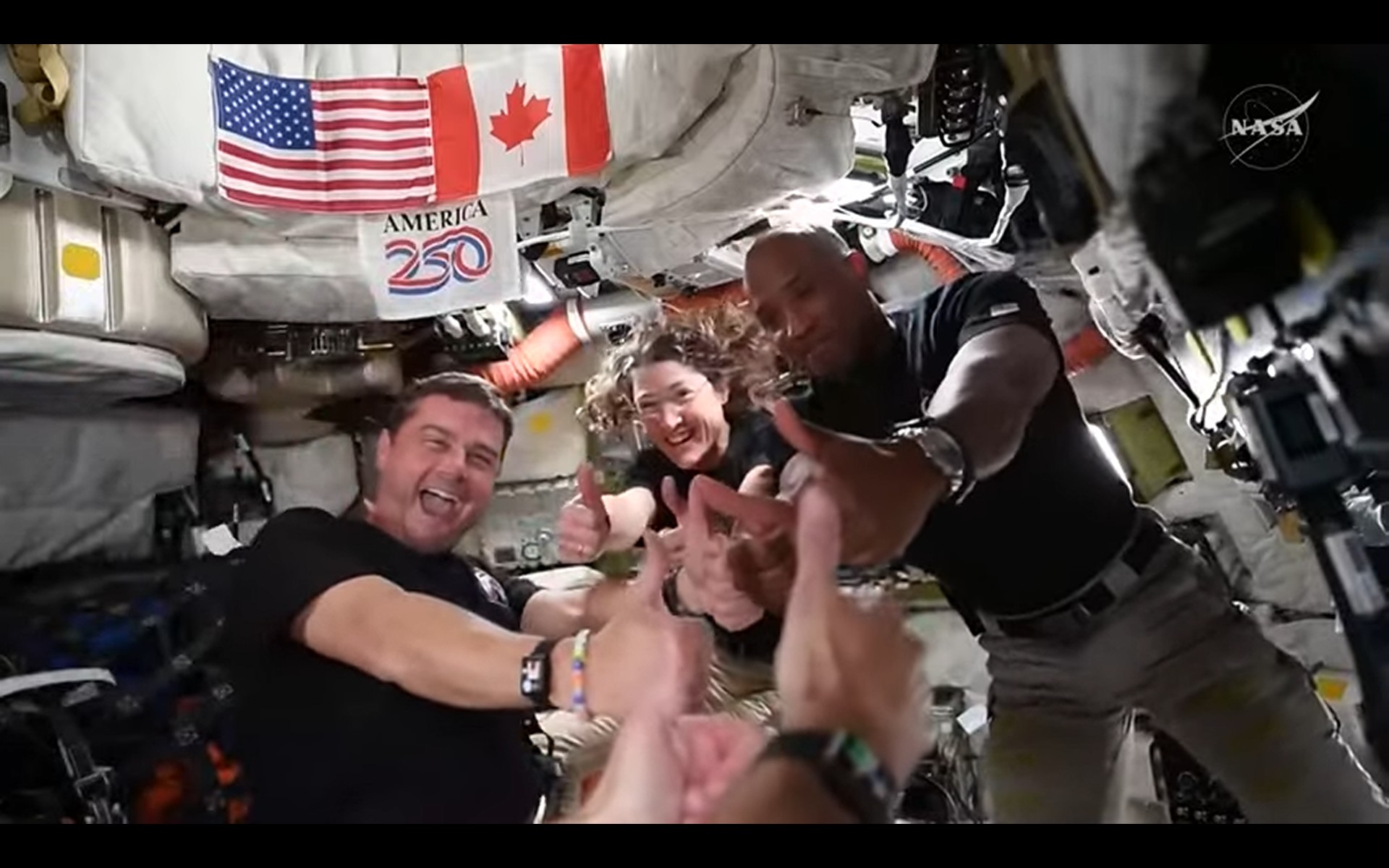
The 10-day mission, which launched on April 1 via NASA’s Space Launch System (SLS), represents the first crewed lunar flight since the Apollo 17 mission ended in 1972. The crew—consisting of NASA astronauts Reid Wiseman, Victor Glover, and Christina Koch, along with Canadian Space Agency astronaut Jeremy Hansen —spent several hours on Monday observing the lunar far side, a region never before witnessed by human eyes.
During a 12-minute communication from the White House, President Donald Trump praised the crew’s “courage and grit.” The conversation highlighted the intense nature of deep-space travel, including a 40-minute period where the crew lost contact with Earth while passing behind the moon.
Key Highlights from the Mission
The astronauts shared several insights regarding the psychological and technical challenges of the mission:
- Unprecedented Views: Commander Reid Wiseman noted that the crew saw sights “no human had ever seen before,” surpassing even the observations made during the Apollo era.
- The Isolation of the Far Side: Mission specialist Christina Koch described the profound moment of seeing Earth again after the communication blackout, noting it serves as a reminder of the importance of national leadership in space exploration.
- Technical Hurdles: NASA Administrator Jared Isaacman lightheartedly addressed ongoing technical issues, including “plumbing” difficulties reported by the crew during the flight.
- International Cooperation: The mission underscored a growing trend of global partnership, with Canadian astronaut Jeremy Hansen emphasizing how American leadership in space creates opportunities for other nations to participate in humanity’s next great leaps.
The Strategic Vision for Space
The mission is not merely a record-breaking feat; it is a foundational step in a much larger geopolitical and scientific strategy. President Trump emphasized the role of the U.S. Space Force and the long-term goal of establishing a permanent human presence on the moon.
This “Artemis era” signals a shift from short-term exploration to sustainable habitation. The ultimate objective is to use the moon as a stepping stone for much more ambitious goals:
1. Establishing a permanent lunar base.
2. Developing the technology required for crewed Mars missions.
3. Maintaining global leadership in the burgeoning space economy.
“We’ll establish a permanent presence on the moon, and we’ll push on to Mars… We will be second to none in space,” President Trump stated.
Conclusion
The Artemis 2 flyby marks the end of a 50-year hiatus in crewed lunar flight and serves as a successful proof of concept for deep-space travel. By successfully navigating the lunar far side, the crew has paved the way for the next generation of lunar landings and eventual human exploration of Mars.