


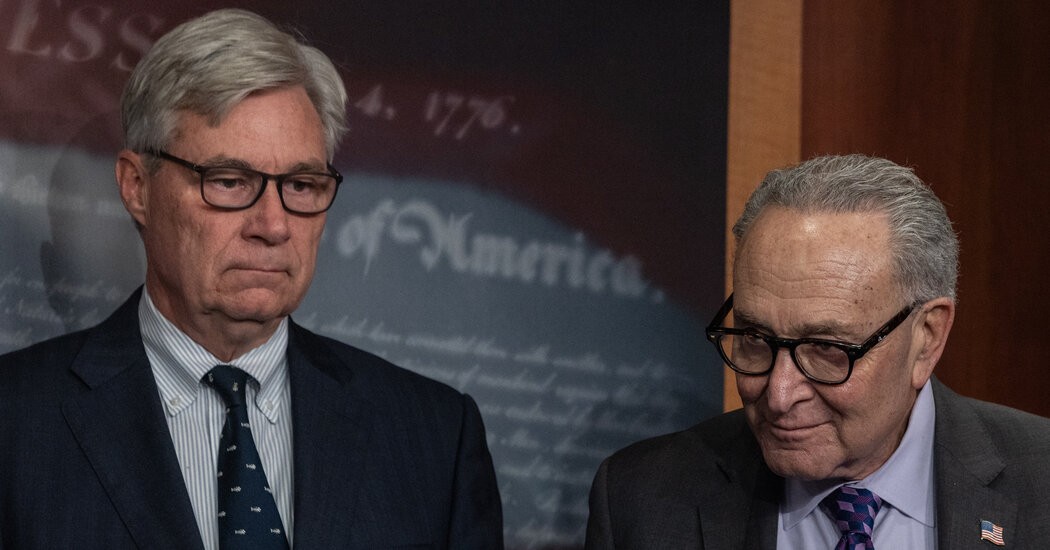
Democrats are intensifying attacks on President Trump, linking his energy policies to escalating oil prices and broader economic strain as the conflict with Iran enters its third week. A new Senate report accuses the administration of actively undermining energy affordability through the cancellation of numerous clean energy initiatives, even before the recent military escalation. This messaging serves as a cornerstone for the party’s midterm election strategy, focusing on cost-of-living concerns.
The Blame Game
The core argument centers on a direct correlation between rising energy costs and Trump’s policies. The conflict in Iran is exacerbating the situation, but Democrats assert that the administration’s actions – specifically the rollback of clean energy subsidies – have already been driving up prices. According to the Senate report, 354 clean energy projects have been stalled or canceled since Trump took office, leading to project delays, layoffs, and increased costs for consumers.
Republican Concerns
Even some Republican strategists acknowledge the effectiveness of the Democratic strategy. Ron Bonjean, a G.O.P. advisor, stated bluntly that “The war in Iran doesn’t help… It’s not hard to connect high oil prices to the war and blame Republicans.” This highlights the political vulnerability the Trump administration faces on the energy front.
White House Retaliation
The White House dismisses the accusations as hypocritical, pointing to previous Democratic policies that they claim artificially inflated energy prices through aggressive climate regulations. Spokesperson Taylor Rogers argues that Trump is actively fixing an energy crisis created by the Democrats’ “radical climate agenda.” This sets the stage for a contentious debate over the true cause of rising energy costs.
The Bigger Picture
The dispute highlights a deeper trend: the increasing politicization of energy policy. Both parties are framing the issue in terms of affordability and economic impact, rather than purely environmental concerns. The Democrats’ focus on clean energy projects suggests a broader attempt to position themselves as champions of lower costs and sustainable alternatives.
However, whether they can translate these talking points into a cohesive economic plan before the elections remains uncertain. For now, the escalating conflict in Iran and the resulting surge in oil prices are providing Democrats with a potent political weapon. The long-term outcome will depend on how effectively both parties can convince voters that their policies offer the most viable path to energy affordability.