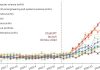






Recent research dramatically revises estimates of how much our genes dictate how long we live. A groundbreaking study from the Weizmann Institute of Science in Israel suggests that genetics may account for up to 55% of lifespan variation, significantly higher than earlier estimates which often fell between 20-25%, and sometimes as low as just 6%. This discovery has major implications for aging research, longevity studies, and our fundamental understanding of life itself.
The Problem with Past Data
Previous lifespan heritability studies have been unreliable due to incomplete records on how people die. Historically, distinguishing between deaths caused by genetics (aging, disease) and external factors (accidents, infections) was difficult. The new study addresses this by using advanced statistical models to separate intrinsic (internal) deaths from extrinsic (external) ones. This approach improves accuracy because the older we get, the more likely any given death is due to internal causes.
Why Twin Studies Matter
The team analyzed data on thousands of twins, including those raised separately – a crucial element missing in previous research. Twin studies are ideal for isolating genetic effects because they control for environmental influences such as lifestyle, diet, and education. By comparing identical twins (who share nearly identical DNA) to fraternal twins (who share about half), scientists can more clearly determine how much of a trait – in this case, lifespan – is determined by genes.
The 55% Figure: What it Means
The 55% heritability estimate aligns with genetic influences observed in other complex traits like height. This suggests that lifespan, like many aspects of human biology, is deeply rooted in our genetic makeup. The researchers state that this high degree of heritability justifies renewed efforts to identify specific genes linked to longevity.
“If heritability is high, as we have shown, this creates an incentive to search for gene variants that extend lifespan, in order to understand the biology of aging and, potentially, to address it therapeutically.”
– Ben Shenhar, Weizmann Institute of Science
Future Research and Therapeutic Implications
The study’s findings don’t invalidate past research; they highlight the limitations of the data previously used. The next step is to validate these results using more detailed modern datasets. Identifying the specific genes responsible for longevity could unlock new therapeutic strategies for slowing aging and extending human lifespan.
In conclusion, this research decisively demonstrates that genetics play a much larger role in determining how long we live than previously understood. This discovery opens exciting avenues for further exploration into the biology of aging and the potential for interventions to improve human longevity.