

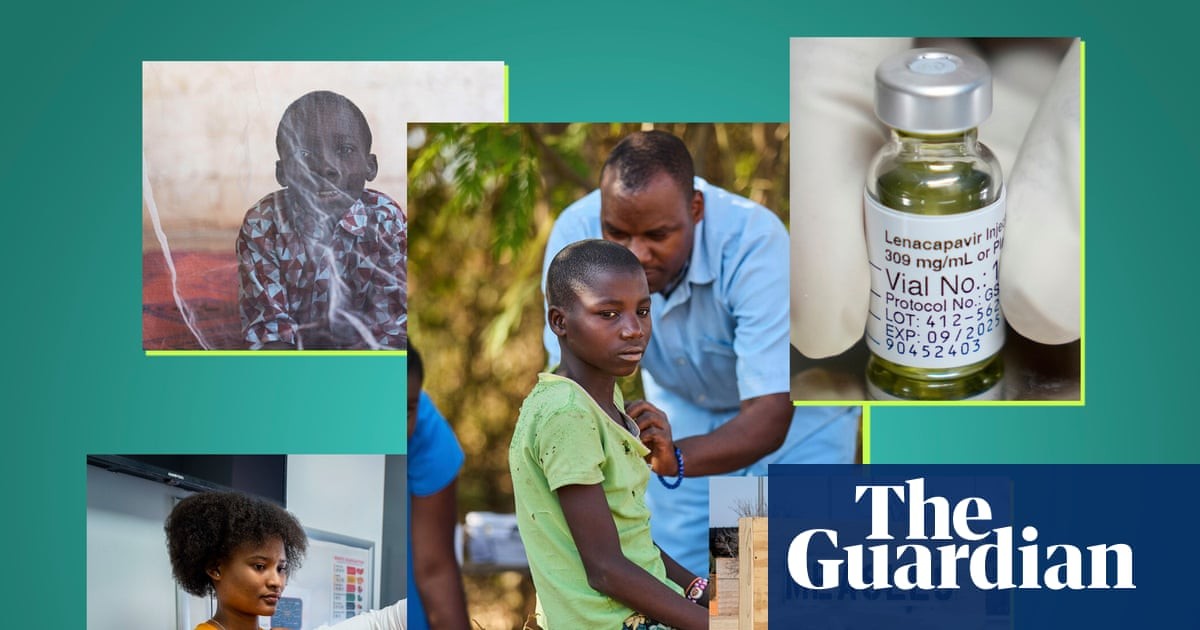
Despite funding cuts and ongoing challenges, 2025 has seen remarkable progress in global health. New tools and strategies are dramatically improving outcomes against some of the world’s deadliest diseases, offering a rare dose of optimism amid persistent crises. This progress isn’t just about scientific advancement; it’s about effective implementation, strategic partnerships, and a renewed commitment to reaching those most in need.
Cervical Cancer Elimination Gains Momentum
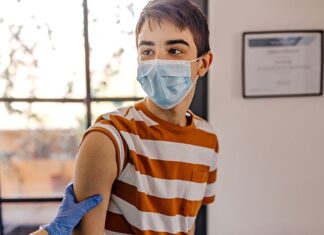
A key milestone was reached early: over 86 million girls have been vaccinated against cervical cancer, exceeding the 2025 target. This success stems from the adoption of single-dose HPV vaccination, which simplifies logistics and doubles vaccine efficiency.
The impact is profound: the 86 million doses are projected to prevent an estimated 1.4 million cervical cancer deaths. While the disease remains devastating in sub-Saharan Africa, where 85% of new cases occur, the rapid expansion of vaccination programs is changing the trajectory. This shows how targeted interventions can dramatically reduce mortality rates even in resource-constrained settings.
A New Era in Malaria Treatment with GanLum
After decades of stagnation, a new class of malaria drug, GanLum, is poised for regulatory approval. Clinical trials demonstrated a 99.2% cure rate, outperforming standard treatments and offering a critical defense against artemisinin-resistant parasites.
Drug resistance is a recurring threat in malaria control, as evidenced by past failures with chloroquine. GanLum provides a much-needed “fire extinguisher” against evolving parasites, potentially averting millions of deaths. Researchers also hope it will reduce transmission, further slowing the spread of the disease.
Measles Elimination Advances in Africa and the Pacific
Cape Verde, Mauritius, and Seychelles have become the first sub-Saharan nations to officially eliminate measles and rubella. This success stands in stark contrast to global measles outbreaks, including a surge in the Americas.
These African nations demonstrate that prioritizing vaccination can yield transformative results. With 95% coverage in Botswana and Rwanda, further gains are within reach. Globally, nearly 59 million lives have been saved by the measles vaccine since 2000, underscoring its proven impact.
Lenacapavir: A Game-Changer in HIV Prevention
A new HIV-prevention drug, Lenacapavir, is being rolled out in sub-Saharan Africa following its US approval. Administered as an injection twice a year, it offers near-complete protection against HIV infection.
Gilead, the manufacturer, has committed to providing the drug at no profit for up to two million people and has licensed generic production to ensure affordability. This rapid availability—unlike previous drugs that took years to reach low-income countries—is a breakthrough in global health equity. However, access remains uneven, and affordability remains a concern for many communities.
Advances in Tuberculosis Treatment
Tuberculosis, the world’s leading infectious disease killer, is facing new challenges with ongoing research. Four vaccines are in final testing, alongside easier diagnostic tools like tongue swabs. A new antibiotic, sorfequiline, has shown promise in clinical trials, potentially shortening treatment durations.
These advances build on a 2019 regimen that already reduced treatment time to six months. Further refinements, including integrating sorfequiline, could accelerate progress toward eradicating TB. While eradication remains a distant goal, these breakthroughs offer renewed hope in a decades-long fight.
Conclusion: These advancements demonstrate that despite systemic challenges—funding cuts, drug resistance, and logistical hurdles—significant progress is possible. Effective vaccine deployment, innovative treatments, and equitable access initiatives are saving millions of lives and reshaping the landscape of global health. Sustained investment and commitment are critical to building on these gains and ensuring a healthier future for all.