

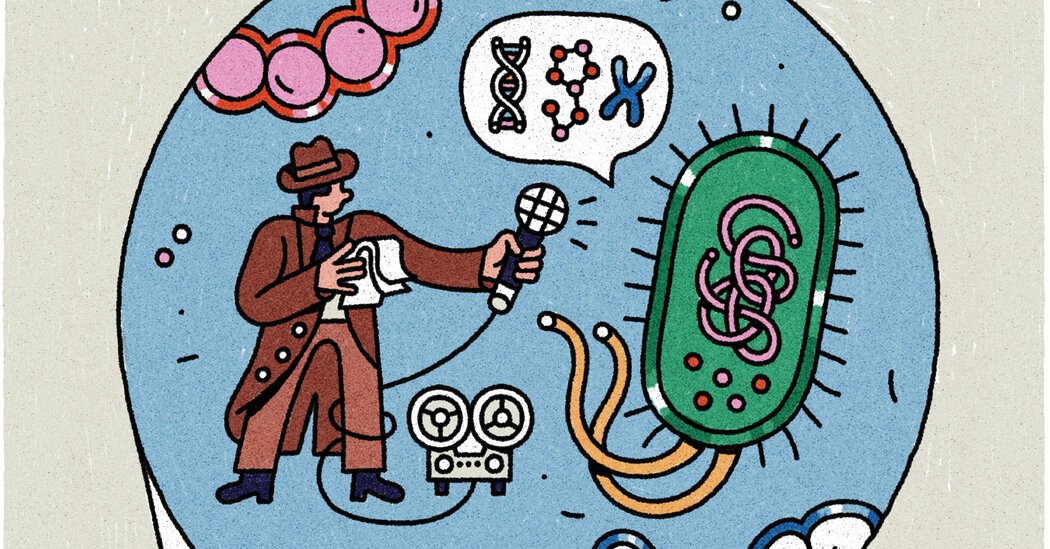
The Science desk at The New York Times doesn’t just cover the planet’s biggest crises — disease, nuclear threats, failing infrastructure — it also cultivates a space for pure fascination. The column “Trilobites” is designed to deliver precisely that: short, surprising observations about the natural world, meant to remind readers why our fragile planet is still worth protecting.
A Counterbalance to Gloom
Senior staff editor Michael Roston, who has overseen “Trilobites” since 2016, explains that the column’s purpose is simple: to provide “a dose of fascination” in an overwhelming news cycle. He notes that the constant stream of grim headlines makes moments of wonder all the more vital.
“We want anybody who is seeking some dose of fascination to come to these stories.”
Sourcing the Extraordinary
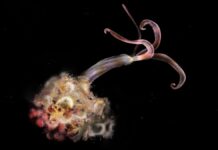
The column isn’t about inventing novelty; it’s about finding it in the deluge of scientific research. Roston’s team sifts through weekly publications, seeking studies that genuinely spark curiosity. Recent examples include unexpected animal friendships, a squid with camouflage abilities, and the surprisingly rich composition of seal milk.
One particularly memorable piece involved marine biologists covertly photographing sleeping whales, a feat that highlights the lengths scientists go to understand the natural world.
Why This Matters
In a world increasingly defined by existential threats, the deliberate pursuit of wonder isn’t frivolous. It’s a recognition that hope and action stem from connection — and connection requires awe. By consistently showcasing the extraordinary details of life on Earth, “Trilobites” offers a subtle but powerful counterpoint to despair.
The column is a reminder that even as the planet faces severe challenges, the universe remains full of surprises and beauty.
This is not escapism, but rather a vital part of the conversation: science can be frightening, but it is also deeply beautiful.
In a world saturated with bad news, a dose of wonder might be precisely what we need to keep fighting for a better future.