


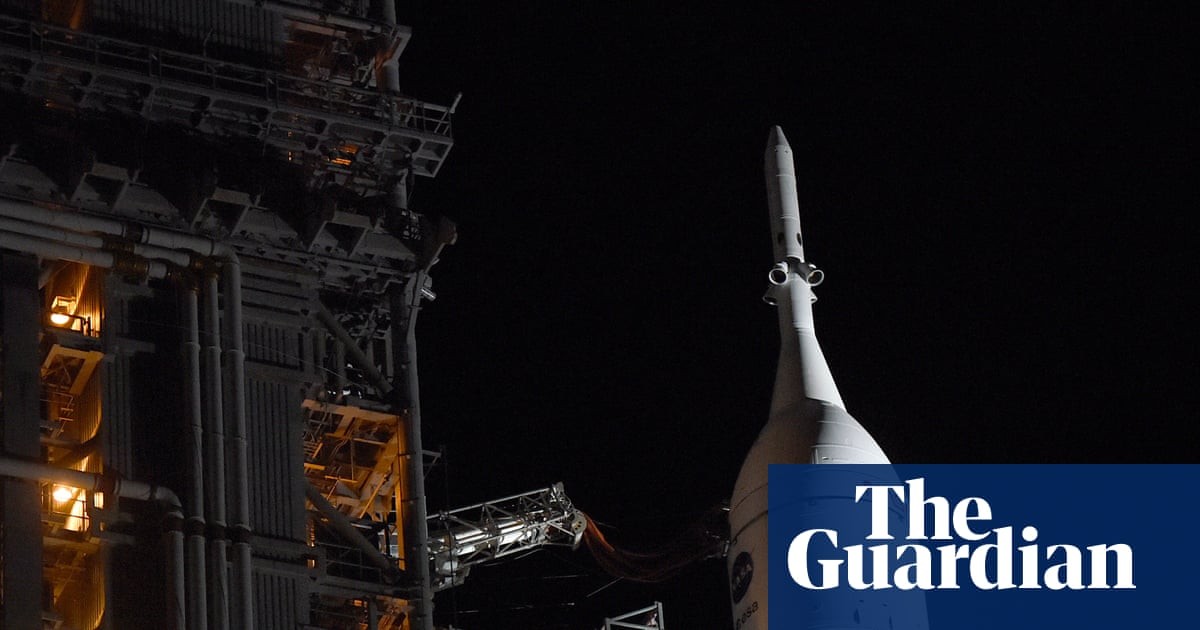
NASA’s Artemis II mission, set to launch this week, will carry humans farther from Earth than ever before, marking the first crewed lunar return in over half a century. With plans for a potential landing by 2028, a key question arises: why revisit the Moon, given that the Apollo missions already accomplished this?
Beyond Nostalgia: The Strategic Value of Lunar Exploration
The renewed interest isn’t merely about repeating history. The Moon is now recognized as a crucial stepping stone for deeper space exploration – particularly for eventual missions to Mars. Unlike previous efforts focused primarily on national prestige, today’s lunar ambitions incorporate scientific, economic, and strategic goals.
The Moon’s resources, including water ice at the poles, could be harnessed to produce rocket fuel and sustain long-term lunar habitats. This would significantly reduce the cost and complexity of future missions, making Mars colonization more feasible.
The Artemis Program: A Collaborative Effort
The Artemis program isn’t solely an American undertaking. It involves international partnerships, including contributions from the European Space Agency and other nations. This collaborative approach highlights a shift from Cold War-era space races to a more unified, resource-driven pursuit of space exploration.
Long-Term Sustainability and Scientific Discovery
The Artemis missions aim to establish a sustainable lunar presence, not just temporary visits. This includes building infrastructure like lunar bases and developing technologies for in-situ resource utilization (ISRU). The scientific benefits are also substantial: studying the Moon’s geology can reveal insights into the early solar system, while its unique environment offers an ideal testing ground for future space technologies.
The Moon is no longer just a destination; it’s a proving ground for the next generation of space travel.
The Artemis II mission is more than just a symbolic return. It represents a calculated step towards a future where space exploration is not just possible, but sustainable, collaborative, and economically viable.