




The rapid expansion of satellite infrastructure in Earth’s orbit is creating a dangerous situation: a potential cascade of collisions that could render space launches impossible, effectively grounding humanity. What began as a limited, strategic use of space for scientific and military purposes has spiraled into a constant influx of thousands of satellites, both public and private, each serving various functions from communication to Earth observation.
The Crowded Sky: Exponential Growth
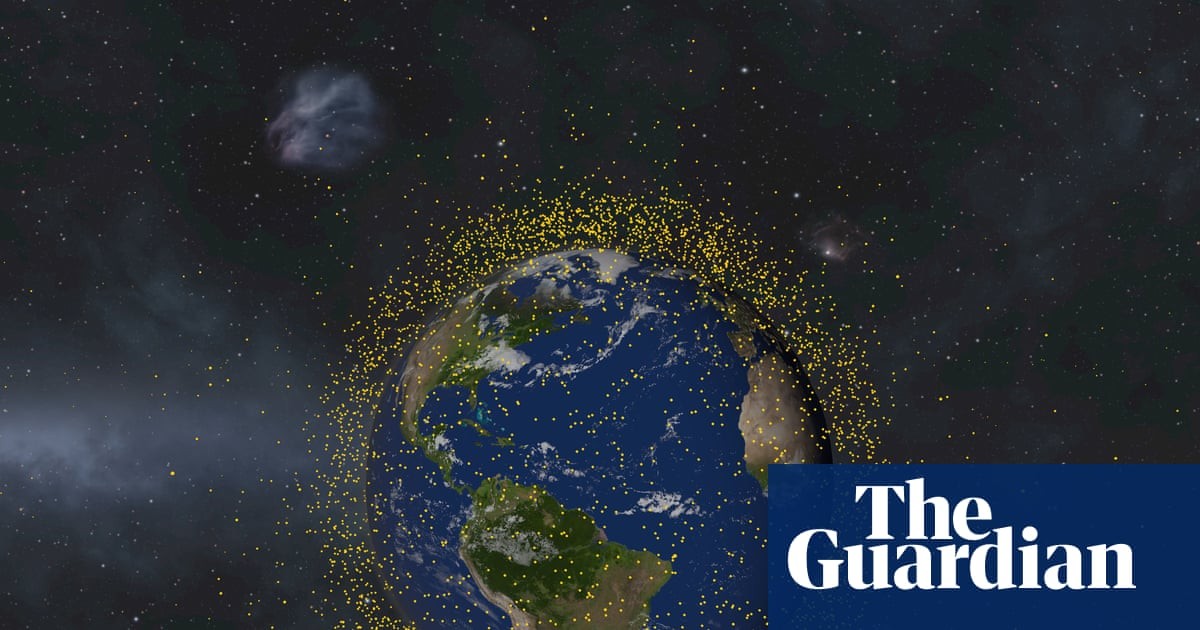
Over the past few decades, the number of objects in orbit has exploded. By the end of this decade, estimates suggest there could be over 60,000 active satellites in space. This growth isn’t just numerical; it introduces a complex web of orbital traffic, including communication, weather, navigation, and Earth observation satellites. The United Nations is working to catalog these objects, but even this effort struggles to keep pace with the sheer volume.
This expansion isn’t without consequences. Astronomers already debate the impact of mega-constellations on light pollution, and managing orbital traffic has become dramatically more difficult.
The Collision Risk: A Domino Effect Scenario
The increasing density of objects in orbit drastically raises the risk of collisions. The 2009 crash between a US and a Russian satellite serves as a stark warning. That event alone created tens of thousands of high-velocity metal fragments still orbiting today.
The real danger lies in a chain reaction: one collision creates debris, that debris hits other satellites, creating more debris, and so on. This could result in a near-impenetrable layer of space debris, making launches too dangerous to attempt.
“The cascade potential is real, but it would happen over decades,” says Jonathan McDowell, an astrophysicist who has tracked satellites for decades. “The current danger level is sort of tolerable… but this feels fragile. All you need is for two players to screw up on the same day.”
Current Mitigation Efforts: A Fragile System
The current system relies on constant cooperation. Satellite operators must continuously adjust their craft’s trajectories to avoid collisions. If that cooperation falters—even for a few days or weeks—the situation could quickly deteriorate.
Space agencies are exploring methods for removing defunct satellites from orbit, including nets, robotic arms, and high-powered lasers. However, these solutions are still under development and don’t address the underlying problem of continued launches.
Data and Methodology
The analysis presented is based on data from Space-Track.org, TS Kelso’s CelesTrak, and research by astrophysicist Jonathan McDowell. The US Space Surveillance Network (SSN) provides core data, but it doesn’t account for all objects, especially classified military satellites. McDowell and CelesTrak help fill in gaps in the records.
The map visuals show satellites in orbit at a specific moment; their orbits are based on speed and height metrics, which can change throughout a satellite’s lifespan.
Conclusion: The exponential growth of satellites in orbit poses a significant and increasing threat to space access. While the current situation is manageable through cooperation, the potential for a catastrophic chain reaction remains very real. Failure to address this problem now could leave humanity permanently grounded.