


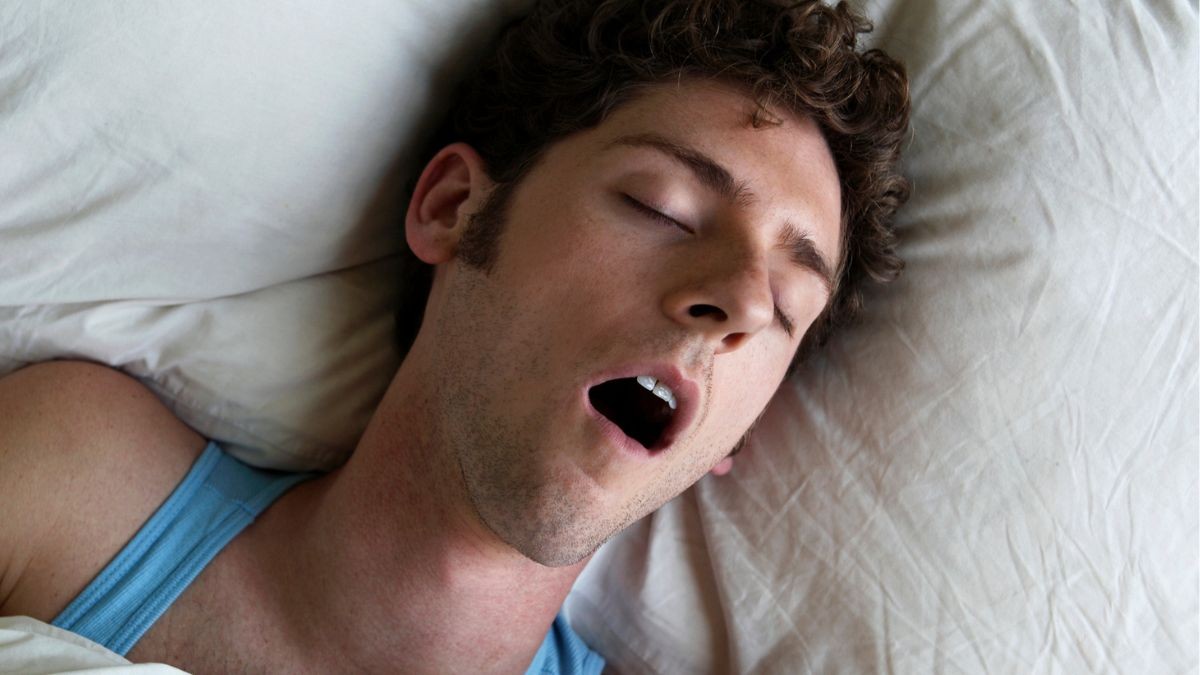
A clinical trial has revealed that an existing epilepsy medication, sultiame, can significantly reduce sleep apnea severity in patients by up to 50%. This finding offers a potential alternative to cumbersome CPAP machines and recently approved weight-loss drugs for the condition.
The Problem with Current Treatments
Sleep apnea, a condition where breathing repeatedly stops and starts during sleep, affects millions worldwide and is linked to serious health risks, including heart disease and cognitive decline. Current standard treatment, CPAP machines, can be uncomfortable and difficult for some patients to tolerate. Recent FDA approval of tirzepatide (Mounjaro/Zepbound) addresses sleep apnea through weight loss, but it doesn’t tackle the underlying physiological issues. This leaves a critical gap in effective, direct treatments.
Sultiame: A New Approach
Researchers at the University of Gothenburg in Sweden conducted a stage II clinical trial with 240 participants diagnosed with moderate to severe obstructive sleep apnea across five European countries. Participants were divided into groups receiving placebo, 100mg, 200mg, or 300mg of sultiame daily before bed. The results were striking:
- All doses of sultiame reduced breathing disturbances and improved overnight oxygenation compared to the placebo group.
- The 200mg and 300mg doses reduced sleep apnea severity by 30% to 50%, far exceeding placebo effectiveness.
- No serious safety concerns were reported, suggesting the drug is well-tolerated at therapeutic doses.
Why This Matters
Sultiame, originally synthesized in the 1950s, has been used in Europe, Israel, Japan, and Australia for partial seizures but isn’t approved in the US. The new trial demonstrates the drug improves upper airway muscle tone and stabilizes respiratory control, offering a unique mechanism to address sleep apnea directly.
Given that the risk of developing sleep apnea is projected to rise by nearly 50% in coming years, identifying new treatment options is critical. The study suggests a more accessible and comfortable solution may soon be available for those who struggle with current methods.
The Next Steps
While the results are promising, larger, longer-term studies are needed to confirm sustained effectiveness and ensure broader patient safety. However, this trial establishes sultiame as a viable new direction in pharmacotherapy for sleep-disordered breathing, potentially revolutionizing how millions manage this condition.