

For millennia, the Americas have been populated by humans. The earliest arrivals came during the last glacial period, when massive creatures like woolly mammoths, giant ground sloths, and saber-toothed cats thrived on the continent. These first Americans left behind traces of their lives – not just in artifacts, but in deeply human moments captured in the archaeological record.
Early Evidence: Footprints and Burials
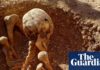
One striking example comes from White Sands National Park in New Mexico: perfectly preserved prehistoric footprints. They depict a caregiver walking with a young child, offering an intimate glimpse into family life tens of thousands of years ago. Another poignant discovery is a cremation burial in Alaska, where the remains of a 3-year-old child were carefully laid to rest. These findings remind us that even the earliest Americans experienced the same joys and sorrows as we do today.
The Mystery of Arrival
The exact timing and methods of the first American migrations remain a subject of debate. The prevailing theory suggests that people crossed the Bering Land Bridge from Siberia during the ice age, but new evidence suggests possible earlier coastal routes. Some archaeological sites predate the traditionally accepted timeline by thousands of years, challenging existing assumptions about how and when humans first populated the Americas.
Why This Matters
The study of early Americans isn’t just about history; it’s about understanding our own origins. By piecing together the stories of these first people, we learn about resilience, adaptation, and the deep connection between humanity and the land. The discoveries at sites like White Sands and ancient burial grounds are not simply scientific findings: they are reminders that our species has a long and complex history in this part of the world.
The story of the first Americans is still unfolding. Ongoing research continues to refine our understanding of their movements, cultures, and the challenges they faced as they settled a new continent. Their legacy endures in the descendants of Indigenous communities across the Americas, and in the mysteries that continue to emerge from the archaeological record.