



Recent research indicates that even moderate global warming – around 3.6 degrees Fahrenheit (2 degrees Celsius) above pre-industrial levels – could trigger dangerous weather events with a frequency previously associated with much higher temperature increases. This means deadly floods, catastrophic droughts, and devastating wildfires may become more common sooner than anticipated, even if global warming is “limited” to what was once considered a moderate scenario.
The Problem With Averages
The study, published in Nature, challenges the conventional approach of relying on average climate model outputs. Researchers re-examined the same models used by the Intergovernmental Panel on Climate Change (IPCC), but instead of averaging results across all 50 models, they analyzed each model independently. This revealed a wider range of possible outcomes than typically reported, exposing the potential for extreme impacts even at lower warming levels.
Sector-Specific Vulnerabilities
The team focused on three critical sectors: densely populated areas (prone to flooding), major crop-producing regions (vulnerable to drought), and forests (at risk of wildfires). The findings show that under 3.6°F of warming, climate events in each sector can vary drastically in intensity, with some models predicting outcomes as severe or worse than those expected under 5.4°F (3°C) or 7.2°F (4°C) of warming.
- Flooding: Cities may experience rainfall increases of 4% to 15%, exceeding typical expectations for 5.4°F warming, especially in India and West Africa. Limited drainage capacity makes urban areas particularly susceptible.
- Droughts: Roughly one in four models predicts that droughts under 3.6°F warming could be as severe or worse than those expected with 7.2°F warming. The Indian subcontinent, East Asia, and parts of North and South America are among the most at-risk regions.
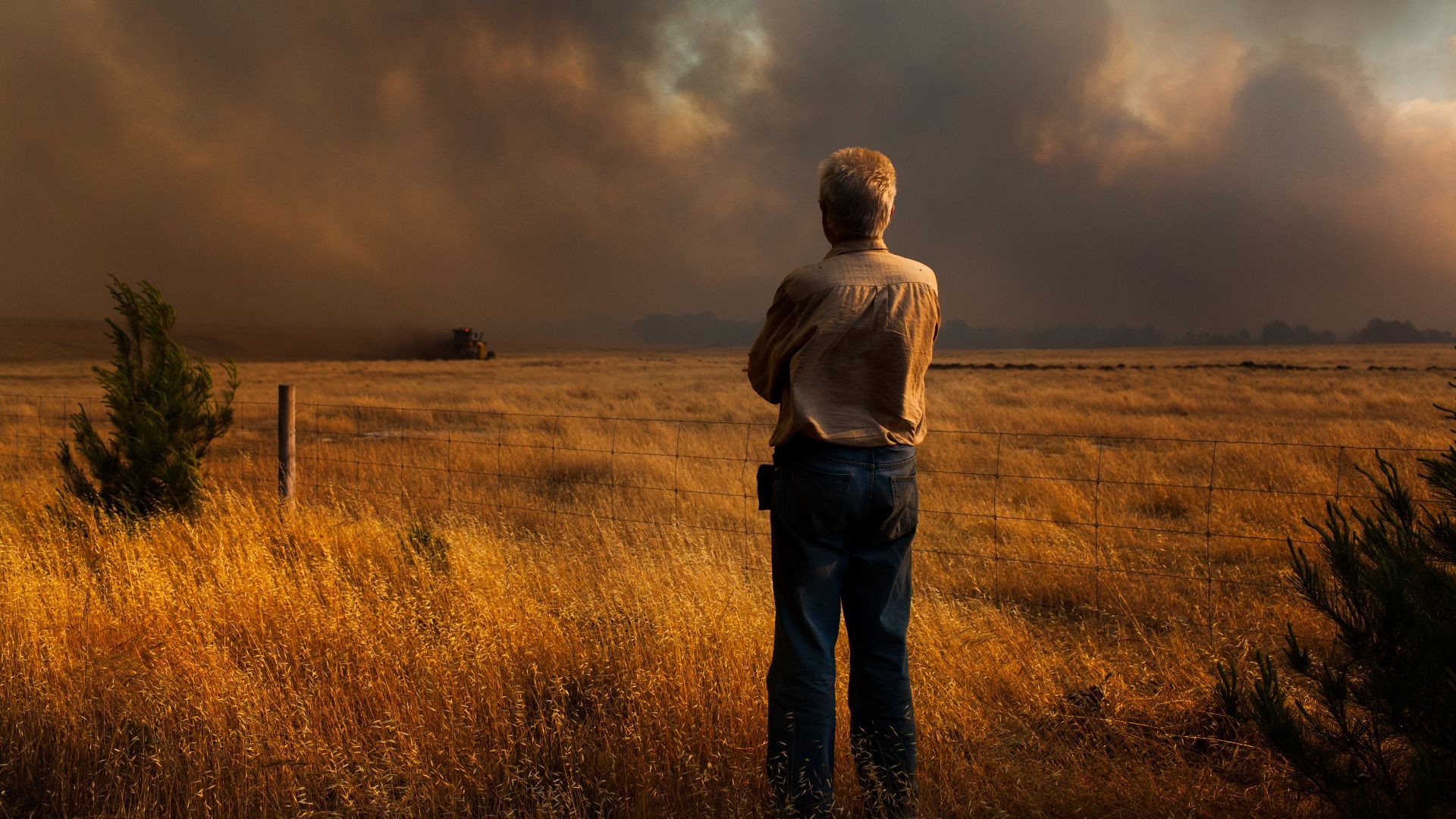
- Wildfires: In roughly 20% of models, fire-causing weather conditions under 3.6°F warming could be as extreme as those projected for 5.4°F warming. Critical carbon sink forests in Canada, Africa, and parts of Russia are especially vulnerable.
Uncertainty and Adaptation
The study acknowledges a low probability of these worst-case scenarios occurring, but stresses that they cannot be ignored. Ignoring them would mean failing to plan for consequences that could be devastating. The authors warn that focusing solely on likely outcomes or model averages can create a false sense of security.
“Focusing on the most likely outcome or model averages alone can create a false sense of security about moderate global warming,” says study lead author Emanuele Bevacqua. “At the same time, the plausibility of extreme outcomes should be carefully evaluated.”
The findings reinforce the urgency of limiting warming well below 2°C (3.6°F) and highlight the need to examine extreme scenarios in case they materialize. While mitigation through better water policies may help in some regions, climate models may also be overlooking unknown factors. The real world may have unpleasant surprises.
This study underscores that even seemingly moderate warming levels carry substantial risks. The range of potential outcomes demands a more cautious and comprehensive approach to climate adaptation planning.