




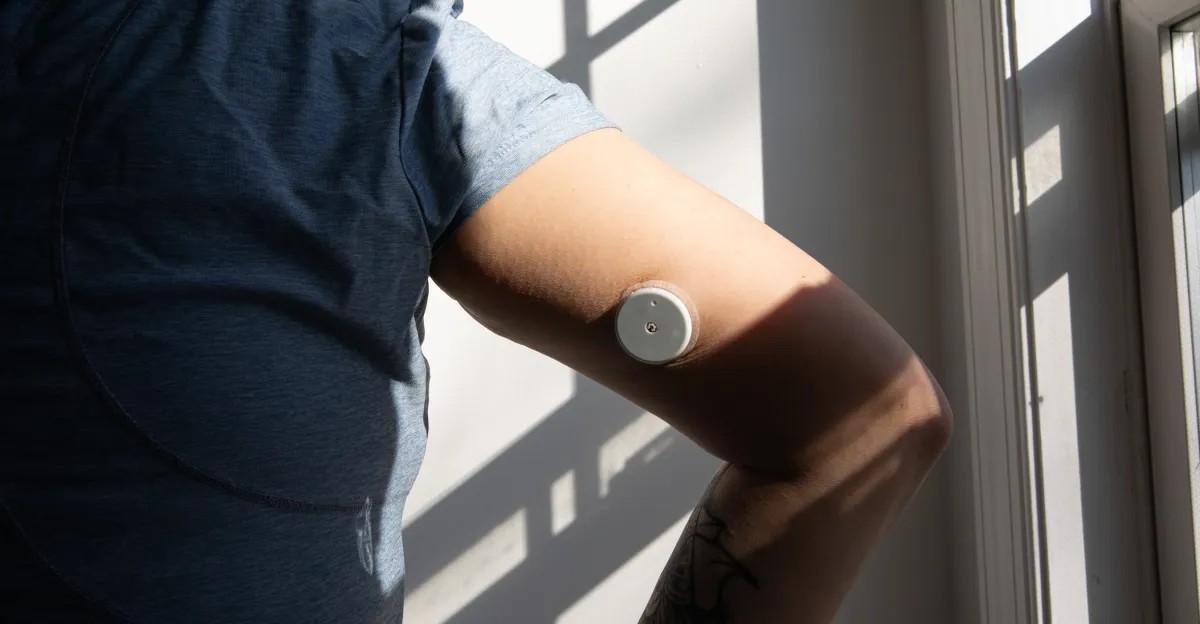
For decades, Continuous Glucose Monitors (CGMs) were strictly medical tools reserved for Type 1 diabetics. Today, they are part of a massive technological shift toward “biohacking”—a movement where healthy individuals use wearable tech to optimize their bodies, track metabolic health, and gain a sense of control over their long-term well-being.
However, as these devices move from the doctor’s office to the consumer market, a critical question emerges: Does constant data provide clarity, or does it simply fuel health anxiety?
From Medical Necessity to Lifestyle Accessory
The landscape of glucose monitoring has shifted dramatically. Until recently, CGMs required a prescription. Now, companies like Dexcom and Abbott are launching over-the-counter options—such as the Dexcom Stelo and Abbott Lingo—specifically targeting non-diabetics, prediabetics, and those looking to optimize performance.
The motivation behind this push is significant:
* The Metabolic Crisis: Type 2 diabetes accounts for roughly 95% of all diabetes cases in the US, with millions more in the prediabetic stage.
* The “Optimization” Trend: Influencers, athletes, and wellness advocates promote CGMs as a way to “fix” metabolic dysfunction, which they argue is the root of many chronic ailments.
* Tech Integration: Major players like Oura and Withings are increasingly integrating glucose data into their ecosystems, turning metabolic tracking into the next frontier of fitness wearables.
The Hidden Cost of Hypervigilance
While the promise of “real-time data” is enticing, the reality of wearing a sensor 24/7 can be psychologically taxing. For a non-diabetic user, the constant stream of numbers can transform a healthy lifestyle into a source of obsessive monitoring.
One user’s experience highlights the potential pitfalls of this “data-driven” life:
1. The Anxiety Loop: Seeing a glucose spike after a meal or an elevated reading upon waking can trigger intense worry, leading to unnecessary medical appointments and “health hyperfixation.”
2. The Accuracy Gap: CGMs measure glucose in the interstitial fluid (the fluid between cells), not directly in the blood. This can lead to discrepancies. Furthermore, physical factors—like sleeping on the sensor—can compress the device, resulting in inaccurate readings that may not reflect actual blood sugar levels.
3. The Interpretation Problem: Without medical training, users may struggle to distinguish between a normal physiological response (like the “Dawn Phenomenon,” where the body releases glucose to wake you up) and a genuine medical issue.
A Tool Without a Roadmap?
Medical experts remain cautiously skeptical about the widespread use of CGMs for healthy populations. While the technology is impressive, there is a notable lack of long-term research regarding its impact on non-diabetics.
“We assume they’re completely accurate, but they’re not exactly accurate… there’s still some wiggle room,” notes Dr. David Klonoff, medical director of the Diabetes Research Institute.
Furthermore, different manufacturers use different methods to present data. Some send aggressive “spike alerts” that can trigger panic, while others use simplified “scores” to sanitize the raw data. This lack of standardization means two different devices might tell two different stories about the same body.
The Bottom Line
CGMs offer a powerful window into how food, stress, and sleep affect our biology, potentially allowing for early intervention in metabolic diseases. However, without proper context and clinical guidance, this “window” can easily become a mirror for anxiety, turning the pursuit of health into a source of stress.
Conclusion: While CGMs provide unprecedented access to personal biological data, they require a careful balance of scientific literacy and psychological resilience to ensure that “optimization” doesn’t turn into obsession.