

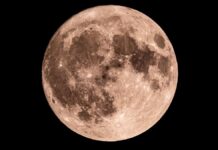

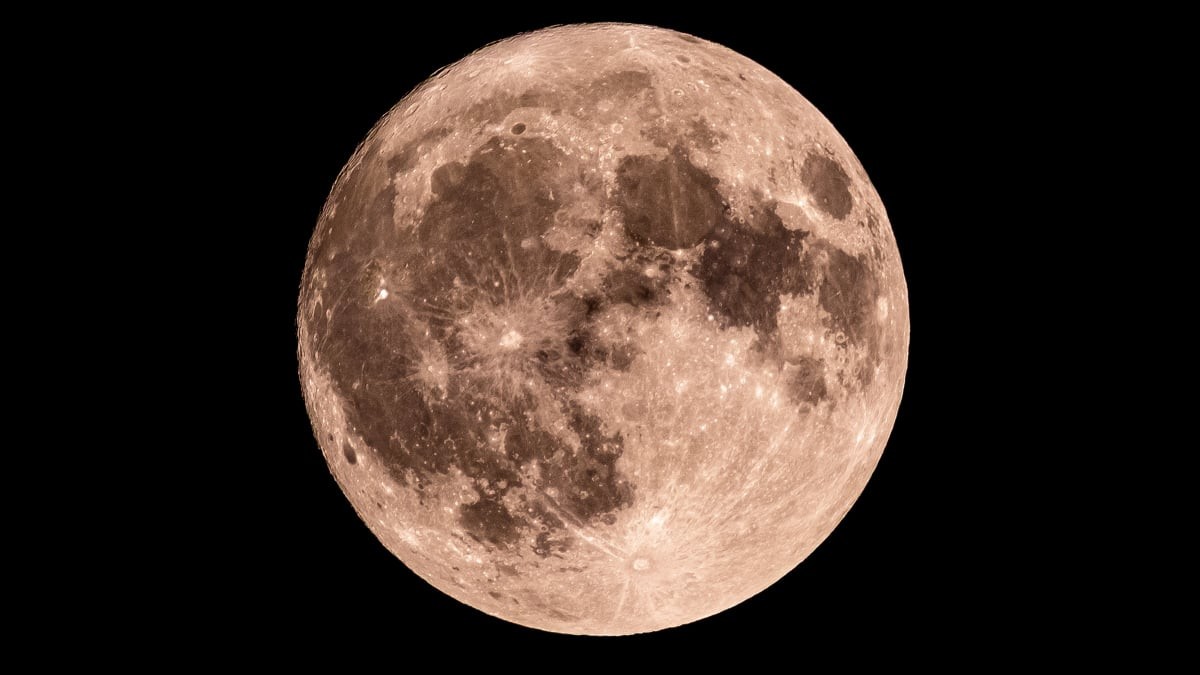
A total lunar eclipse, also known as a “Blood Moon” due to the reddish hue it takes on, will occur during the Full Moon phase on March 3, 2026. This celestial event will be visible to observers in North America, parts of Asia, Australia, and the Pacific region. Even without the eclipse, the Moon will appear exceptionally bright and detailed.
What to Expect Tonight
Tonight’s Full Moon will be 100% illuminated, according to NASA’s Daily Moon Guide. Whether or not you witness the eclipse, several prominent features will be visible.
- Naked Eye: The Aristarchus Plateau, Mare Imbrium, and Mare Serenitatis will be easily discernible.
- Binoculars: Mare Nectaris, the Alps Mountains, and the Clavius Crater will come into view.
- Telescope: For those with telescopes, the Linne Crater, Rupes Altai, and Rima Hyginus offer further detail.
When to See the Next Full Moon
The next Full Moon visible in North America is predicted for April 1, 2026.
Understanding Moon Phases
The Moon orbits Earth in approximately 29.5 days, cycling through eight distinct phases. Although we always see the same side of the Moon, the amount of sunlight reflected changes throughout the orbit, creating the phases we observe. These phases include:
- New Moon: The Moon is positioned between Earth and the Sun, making it dark and invisible.
- Waxing Crescent: A small sliver of light appears on the right side (in the Northern Hemisphere).
- First Quarter: Half of the Moon is illuminated on the right side.
- Waxing Gibbous: More than half of the Moon is lit, approaching fullness.
- Full Moon: The entire face of the Moon is visible, fully illuminated.
- Waning Gibbous: The Moon begins to lose light on the right side.
- Third Quarter (Last Quarter): Half of the Moon is illuminated on the left side.
- Waning Crescent: A thin sliver of light remains on the left side before fading into darkness.
The upcoming lunar eclipse provides a rare opportunity to observe a dramatic shift in the Moon’s appearance. The “Blood Moon” phenomenon, caused by sunlight refracting through Earth’s atmosphere, is a spectacle worth watching for anyone with a clear view of the night sky.