




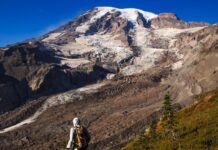
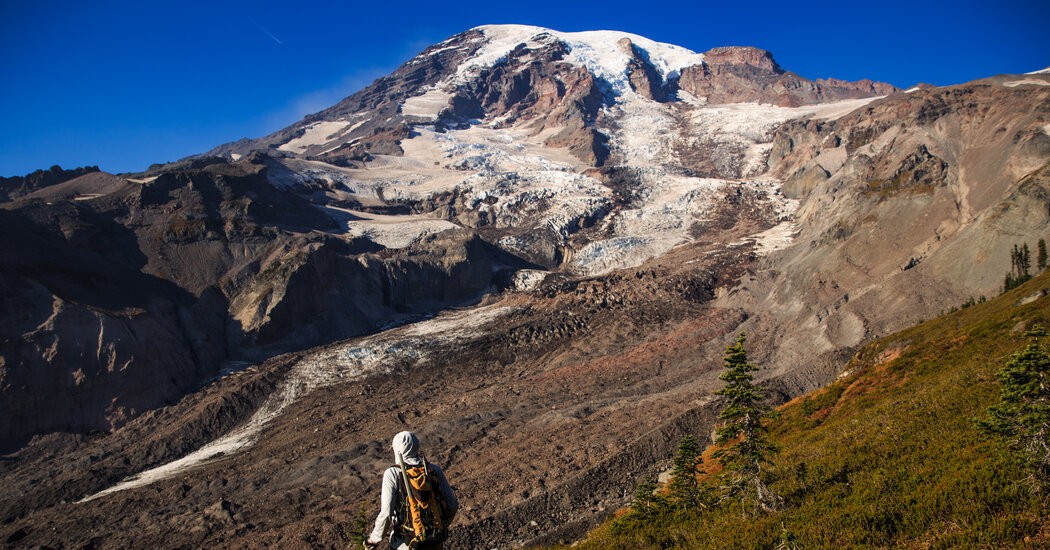
The most significant danger posed by Washington’s Mount Rainier isn’t volcanic eruption itself, but the lahars – incredibly dense, concrete-like mudflows that can travel for 60 miles. These mixtures of volcanic debris, water, and rock have surged down the mountain’s steep slopes at least nine times in the last few thousand years.
The Electron Mudflow: A Historical Catastrophe
The largest lahar in the last millennium, known as the Electron Mudflow, buried landscapes in up to 20 feet of mud near the town of Electron. Scientists have long sought an exact date for this event, as timing it could help predict future outbursts.
Previous estimates placed the Electron Mudflow around 500 years ago, but with a margin of error of up to two centuries. This uncertainty hindered efforts to correlate it with other geological or historical events.
Tree Rings Reveal the Truth
A new study published in Geology suggests a precise dating of the Electron Mudflow is now possible. Geoscientists analyzed trees buried by the lahar, using dendrochronology – the study of tree rings.
Trees killed by a lahar retain their final growth rings, recording the exact year or even season of the event. According to Bryan Black, a tree ring scientist at the University of Arizona, “Trees don’t survive long” under such conditions.
The Reach of Destruction
The Electron Mudflow extended up to 35 miles from the mountain, reaching present-day Orting. The study confirms that this catastrophic event wasn’t just a distant geological memory; it’s a recurring hazard for communities in the Puyallup River valley.
Understanding the timing of past lahars is critical for modern risk assessment. By pinpointing when these events occur, scientists can better anticipate future mudflows and improve disaster preparedness for the millions who live in the shadow of Mount Rainier.