


Recent research suggests the human brain may contain previously unknown microscopic vessels dedicated to clearing metabolic waste, a discovery with potentially groundbreaking implications for treating Alzheimer’s and other neurodegenerative diseases.
The Glymphatic System and Brain Waste Removal
The brain relies on the glymphatic system – a network of channels surrounding blood vessels – to flush out waste products. This system connects to the lymphatic system, the body’s main drainage and filtration network. While lymphatic vessels have been observed in the brain’s outer layers, evidence of vessels within the brain itself has been elusive… until now.
Accidental Discovery of Nanoscale Lymphatic-Like Vessels (NLVs)
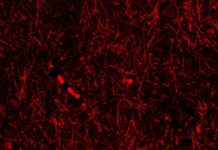
Researchers at Harvard University, led by Chongzhao Ran, stumbled upon these structures while studying beta-amyloid protein in mice with Alzheimer’s-like symptoms. Beta-amyloid, while essential for neuron function, can accumulate into toxic clumps linked to Alzheimer’s if drainage is impaired. The team identified dozens of tube-like formations in multiple brain regions, including areas responsible for thinking, memory, and sleep regulation.
These newly discovered structures, dubbed nanoscale lymphatic-like vessels (NLVs), appear to wrap around existing blood vessels and connect to the glymphatic system, suggesting they facilitate waste removal. Remarkably, the team also found them in human brain tissue, both from individuals with and without Alzheimer’s.
Debate Over Vessel Identity
The findings have sparked debate within the neuroscience community. While Ran describes the discovery as the “dream of a scientist”, other experts remain cautious. Per Kristian Eide at Oslo University notes that if confirmed, this would be a “paradigm shift” in understanding neurodegenerative diseases. However, Eide also points out that the weak staining of lymphatic markers on NLVs raises questions about their true nature. Christopher Brown at the University of Southampton suggests the structures could be imaging artifacts or misinterpreted axons, long neuron projections that resemble vessels under certain conditions.
Next Steps and Potential Impact
The research team plans to conduct further validation using electron microscopy, a more reliable imaging technique. If confirmed, the discovery could lead to new drugs that enhance brain waste disposal, potentially treating Alzheimer’s, Parkinson’s, and other diseases linked to misfolded proteins.
“The implications are enormous,” says Ran. “This could be the key to unlocking new therapies for some of the most devastating diseases of our time.”
The study underscores the brain’s inherent complexity and highlights the potential for unexpected discoveries even in well-studied areas of neuroscience. Further research is crucial to determine the true function of these NLVs and whether they represent a viable therapeutic target.