
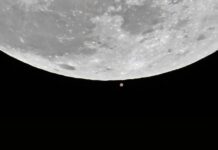


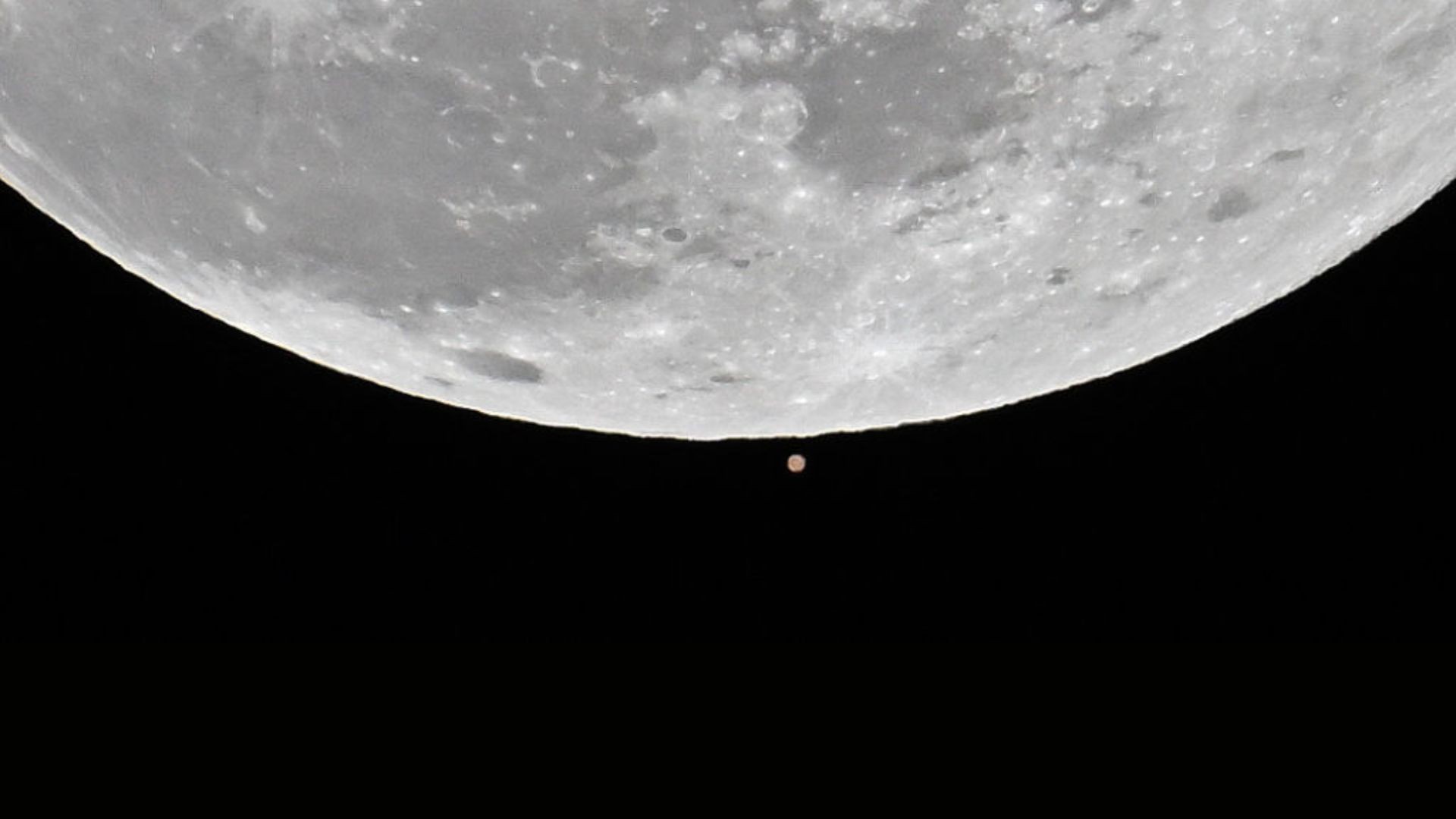
This weekend, stargazers across eastern North America have a chance to witness a striking celestial event: the full “Snow Moon” will pass in front of Regulus, one of the brightest stars visible to the naked eye. This phenomenon, called a lunar occultation, will cause the star to temporarily vanish behind the moon before reappearing an hour later.
What is a Lunar Occultation?
A lunar occultation occurs when the moon passes between an observer and a distant celestial object, such as a star or planet, blocking it from view. This particular event is notable because it’s easily visible without equipment, though binoculars or a telescope can enhance the experience. While occultations happen regularly, this is the first of a series that is clearly visible from North America.
When and Where to Watch
The best viewing locations are in the eastern half of North America—from the Midwest to the East Coast, including eastern Canada—a few hours after sunset on Monday, February 2nd.
- New York City: Regulus will disappear at 8:51 p.m. EST and reappear at 9:54 p.m. EST.
- Toronto & Boston: The event will occur between 8:40 and 10:05 p.m. EST.
The farther west you are, the earlier the occultation will occur, but it will not be visible from the western half of North America. Observers in northwest and west Africa also have a prime view.
How to Observe
The key moments—ingress (when Regulus disappears) and egress (when it reappears)—are most impactful with magnification. The star will appear to sit alongside the bright edge of the moon before being engulfed and then reemerging on the other side.
The next major occultation, of Venus on June 17th, will occur during daylight hours in North America, making this weekend’s event a rare treat for those who can observe it. Don’t miss the chance to see the Snow Moon briefly “swallow” one of the night sky’s brightest stars.