



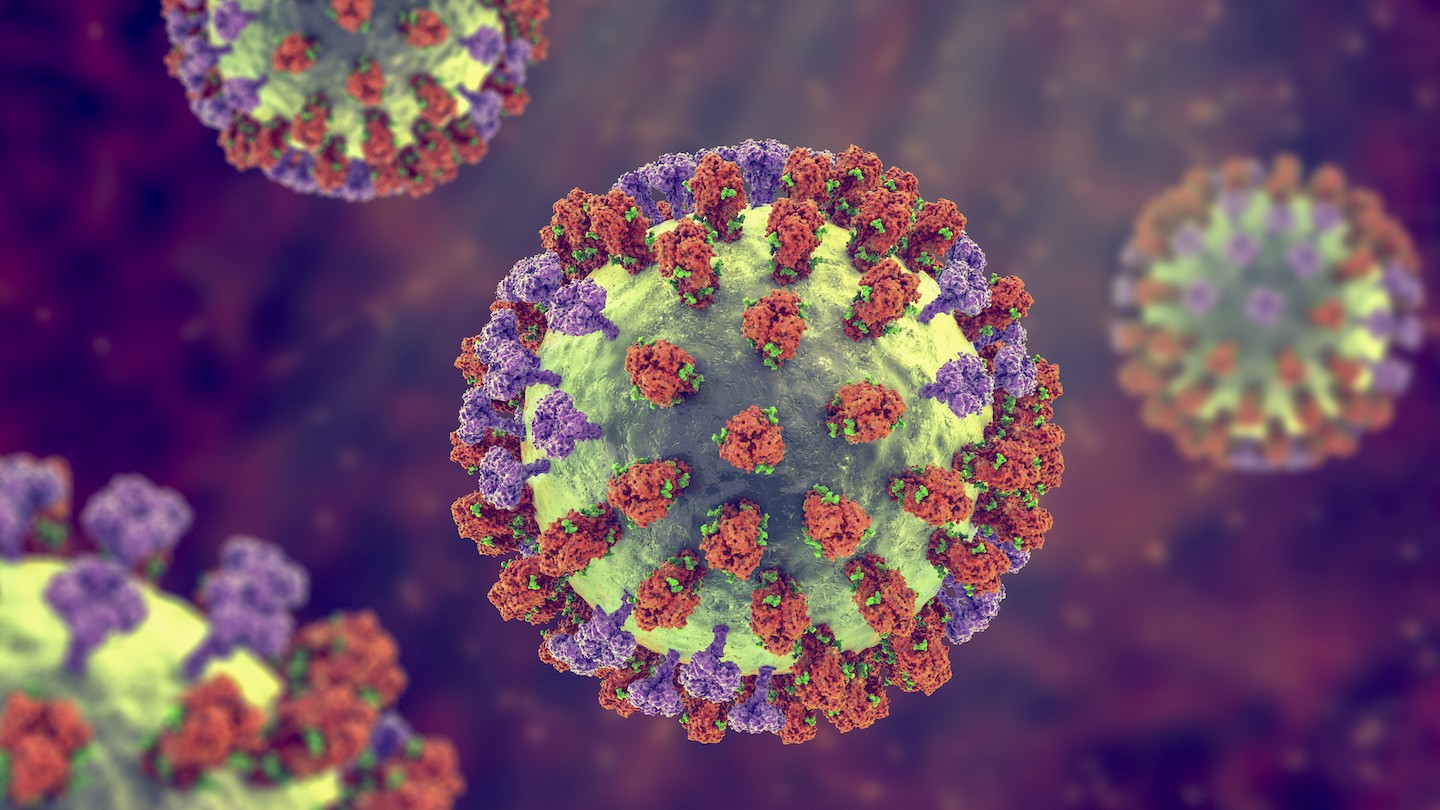
Viruses, bacteria, and the processes that govern life are fundamental to understanding health and disease. This guide clarifies essential terms to help you navigate the complex world of biology, from the smallest structures to global pandemics.
What Are Viruses?
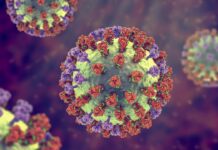
Viruses are infectious particles containing either RNA or DNA enclosed in a protein shell. They cannot reproduce on their own; instead, they hijack the cells of living organisms to replicate. Notably, many scientists debate whether viruses are truly “alive” because they lack independent metabolic processes – they don’t eat or create their own food like plants or animals do.
Key Biological Concepts
Several terms are critical for understanding how viruses and other biological entities function:
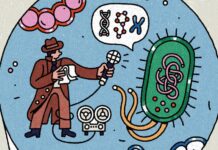
- Bacteria: Single-celled organisms found everywhere on Earth. They are one of the three main domains of life, along with archaea and eukaryotes.
- Cell: The basic unit of life. Animals consist of trillions of cells, while some organisms (like yeasts) are single-celled.
- DNA (Deoxyribonucleic Acid): The genetic blueprint found in living cells, carrying instructions for cellular function.
- RNA: A molecule that helps translate DNA into proteins, essential for cellular processes.
- Protein: Compounds built from amino acids that form the basis of living cells, tissues, and perform vital functions within organisms.
Common Infections and Diseases
Understanding specific diseases provides context for why these biological terms matter:
- COVID-19: The pandemic disease caused by the SARS-CoV-2 virus, emerging in 2019 with symptoms including fever, respiratory issues, and neurological effects.
- Flu (Influenza): A highly contagious viral infection of the respiratory system, causing fever and aching.
- Measles: A contagious disease that causes rash, headaches, and can lead to severe complications like pneumonia or brain damage. Vaccines have dramatically reduced its risk since the 1960s.
- Polio: A viral disease that attacks the nervous system, sometimes causing paralysis.
- Dengue: A mosquito-borne viral disease with severe fever, joint pain, and potentially fatal complications.
Antibiotics vs. Antivirals
It’s crucial to distinguish between antibiotics and antiviral treatments. Antibiotics kill bacteria but are ineffective against viruses. Viruses require different treatments, such as vaccines, which prepare the body to fight off infection, or antiviral medications that can slow viral replication.
The Role of Immunity
The body’s ability to defend against diseases relies on immunity, which can be naturally acquired or stimulated through vaccinations. Vaccines introduce a weakened or inactive disease-causing agent to trigger an immune response, building protection without causing illness.
Why This Matters
The rapid spread of viral infections like COVID-19, dengue, and seasonal influenza highlights the importance of understanding basic biological concepts. Accurate terminology is vital for public health communication, medical research, and informed decision-making. Ignoring the distinctions between viruses, bacteria, and the mechanisms of infection can lead to ineffective treatments and increased health risks.
Understanding these terms is not just for scientists or medical professionals; it’s essential for anyone who wants to make informed decisions about their health and the health of their communities.