




SpaceX has resumed launching its Starlink satellites, successfully deploying 25 new units into orbit on Saturday, February 7, from Vandenberg Space Force Base in California. This launch occurred just five days after a minor anomaly grounded the previous mission, demonstrating the company’s swift response and operational resilience.
Rapid Recovery From Anomaly
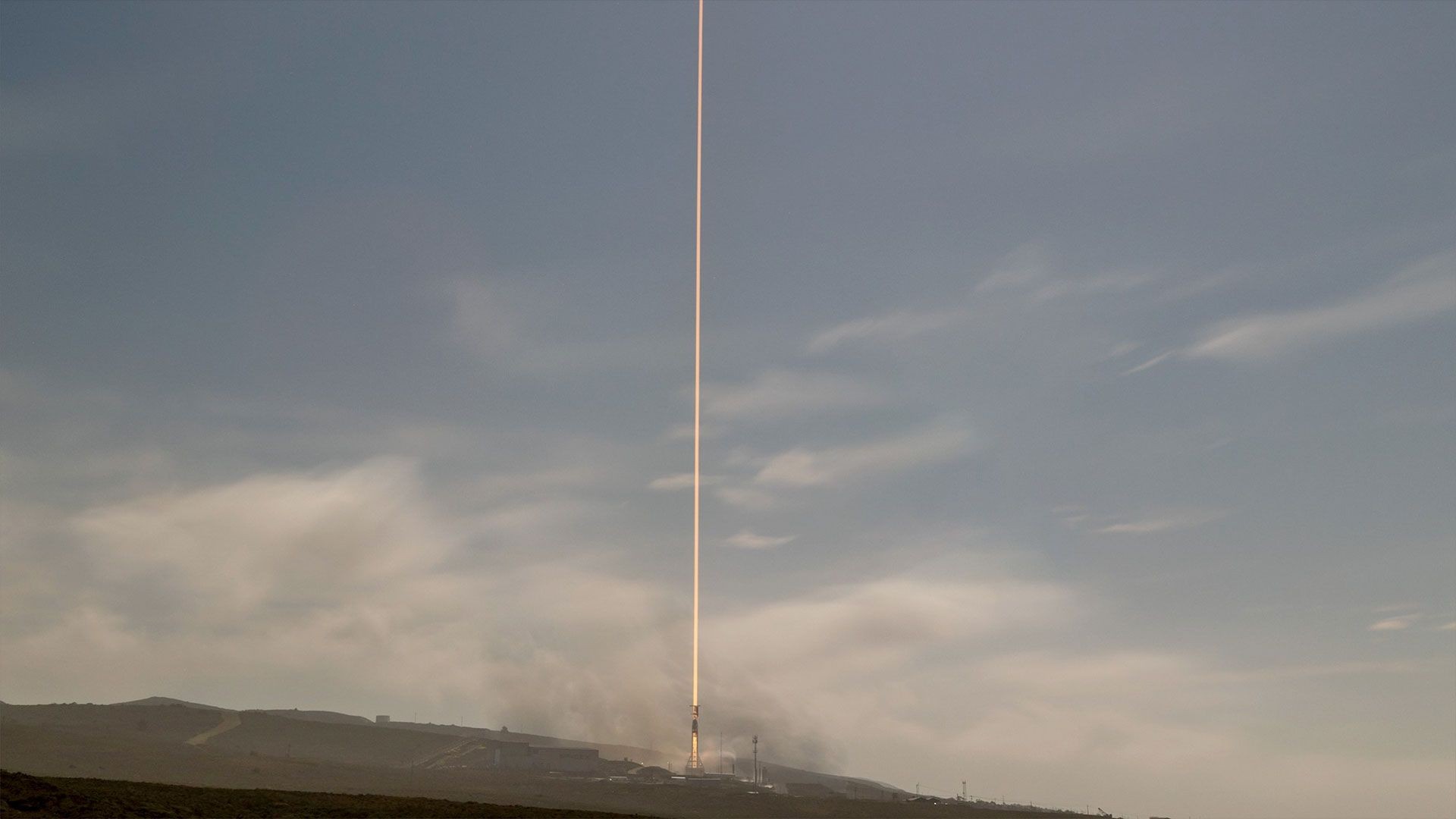
The Falcon 9 rocket lifted off at 3:58 p.m. EST (2058 GMT), carrying the latest batch of Starlink satellites (Group 17-33). SpaceX confirmed successful deployment roughly an hour later. The first stage booster, making its 13th flight, landed on the drone ship “Of Course I Still Love You” in the Pacific Ocean, ensuring reusability and cost-efficiency.
Incident Details and FAA Clearance
The previous launch on February 2 experienced an issue with the second stage failing to re-ignite for a controlled deorbit burn. SpaceX identified the cause as a gas bubble in a fuel transfer line. The stage was subsequently passivated, meaning it was rendered harmless before re-entering Earth’s atmosphere over the Southern Indian Ocean.
SpaceX promptly reported the incident to the Federal Aviation Administration (FAA). After reviewing the corrective actions taken by SpaceX, the FAA granted clearance for Saturday’s launch, underscoring a streamlined regulatory process.
Starlink Constellation Growth
With this latest deployment, the Starlink network now exceeds 9,600 active satellites in low Earth orbit. This makes it the largest satellite constellation ever launched, providing high-speed internet access to remote regions and competing with traditional broadband providers.
Launch Frequency and Implications
Saturday’s mission marked SpaceX’s 15th launch this year, showcasing the company’s aggressive pace of operations. This frequency is key to maintaining and expanding the Starlink network, which is essential for future global connectivity.
SpaceX’s ability to rapidly address and resolve technical issues, while maintaining a high launch cadence, is a testament to its engineering prowess and operational agility. The company continues to push the boundaries of space technology, reshaping how the world accesses the internet.