


Researchers have discovered 5,000-year-old bacteria frozen in a Romanian ice cave that could be a key to combating antibiotic-resistant “superbugs”—but the same ancient resilience also presents a new threat. The study, led by the Institute of Biology Bucharest (IBB), highlights the complex relationship between microbial evolution, antibiotic resistance, and the potential for both breakthroughs and setbacks in modern medicine.
The Problem with Superbugs
Antibiotic resistance is a growing crisis. Bacteria evolve rapidly to neutralize drugs, rendering treatments ineffective. This isn’t a new phenomenon; it’s an age-old survival strategy playing out on a global scale. However, the pace of resistance development has accelerated in recent decades due to overuse of antibiotics in medicine and agriculture, creating a critical need for new solutions.
What Was Found?
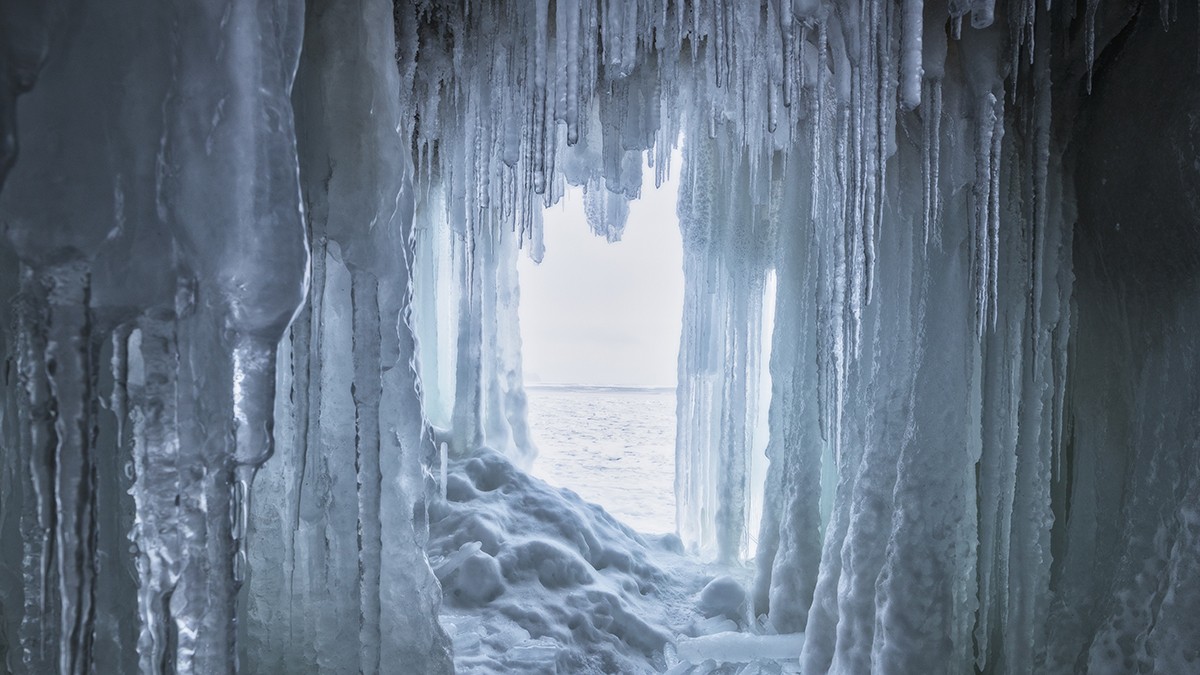
A team extracted a 25-meter ice core from the Scărișoara Ice Cave, an extreme environment known to preserve unique microbial life. Within the ice, they isolated a strain of Psychrobacter SC65A.3. This bacterium, despite being millennia old, exhibits resistance to multiple modern antibiotics and carries over 100 genes linked to drug resistance.
However, it also demonstrated the ability to inhibit the growth of several antibiotic-resistant superbugs, suggesting a potential for new antimicrobial compounds. The bacterium produces enzymes with valuable biotechnological applications that could be harnessed for medical advancements.
The Double-Edged Sword
The ancient bacterium’s genetic makeup presents a dilemma. While it could serve as a blueprint for novel antibiotics, its resistance genes could also spread to contemporary bacteria, worsening the antibiotic resistance crisis if released into the environment. The research underscores the need for caution: unlocking the benefits of ancient microbes requires preventing their uncontrolled resurgence.
The Climate Change Factor
The study’s implications are particularly urgent given climate change. Melting glaciers and permafrost are releasing vast quantities of dormant microbes —including those carrying antibiotic resistance genes—into ecosystems unprepared for them. This creates a race against time to understand and utilize these ancient organisms before they contribute to further antimicrobial resistance.
The researchers call for more research to map the diversity of cold-adapted microbes, study their survival mechanisms, and explore their potential in biotechnology.
“Frozen environments act as reservoirs of resistance genes,” says IBB microbiologist Cristina Purcarea. “If melting ice releases these microbes, these genes could spread to modern bacteria, adding to the global challenge of antibiotic resistance.”
This discovery serves as a stark reminder that solutions to modern health challenges may lie in the deep past—but unlocking them requires careful consideration and responsible scientific exploration.