

The European Space Agency’s (ESA) Biomass satellite has captured its first detailed images of Earth’s carbon stores, offering a unique perspective on biomass distribution across the planet. This marks a significant step forward in monitoring global carbon cycles, deforestation, and climate change impacts.
Unique Radar Technology for Biomass Mapping
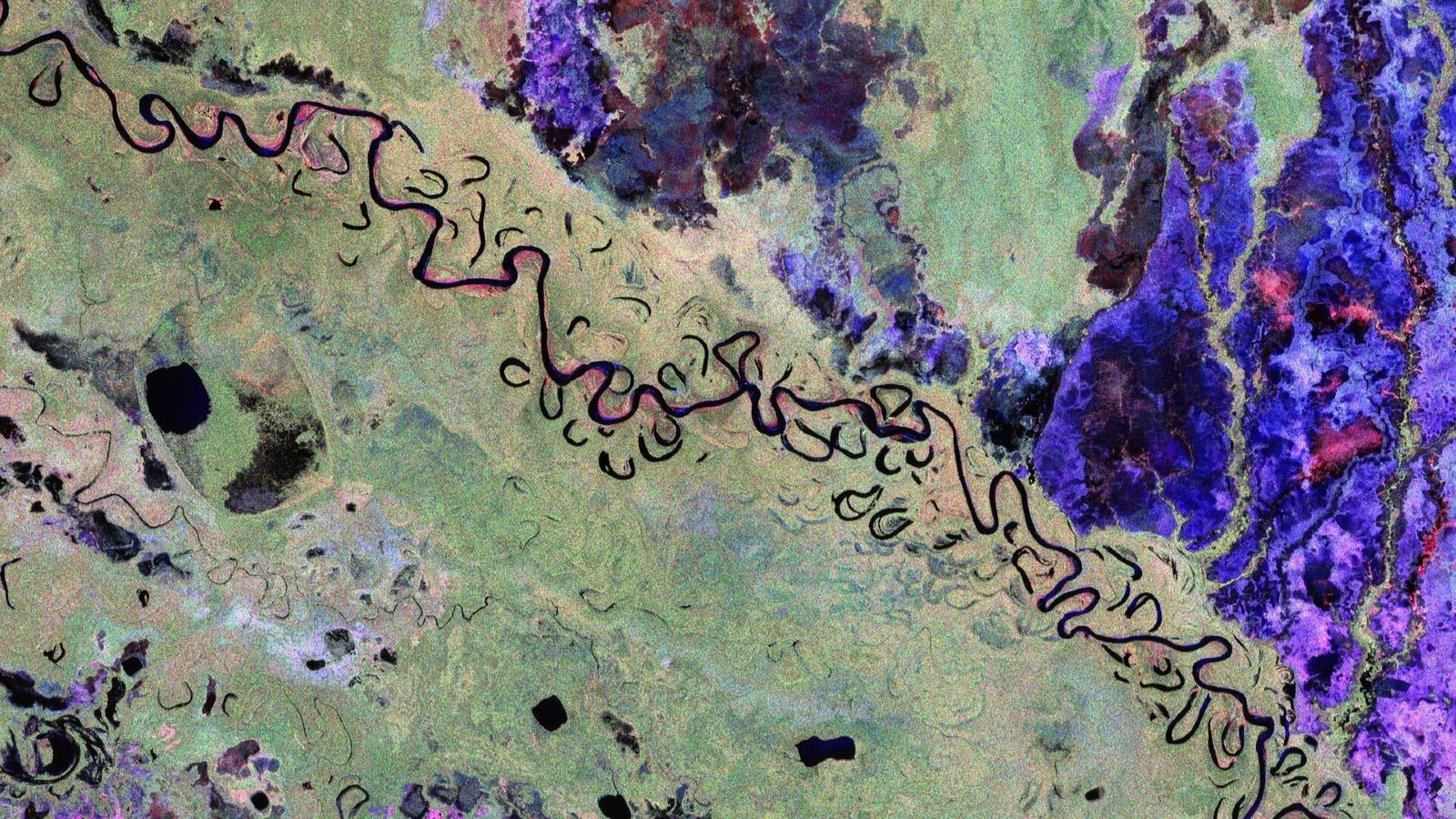
Launched in April 2025, the Biomass satellite utilizes polarized radar to detect subtle differences in biomass. Unlike conventional satellite imagery where forests, grasslands, and wetlands blend together, this technology differentiates between these ecosystems, providing a clearer picture of carbon-rich areas.
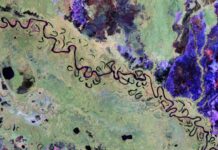
The first detailed image showcases a 90-kilometer stretch of the Beni River in Bolivia. Rainforests appear green, grasslands purple, and wetlands reddish, while water bodies are depicted in black. This is not merely an aesthetic difference; it means scientists can now track changes in these environments with greater accuracy.
Why Biomass Mapping Matters
The ability to map biomass accurately is crucial for understanding how carbon storage is changing due to deforestation, climate change, and other human pressures. Bolivia, for example, is heavily affected by deforestation, yet quantifying this loss accurately has been historically difficult with standard satellite imagery. Biomass’s radar technology solves this problem.
“The mission’s first images are nothing short of spectacular…only a glimpse of what is still to come,” said Michael Fehringer, ESA scientist and Biomass project manager.
Global Coverage and Data Accessibility
The satellite will scan Earth’s forests every six months, providing continuous monitoring of carbon stocks. Beyond forests, Biomass will also assess ice masses, an important secondary goal given the accelerating rate of glacial melt.
On January 26th, ESA announced it would open the satellite’s dataset to the public, encouraging wider research collaboration. Simonetta Cheli, ESA’s director of Earth observation programs, emphasized that this will “unlock vital insights into carbon storage, climate change, and the health of our planet’s precious forest ecosystems.”
The Biomass satellite represents a new era in Earth observation. By providing detailed, accurate biomass mapping, it will play a critical role in monitoring our planet’s health and guiding climate action strategies.