

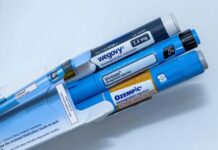

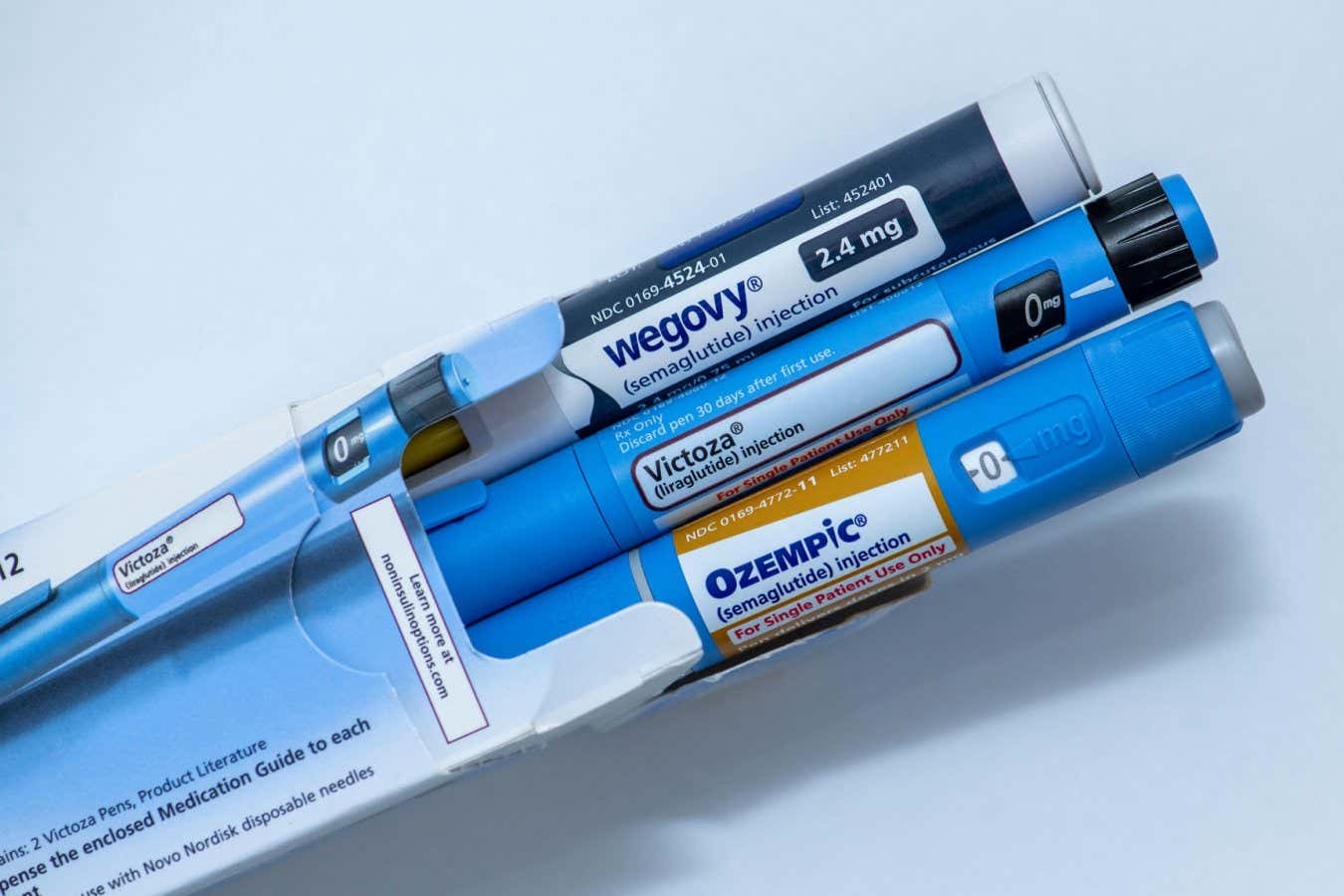
The rising cost of breakthrough weight-loss medications like semaglutide has limited access for billions worldwide, despite their potential to combat the global obesity epidemic. However, significant shifts are expected in 2026 that could make these treatments more affordable and accessible.
Supply Catching Up to Demand
For years, production struggled to meet the surging demand for medications such as semaglutide (marketed as Wegovy and Ozempic). By late 2024, manufacturers largely resolved these bottlenecks. Still, the high price—typically several thousand dollars annually—remains a barrier for most of the world’s 1 billion+ people with obesity. Currently, only 3% of eligible Americans and less than 1% elsewhere use these drugs, according to Morgan Stanley.
Pill-Form Breakthrough: Orforglipron
A key change on the horizon is the anticipated approval of orforglipron in several countries. Like semaglutide, it mimics the GLP-1 hormone to suppress appetite. The critical difference is its structure: orforglipron is a small molecule that can be absorbed through the gut, allowing for pill-based delivery.
Why this matters: Pills are cheaper to produce, easier to distribute, and more convenient than injections, expanding treatment access. Semaglutide, being a large-molecule protein, requires complex and costly manufacturing, often involving injections in specialized pens.
Novo Nordisk is also pursuing approval for a pill form of semaglutide (Rybelsus) for weight loss, but it requires strict timing (8 hours after eating, no food/drink for 30 minutes) due to its unique formulation with salcaprozate sodium, which aids absorption. Orforglipron bypasses these constraints.
Increased Competition and Generics
Lilly, the manufacturer of orforglipron, has signaled intentions to price it lower than existing GLP-1 drugs. This is partly because the drug can be manufactured more cheaply, but also due to anticipated competition. More GLP-1 options will force pharmaceutical companies to compete on price.
Furthermore, semaglutide patents will expire in major markets, including China, India, Brazil, Canada, and Turkey—covering a large segment of the global population. This will allow generic drug manufacturers to enter the market.
The impact of generics: Patent expiration typically leads to price reductions of up to 90%, making these drugs affordable for many more people.
Efficacy and Holistic Approach
While orforglipron is expected to be cheaper, early data suggests it may be slightly less effective than semaglutide. Clinical trials show around 10% weight loss after 72 weeks with the highest dose of orforglipron, compared to roughly 14% with semaglutide. Definitive comparisons require head-to-head trials.
The World Health Organization (WHO) emphasizes that medication alone isn’t enough. Behavioral counseling and lifestyle changes are crucial for maximizing benefits and ensuring long-term success in combating obesity.
“Medication alone cannot solve the global obesity burden,” states Francesca Celletti at the WHO, highlighting the need for comprehensive strategies.
These developments signal a pivotal shift toward more affordable and accessible weight-loss treatments. By 2026, competition and generics should significantly lower costs, potentially unlocking treatment for millions more people.