




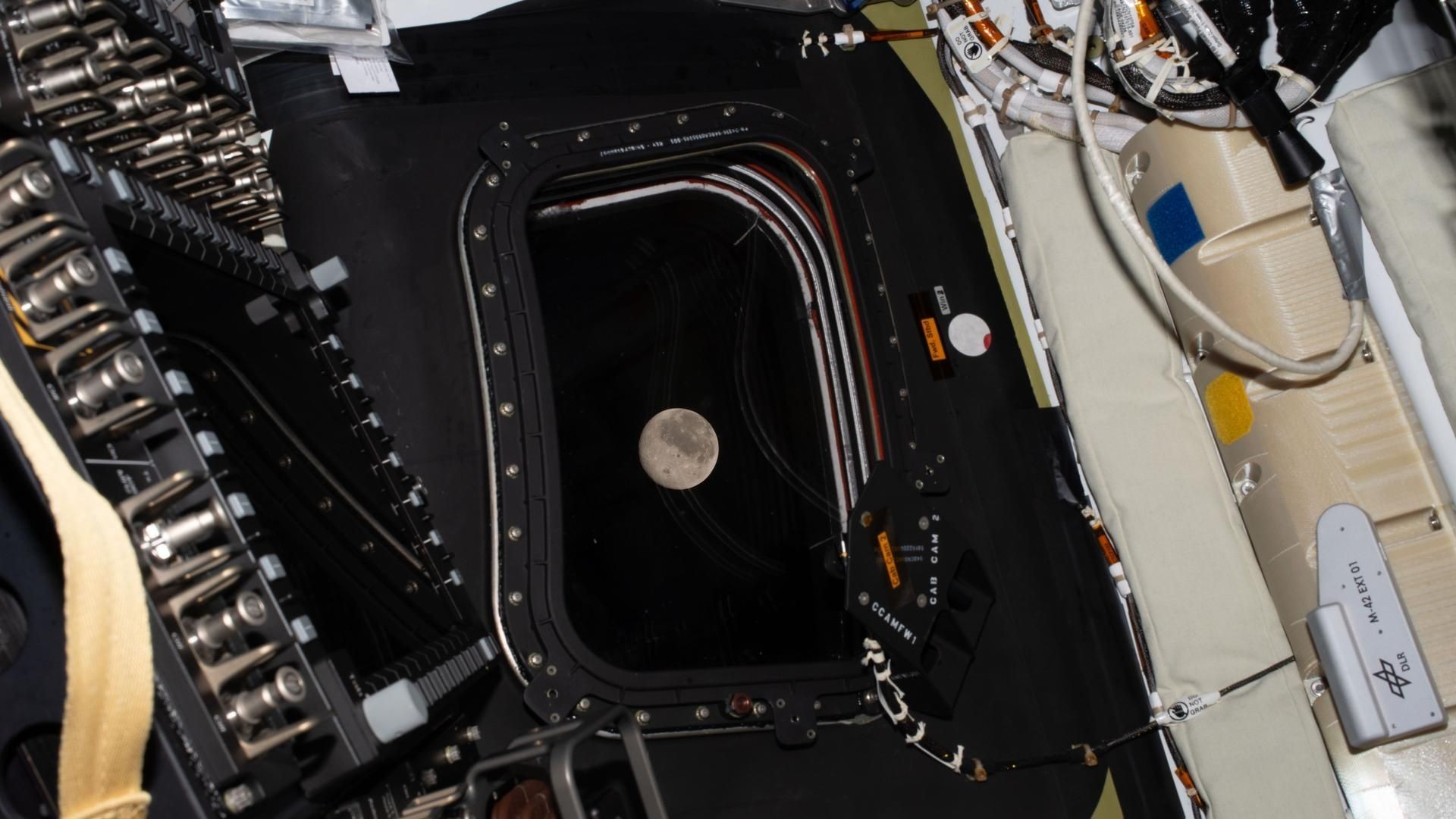
On April 1, 2026, humanity began a journey half a century in the making. A crew of four astronauts—Christina Koch, Reid Wiseman, Victor Glover, and Jeremy Hansen —launched from Earth in a sophisticated Orion capsule, marking the first time humans have ventured toward the Moon since the Apollo era ended in 1972.
While the mission was a flyby rather than a landing, its significance extends far beyond the spectacle of a rocket launch. Artemis 2 is not just a repeat of history; it is a high-tech bridge to a future where humans live and work on another world.
A Milestone for Diversity and Technology
The Artemis 2 crew represents a profound shift in who goes to space. For the first time in history, the mission includes a woman, a person of color, and a non-American citizen. This inclusivity mirrors a changing Earth, even as the mission utilizes technology that would have seemed like science fiction to the Apollo astronauts.
The differences between the 1960s and today are stark:
– Real-time Connectivity: Unlike the isolated broadcasts of the Apollo years, the Artemis mission is being streamed globally via YouTube and social media, allowing billions to witness the journey in real-time.
– Advanced Science: The crew is conducting sophisticated experiments, such as “organ-on-a-chip” technology, to study human biology in deep space.
– Enhanced Living: From personal tablets for photography to vastly improved (though occasionally temperamental) life-support systems, the Orion spacecraft is a far cry from the minimalist modules of the 1970s.
The Scientific Goldmine: Why Humans Matter
For planetary scientists, the return to the Moon is a long-awaited turning point. While robotic orbiters have provided immense amounts of data, they lack the nuance of human presence.
“Having humans return with modern instruments means access to a goldmine of data that robotic missions simply cannot match,” says planetary scientist Dimitria Atri.
The primary advantage of a crewed mission is real-time decision-making. Humans can observe an unexpected geological formation, decide to pivot, and collect a specific sample on the spot—a feat impossible for a pre-programmed rover. This capability is vital for exploring areas like the South Pole-Aitken Basin, a massive impact crater that could hold the secrets to how rocky planets form and evolve.
From “Flags and Footprints” to Permanent Bases
The Apollo missions were characterized by a “flags and footprints” philosophy—visit, plant a flag, and leave. The Artemis program, however, is designed for permanence.
NASA’s long-term goal is to establish lunar outposts and scientific centers. These bases will serve several critical functions:
1. Resource Exploitation: Learning to utilize lunar ice and minerals for energy and life support.
2. Scientific Observation: Using the Moon’s “radio-quiet” far side to host massive radio telescope arrays, free from Earth’s electronic interference.
3. A Gateway to Mars: Using the Moon as a “cosmic layover” to test the technologies required for much longer journeys to the Red Planet.
The Rise of the Commercial Space Economy
A defining feature of the modern space age is the involvement of the private sector. Unlike the government-exclusive Apollo era, Artemis is supported by a burgeoning commercial ecosystem.
Through programs like Commercial Lunar Payload Services (CLPS), NASA is partnering with private companies to lower costs and increase efficiency. Upcoming missions, such as Artemis 3, will utilize lunar landers developed by private entities like SpaceX and Blue Origin. This shift transforms space exploration from a purely national endeavor into a collaborative, multi-industry frontier.
Conclusion
Artemis 2 is more than a flight around the Moon; it is a vital test of human endurance and technological capability. By bridging the gap between the historic achievements of Apollo and the ambitious goals of deep-space habitation, this mission sets the stage for humanity to become a multi-planetary species.