




The current global reliance on fossil fuels isn’t just an environmental crisis; it’s a fundamental driver of geopolitical instability and economic vulnerability. President Trump’s aggressive policies toward Iran, like many conflicts before it, are deeply rooted in the struggle for control over dwindling fossil fuel resources. This situation underscores the urgent need for a swift transition to renewable energy sources – a shift that would eliminate a primary catalyst for international tension and climate catastrophe.
The Geopolitical Cost of Oil
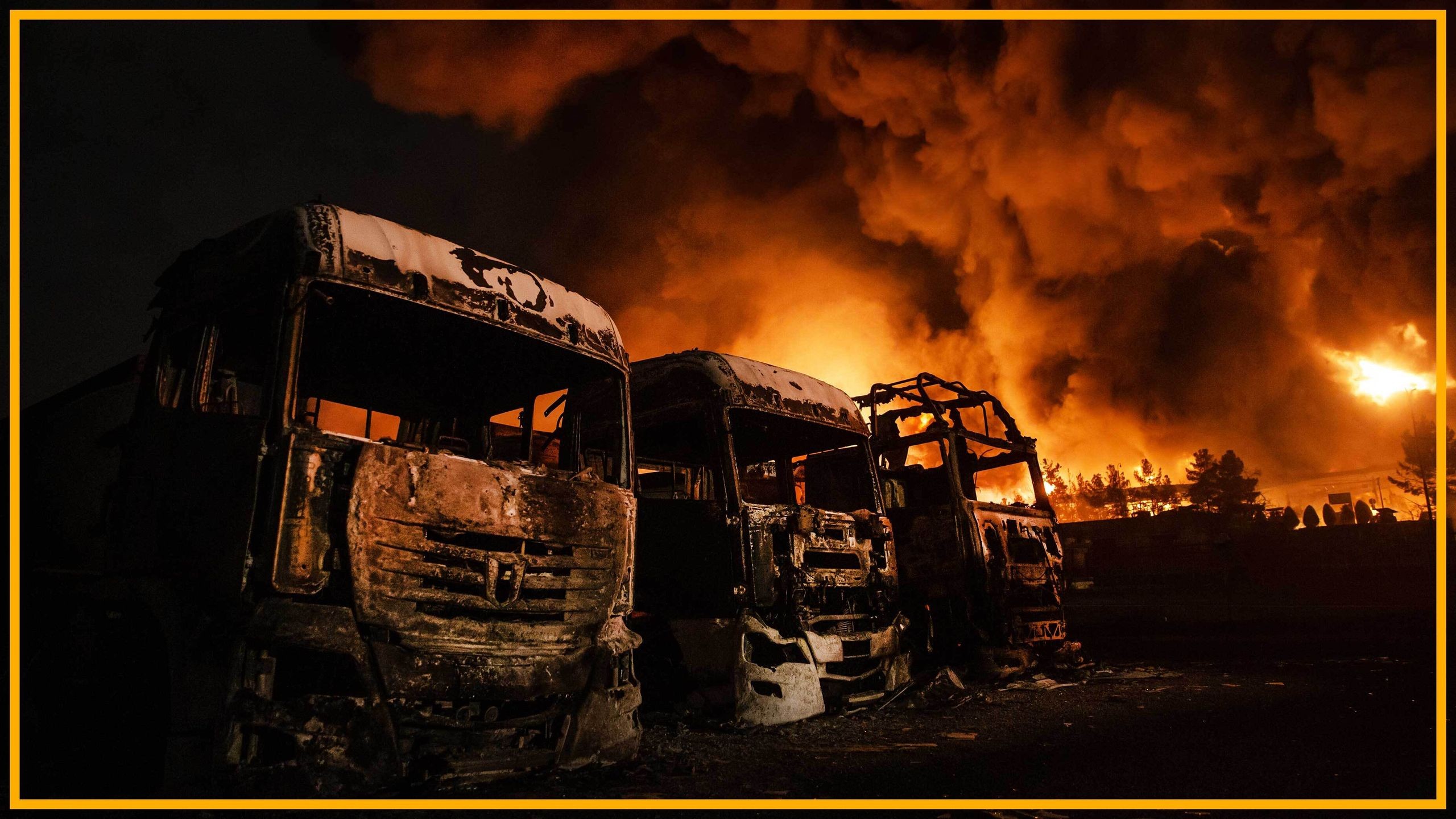
Fossil fuels are inherently tied to conflict. The pursuit of oil and natural gas has historically fueled wars, proxy conflicts, and economic manipulation. Trump’s actions against Iran are a clear example: the U.S. seeks to dominate the flow of energy through the Strait of Hormuz, a critical shipping lane, benefiting petrostates like Saudi Arabia and Russia while undermining Iran’s influence. This isn’t just a regional dispute; it’s a power play that destabilizes the entire Middle East, driving up energy prices and straining global economies.
The U.S. under Trump actively undermines renewable energy development, even to the point of suppressing projects that could achieve energy independence. This dependence on foreign oil keeps the nation vulnerable to geopolitical blackmail and economic shocks, as evidenced by the recent spikes in gasoline prices caused by escalating tensions in the region.
Missed Opportunities: The Pandemic and the “Green Reset”
Past crises have presented opportunities to accelerate the clean energy transition, but these have been squandered. The COVID-19 pandemic, for example, briefly exposed the fragility of the fossil fuel system. Lockdowns caused oil prices to plummet, demonstrating that economies could function—albeit temporarily—without constant fossil fuel demand. Renewables, unlike oil, proved resilient to the economic downturn.
However, vested interests – petrostates, corporations, and political actors – actively suppressed the idea of a “green reset,” spreading disinformation and conspiracy theories to maintain the status quo. This resistance highlights how deeply entrenched the fossil fuel industry is in global power structures.
Renewable Energy as a Solution
Renewable energy sources—wind, solar, geothermal, and energy storage—offer a viable alternative. They are cheaper than fossil fuels on a levelized basis, domestically sourced, and predictable. Unlike oil, which is subject to volatile markets and geopolitical manipulation, renewables provide energy security and long-term cost stability.
Despite this, the Trump administration has actively sabotaged renewable energy projects, even paying companies to halt wind farm development in favor of natural gas infrastructure. This policy not only hinders progress but also drives up energy prices and exacerbates economic hardship.
The Path Forward
Progress is being made at the state level. Virginia, for example, is moving forward with offshore wind farms despite federal obstruction. However, systemic change requires broader political action. The upcoming midterm elections present an opportunity to shift course, electing leaders who prioritize clean energy and sustainable development over fossil fuel interests.
Ultimately, a future free from the dangers of fossil fuel dependence requires a fundamental shift in priorities. We must move toward a clean energy economy, not just for environmental reasons, but for geopolitical stability, economic security, and a livable planet. Continuing down the current path guarantees further conflict, environmental devastation, and economic instability.