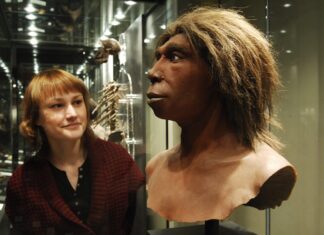



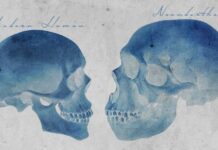
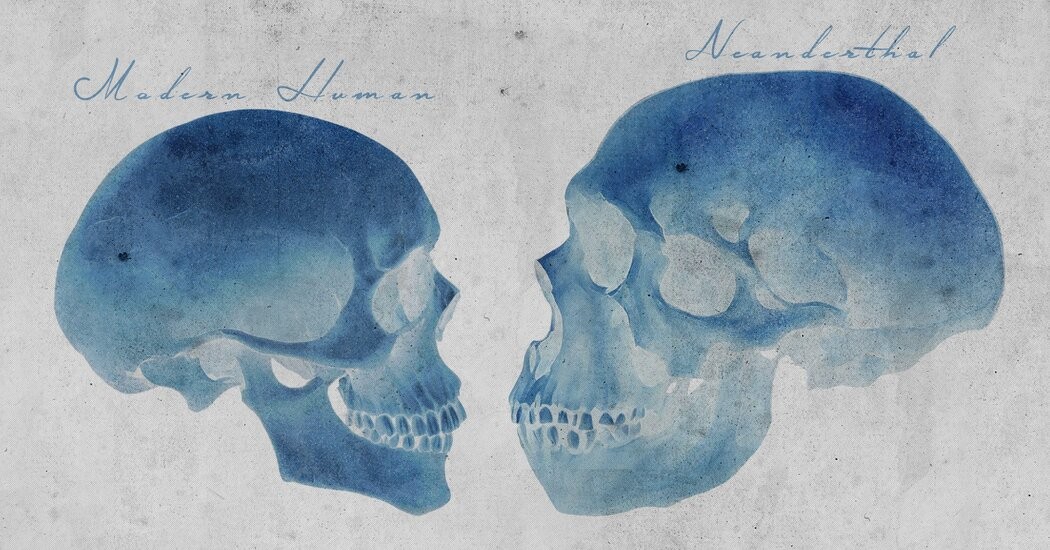
Modern humans and Neanderthals interbred tens of thousands of years ago, leaving traces of Neanderthal DNA in most people today. New research suggests this wasn’t random mating: there was a clear pattern of preference in who slept with whom. A study published in Science shows that men with a high percentage of Neanderthal ancestry were strongly favored by women with primarily modern human DNA – and vice versa.
Why This Matters
This discovery is significant because it sheds light on the social dynamics of early human interactions. For a long time, scientists assumed interbreeding was simply opportunistic, happening whenever the two groups encountered each other. But this new genetic evidence shows that preferences existed, implying a level of social choice in mate selection.
The Evidence
Researchers analyzed genetic data from thousands of people, looking at the correlation between Neanderthal ancestry and reproductive patterns. The study’s lead author, Alexander Platt of the University of Pennsylvania, notes that the observed preference was “strikingly strong,” implying a strong attraction between these groups.
The exact reasons for this preference remain unknown. It’s possible that Neanderthal men had traits modern human women found particularly attractive, such as physical strength or distinct features. Alternatively, mutual attraction could have been at play. The key takeaway is that interbreeding wasn’t just a biological accident; it was influenced by behavioral preferences.
What We Can Learn From This
Paleoanthropologists are excited about these findings because they reveal details about Neanderthal behavior that would never be found in fossil records. DNA analysis is now a powerful tool for reconstructing the intimate lives of our ancestors. As April Nowell of the University of Victoria points out, “We are learning so much in the labs these days about the behavior of Neanderthals… things that just wouldn’t preserve in the archaeological or fossil record.”
In conclusion, the ancient DNA reveals that sexual preferences shaped the interbreeding between modern humans and Neanderthals, adding a new layer of complexity to our understanding of early human history.