
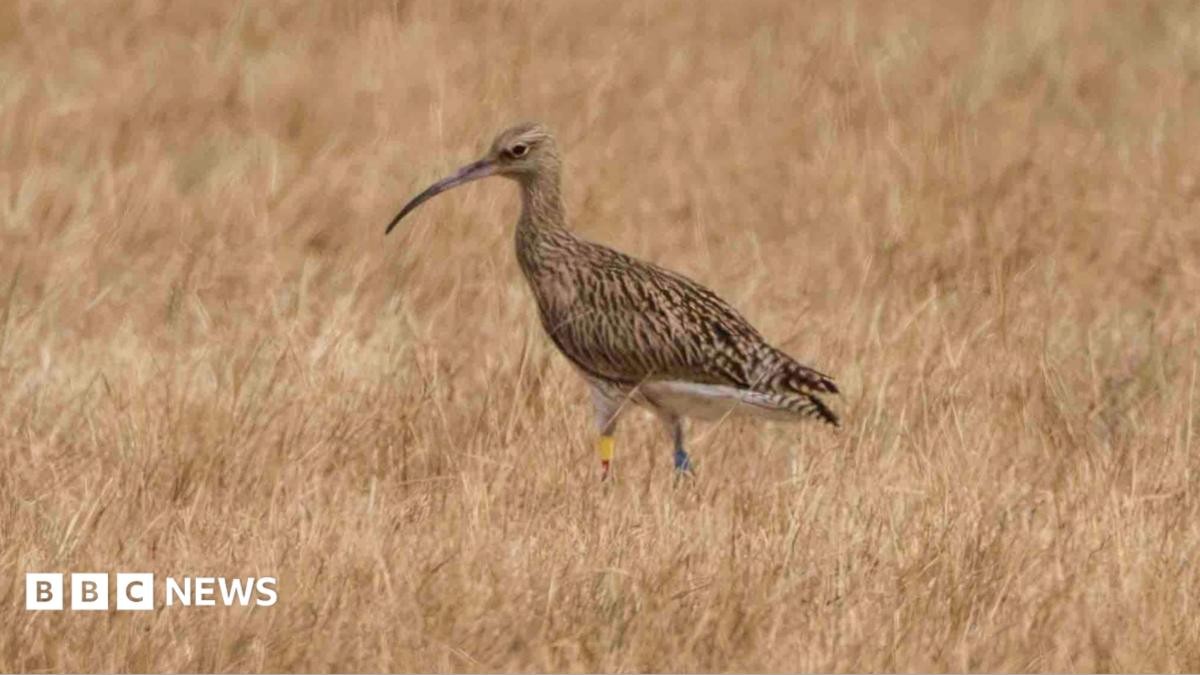
They’re back. Not all of them, obviously, but the ones from the first batch? They stayed. And more importantly, they bred.
At Elmley Nature Reserve in Kent, 33 curlews went out into the wild in 2026. These weren’t just dumped. They were hand-reared in captivity. A deliberate, high-stakes bet to bring this specific, at-risk wading bird back to lowland Britain. Now, estate manager Gareth Fulton calls it “really excitingly” simple: the birds from previous releases have paired up. They returned to the very site of their hatching. They nested.
Why does this matter? Look at the numbers. The British Trust for Ornithology notes a brutal 50% decline in curlew numbers since 1995. We’ve lost half the population in thirty years. That statistic puts the curlew squarely on the red list for conservation concern. It’s not just a pretty bird with a long bill; it’s a species in freefall.
“Once upon a time curlews would have nestled in almost any hay meadow,” curlew keeper Simon Higgs told the BBC.
That time is gone. Farming changed. The landscape shifted. Predators moved in. The old ways didn’t save the curlews from the changing agricultural practices.
Enter the South of England Curlew Recovery Project. Elmley is just one of three licensed sites involved. Natural England gave them the permit to take in eggs and rear them. It’s interventionist. Some might call it artificial. But when the alternative is extinction, artificial is the only card left to play.
Curlew keepers like Simon Higgs know the grim reality of ground-nesting birds in modern Britain. They don’t have a hidden spot. They sit out in the open. And they lose. Increasing predator numbers combined with intensifying farming practices meant the natural cycle was breaking. The project tries to patch the hole.
It works? At least at Elmley. The evidence is on the mudflats. Pairs formed. Nests were found. Eggs were laid.
Is this the total fix? Probably not. You can’t rear enough eggs to replace the natural drop-off across the whole of lowland England overnight. But it’s a start. It proves the birds recognize the safety of the reserve. It shows the method holds water.
We