



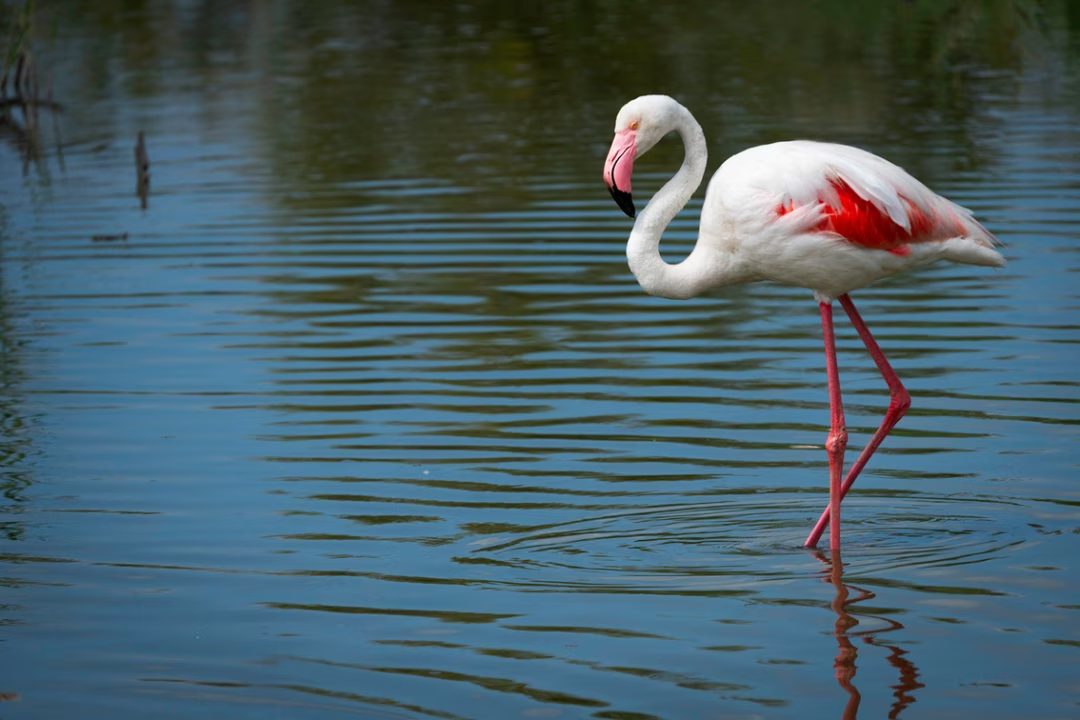
If you live near a lake, swamp, or wetland, you’ll almost certainly notice them. Flamingos stay in these waters because that’s where their food lives. Their diet is mainly based on algae, insect larvae, small crustaceans and molluscs. This menu is the key to their appearance.
Beta-carotene compound
The red and blue-green algae they eat are full of beta-carotene. This organic compound contains a reddish orange pigment. The same substance is found in many plants. Tomatoes, spinach, pumpkins, sweet potatoes and carrots contain it. The molluscs and crustaceans loved by flamingos also contain similar carotenoids. These are also full of pigments.
How the color transfers to the feathers
The process follows a strict logic. The bird’s digestive system extracts the pigment from the food. It dissolves in fats. These fats are stored in the feathers as they grow. The color of the flamingo changes to pink. The bird slowly acquires its characteristic color.
“The digestive system separates fat-soluble pigments and these fats accumulate in new feathers.”
This is not magic. It’s biology doing exactly what it was designed to do. The color does not come from the bird itself. It comes from what it eats. Remove the right foods and the pink fades. Add them back and it will come back.
Why is this important? It shows how deeply an animal’s physical characteristics can relate to its environment. The pink feathers are a direct result of the wetland ecosystem. When you change the food source, you change the bird. Simple cause and effect.
The story doesn’t end with the colors. It raises questions about nutrition, health and survival. What happens if the algae disappear? If the water changes? Pink is only a visible tip in a larger ecological puzzle.

Pink’s geography
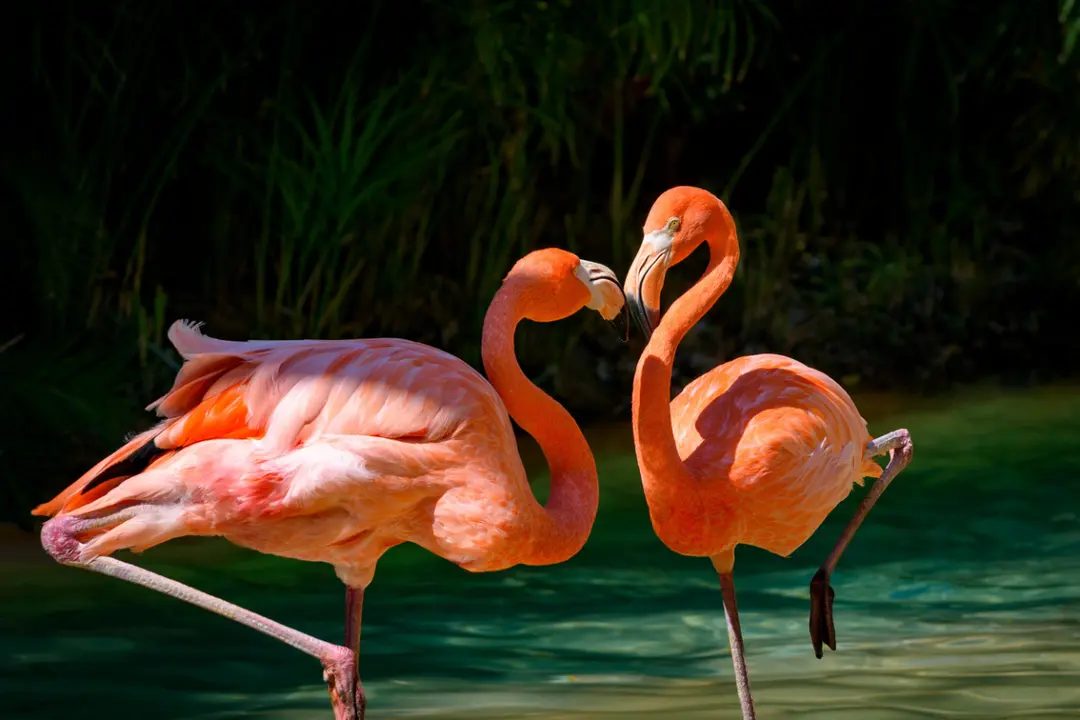
It’s not just about nutrition; it’s about a certain diet. The color varies from pale red to deep crimson and is determined solely by the carotenoid pigment content of the bird’s diet. But here’s the catch: These pigment levels vary wildly depending on where you are on the planet. Algae and crustaceans are not uniform.
This creates a real geographic difference in plumage. Caribbean flamingos tend to flash bright reds and oranges. Meanwhile, in Lake Nakuru in central Kenya, residents who often suffer from drought tend to be softer, pinker. The water chemistry changes. The food chain is changing. The bird reflects it.
Reversible coloring
The process also works in reverse. If a Flamingo were to suddenly stop eating carotenoid-rich food, the new feathers that grow back would be significantly duller. Over time, as the old feathers molt and shed, this bright red sheen fades. It is not a permanent tattoo. It reflects current consumption.
So the next time you spot a Flamingo in the wild, remember the literal truth behind the idiom. They literally are what they eat.


