The natural world is a complex web of interconnected systems, ranging from the microscopic instructions within a single cell to the vast, global ecosystems that sustain life. To understand how life evolves, survives, and sometimes disappears, we must look at the fundamental components that define biological existence.
The Blueprint of Life: DNA and Genetics
At the heart of every living organism —whether it is a single-celled bacterium or a complex mammal—lies the DNA (deoxyribonucleic acid). This double-stranded molecule acts as a biological instruction manual, providing the code necessary for cells to function.
Within this DNA are genes, specific segments that dictate how proteins are produced. These genes are the drivers of heredity, influencing everything from an animal’s physical appearance to its behavior. The variety of these genetic instructions within a group is known as genetic diversity. This diversity is critical; it provides the toolkit for species to adapt to changing environments.
From Cells to Organisms: The Process of Development
Life begins at the most basic level: the cell. As the smallest functional unit of life, cells work together to form tissues, which in turn compose the organs and systems of complex animals.
The journey from a single cell to a mature organism involves several key biological milestones:
– Fertilization: The fusion of reproductive cells (such as an egg and sperm) to create a new organism.
– Embryo: The early, multi-cellular stage of development.
– Development: The process of growth and maturation, involving significant changes in chemistry, size, and physical shape.
In modern science, researchers also study stem cells —specialized “blank slate” cells capable of transforming into various tissue types, offering immense potential for medical regeneration and repair.
Evolution and the History of Life
The history of life on Earth is a story of constant change and dramatic shifts. A prime example is the evolution of dinosaurs. Emerging roughly 243 million years ago, these reptiles split into various lineages, including the “lizard-hipped” saurischians. While many large dinosaurs vanished approximately 66 million years ago, one lineage survived and evolved into the birds we recognize today.
This evolutionary timeline highlights the distinction between different classes of animals:
* Mammals: Warm-blooded animals characterized by hair or fur and the production of milk for their young.
* Birds: Feathered, warm-blooded descendants of certain dinosaurs that typically lay eggs in nests.
Conservation and the Fragility of Biodiversity
Despite the resilience shown by life throughout eras like the Jurassic, many modern species face the threat of extinction. When a species no longer has any living members, it is declared extinct.
Today, the focus of much scientific and environmental work is conservation —the active protection of endangered species and their habitats. Maintaining biodiversity (the range of different life forms within an area) is essential for the health of an ecosystem. An ecosystem is a delicate balance of interacting organisms and their physical environment; if one part of the web is lost, the entire system can be destabilized.
The Intersection of Science and Technology
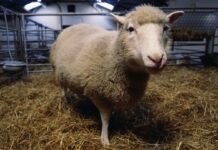
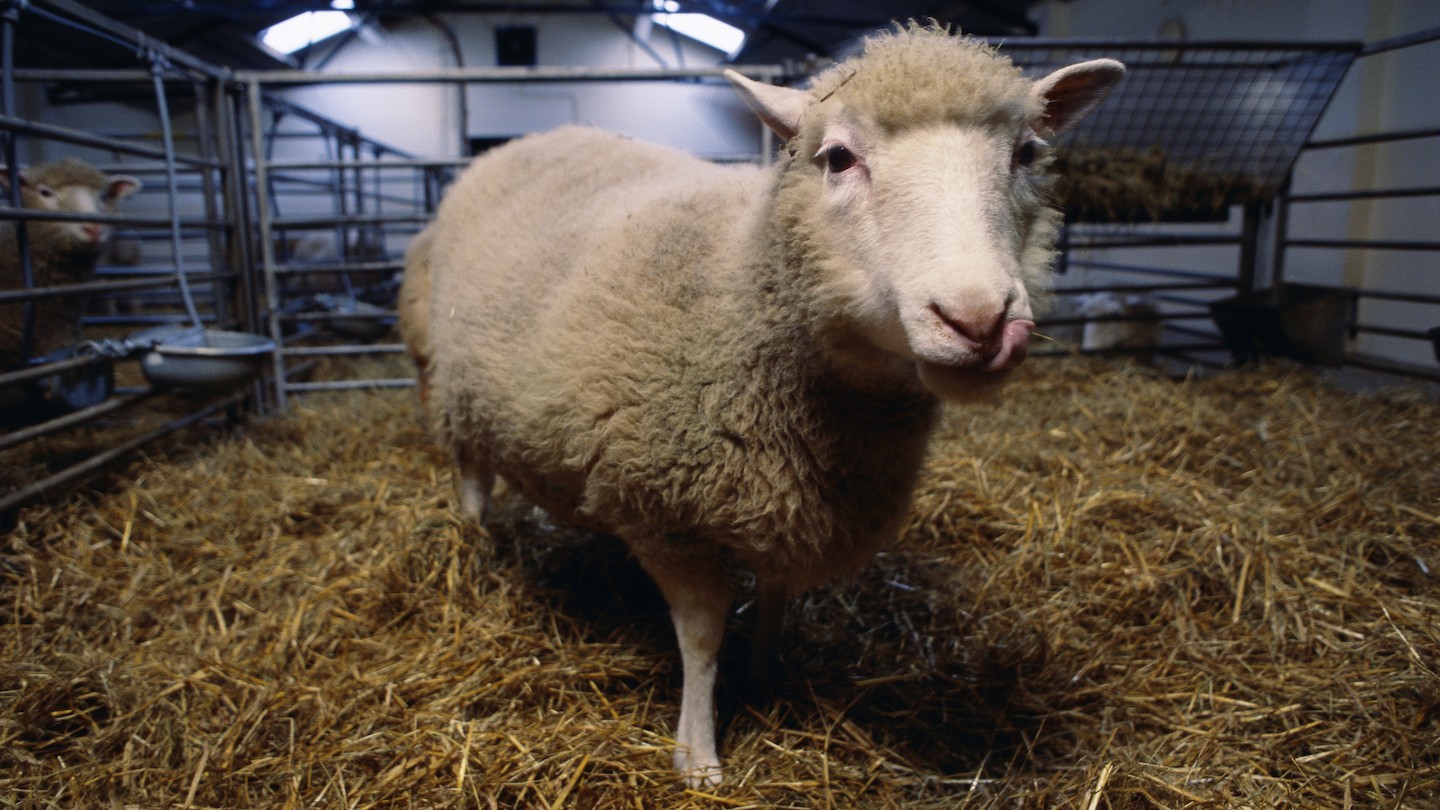
As our understanding of biology deepens, so does our ability to intervene. Through technology and advances in chemistry, humans can now manipulate biological processes. This includes complex procedures such as cloning (creating genetically identical copies of an organism) or using a surrogate to carry an embryo for another.
While some of these advancements may seem like the stuff of science fiction, they are increasingly becoming realities of modern biological research, raising important questions about how we interact with the natural world.
Summary: Life is driven by genetic instructions that guide development from a single cell to complex organisms, a process shaped by millions of years of evolution and currently facing critical challenges in conservation and biodiversity.