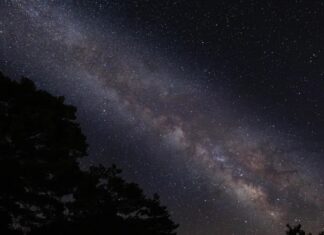


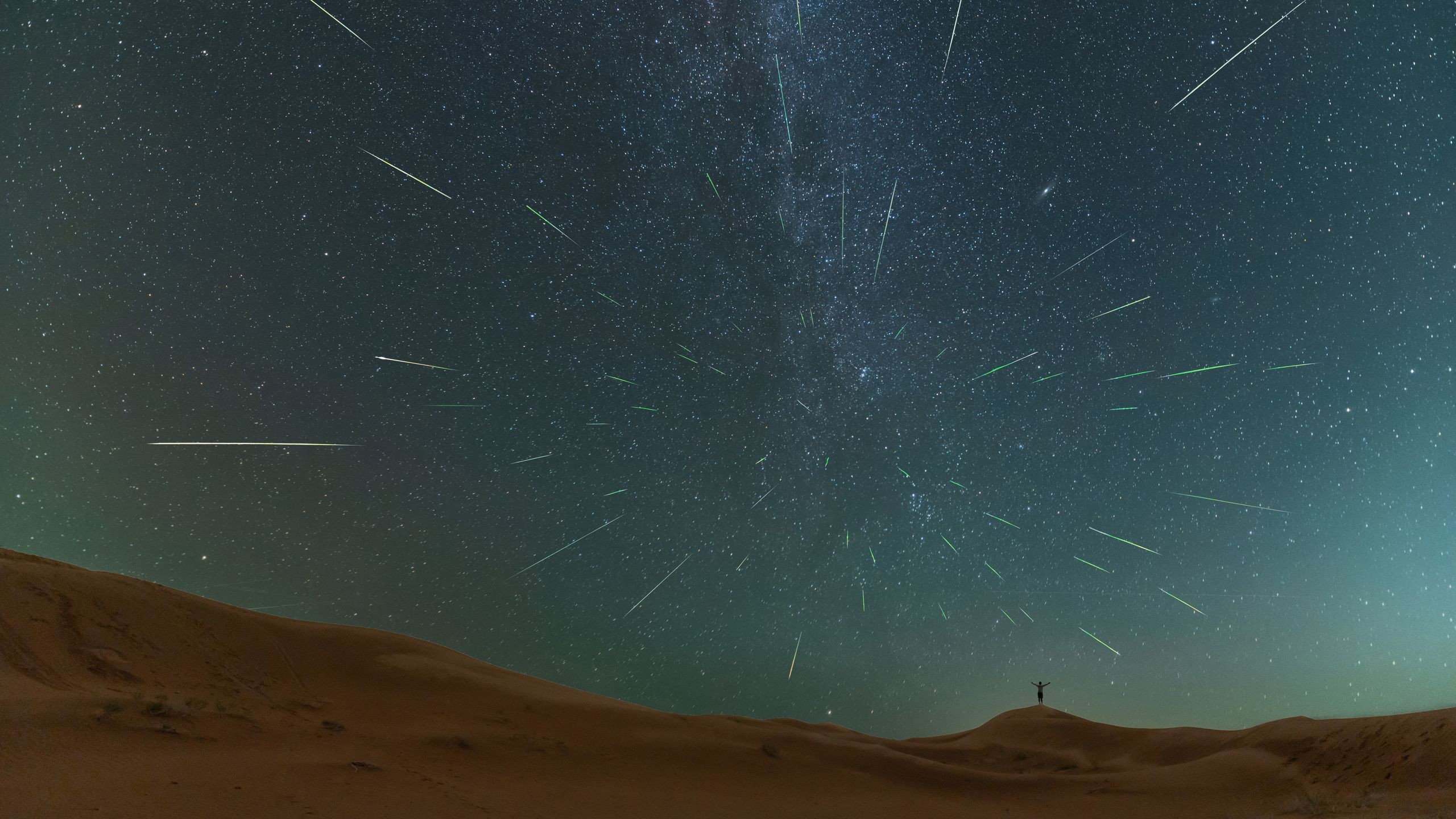
Look up.
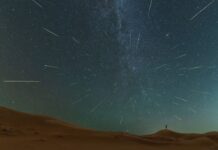
The Perseids are finally back. Earth is diving into the dusty tail of the Swift-Tuttle comet. It’s messy, beautiful debris.
This year feels different. 2025? Useless. Moonlight drowned everything out. Only the loudest stars showed up. Not this time. We get dark skies. Actually dark ones.
Peak action hits Aug. 12 and 13. New moon means zero competition from lunar glare. Expect up to 100 meteors an hour at best. They carve hot lines through the black. The American Meteor Society says it’s going to be magnificent.
There is one wild card. The August 12 eclipse.
Could a bright fireball pop right then? As the moon blocks the sun? Maybe. If you’re standing in totality. And if a huge rock decides to burn up at that exact second. Odds? Slim. Don’t count on it. Just wait. The regular shower is waiting.
Finding the radiant
They appear anywhere. Any time after dark. Starting tonight.
Look northwest. Find Perseus. Specifically, the star Eta Perseus. That’s your starting point. The radiant.
Here’s the trick: Look forty degrees above the constellation.
That’s where the trails get longest. Most dramatic. Perseus stays low on the horizon, so your best view is actually higher up. The old fashioned way works fine. You don’t need fancy gear. Just patience.
The green flash
Sometimes they get loud.
Vivid green fireballs. Big chunks of comet guts hitting the atmosphere at 37 miles per second. Whoosh. Briefly, it feels like daylight.
Fast. Bright. Gone.
Timing is everything
In the US? Wait till 10 PM.
Better? Pre-dawn.
As August 13 breaks, the radiant climbs high. You see more meteors because Earth is plowing through the densest part of Swift-Tuttle’s trail. Leave the city. Let your eyes adjust for twenty minutes. Trust the process.
It’s lonely out there. Good for stargazing. Bad for introverts.
“The meteors we see early and late are likely the oldest. Perturbed from the main comet orbit,” notes Robbert Lunsford.
If you catch one late in the week, you’re seeing something ancient. A speck of ice that drifted for thousands of years just to hit your atmosphere. Poetic.
Wants to take pictures? There’s a whole guide for that. Lenses. Cameras. Long exposures.
Or you could just watch. The sky doesn’t care if you press record. It just burns.