



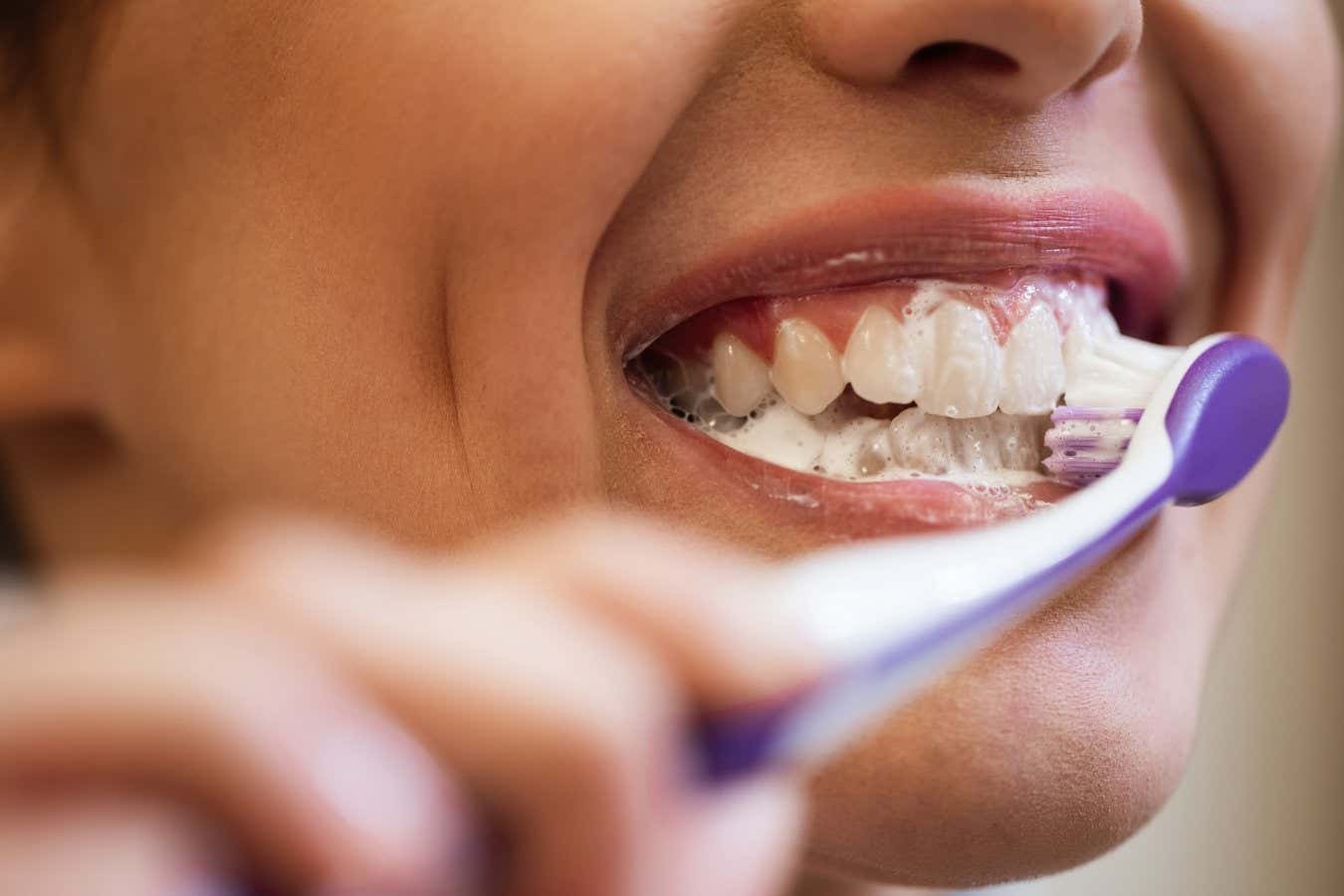
A groundbreaking study has revealed that a simple, low-cost intervention—providing patients with toothbrushes and dental hygiene education—can drastically reduce the risk of developing pneumonia during a hospital stay.
The findings, presented at the ESCMID Global congress in Munich, suggest that improving oral care is not just about dental health; it is a critical strategy for preventing one of the most dangerous hospital-acquired infections.
The Connection Between Mouth and Lungs
While it is well-documented that patients on ventilators are at high risk for pneumonia, many patients not on ventilators also develop the infection within 48 hours of admission. This presents a significant challenge for healthcare providers, as hospital-acquired pneumonia is linked to increased mortality, longer hospital stays, and rising medical costs.
The research led by Brett Mitchell at Avondale University explores the link between the oral microbiome and respiratory health. When people are hospitalized, the bacteria in their mouths can change. If these bacteria-laden droplets are inhaled into the lungs, they can trigger infection.
The HAPPEN Study: A Large-Scale Test
To test this theory, researchers conducted the Hospital-Acquired Pneumonia Prevention (HAPPEN) study, a year-long randomized controlled trial involving 8,870 patients across three Australian hospitals.
The study utilized a phased approach to see how providing tools and information affected patient behavior:
- The Intervention: Patients were provided with toothbrushes (featuring specialized handles for those with limited dexterity), toothpaste, and educational materials accessible via QR codes.
- The Messaging: Toothbrushes were clearly labeled with encouraging messages such as “Brush away pneumonia!”
- Staff Involvement: Nurses received specialized training and were encouraged to assist patients who lacked the physical ability to brush on their own.
Dramatic Results in Infection Rates
The impact of the intervention was immediate and statistically significant.
Before the intervention, only 15.9% of patients practiced daily oral hygiene. Once the tools and education were introduced, that number jumped to 61.5%, with patients brushing an average of 1.5 times per day.
More importantly, this change in behavior led to a sharp decline in pneumonia cases:
– Control Group: 1 case per 100 admission days.
– Intervention Group: 0.41 cases per 100 admission days.
Essentially, providing these basic supplies resulted in a 60% reduction in certain types of hospital-acquired pneumonia.
Why This Matters for Healthcare
The simplicity of the solution is what makes these findings so impactful. Unlike expensive medical technologies or complex pharmaceutical interventions, toothbrushes and toothpaste are inexpensive and easy to distribute.
“The message is that brushing teeth while in hospital is not only good for one’s oral hygiene and sense of well-being, but it may also literally be life-saving.” — Michael Klompas, Harvard University
While experts note that results may vary based on a patient’s existing habits or the reason for their hospitalization, the study highlights a massive opportunity to improve patient safety through basic hygiene and better communication between staff and patients.
Conclusion
By integrating routine oral care into standard hospital protocols, healthcare facilities can significantly lower the incidence of deadly pneumonia. This study proves that even the most basic hygiene tools can serve as powerful preventative medicine.