
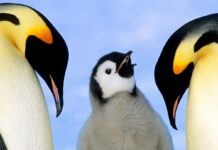


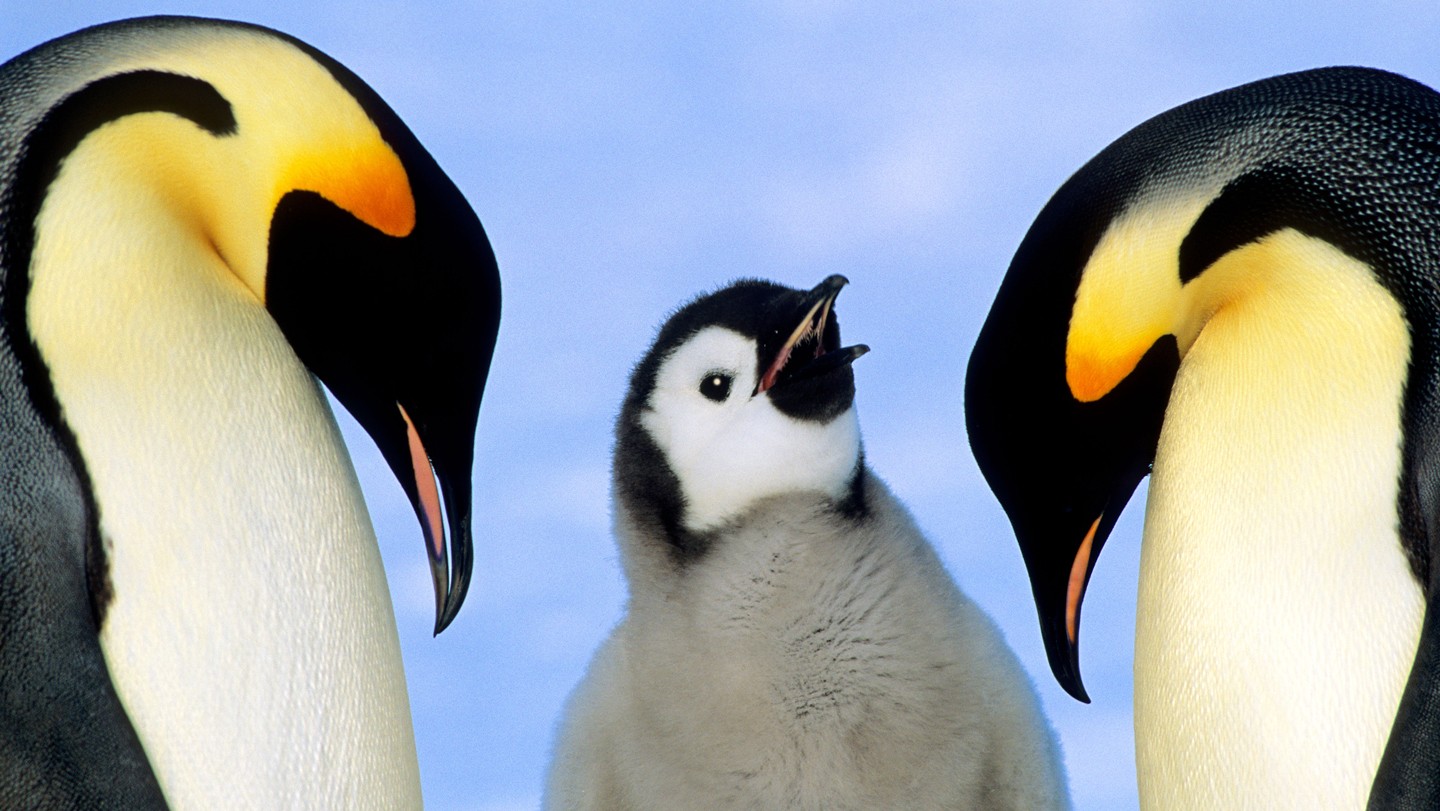
Emperor penguins, the iconic residents of Antarctica, are facing a precipitous decline that scientists warn could lead to functional extinction by the end of the century. This crisis is not merely a localized ecological issue but a stark indicator of the rapid environmental changes reshaping the Southern Hemisphere. As sea ice—their primary breeding ground—disappears at an accelerating rate, these flightless birds are losing the very foundation of their reproductive cycle.
The Fragile Foundation of Sea Ice
To understand the plight of the emperor penguin, one must first understand their dependence on sea ice. Unlike many other penguin species that nest on land, emperor penguins breed on the fast ice of Antarctica during the harsh winter months. This ice serves as a stable platform for incubating eggs and raising chicks.
- Breeding Cycle: Parents take turns guarding a single egg against freezing temperatures for about two months.
- The Critical Window: Chicks must fledge (grow their waterproof feathers) and enter the sea to hunt before the ice breaks up in the spring.
Why this matters: The stability of this ice is directly threatened by global warming. As atmospheric temperatures rise, the sea ice forms later in the year and breaks up earlier. This “ice squeeze” disrupts the penguins’ breeding timeline, leading to catastrophic colony failures.
A Climate-Driven Collapse
The threat facing emperor penguins is a direct consequence of climate change, driven largely by human activities such as the burning of fossil fuels. These activities release greenhouse gases, trapping heat and altering weather patterns globally. In Antarctica, this manifests as:
- Reduced Ice Coverage: Satellites have documented a significant decrease in the extent and thickness of Antarctic sea ice.
- Increased Storm Activity: Warmer oceans fuel more frequent and severe storms, which can sweep chicks off the ice into freezing waters before they are ready to swim.
- Habitat Fragmentation: Remaining ice patches become isolated, preventing genetic exchange between populations and reducing resilience.
What trends are behind it? The data suggests a feedback loop. As ice melts, less sunlight is reflected back into space (albedo effect), causing further warming and more ice loss. For emperor penguins, this trend is accelerating faster than their ability to adapt.
Food Web Disruptions
Beyond habitat loss, emperor penguins face challenges from the bottom of the food web. Their primary diet consists of krill, fish, and squid. Krill are tiny, shrimp-like crustaceans that form massive swarms in Antarctic waters.
- Krill Dependency: Krill populations are also sensitive to sea ice changes, as their larvae feed on algae that grow under the ice.
- Competition and Predation: As krill become scarcer or shift their distribution, penguins must expend more energy to find food. Simultaneously, they face predation from seals and whales, which also rely on krill.
This creates a double jeopardy: less breeding ground and less reliable food sources. The result is lower survival rates for pups (young penguins) and reduced overall population health.
Conservation and the Path Forward
The term endangered describes species at high risk of extinction —the permanent loss of a species. While emperor penguins are not yet classified as critically endangered in all regions, their trajectory is alarming. Recent studies suggest that without significant intervention, most colonies could collapse within 50 years.
Conservation efforts are currently focused on:
* Monitoring: Using satellites and field research to track colony sizes and ice conditions.
* Policy: Advocating for stronger international agreements to protect Antarctic marine ecosystems.
* Climate Action: Addressing the root cause by reducing global carbon emissions.
“The fate of the emperor penguin is inextricably linked to the fate of our planet. They are canaries in the coal mine for the Antarctic ecosystem.”
Conclusion
The decline of emperor penguins is a measurable symptom of a warming world. Their struggle highlights the interconnectedness of climate systems, marine biology, and human activity. Protecting these birds requires not just local conservation measures, but a global commitment to mitigating climate change. If the ice disappears, so too will the emperor penguin, marking a profound and irreversible loss to the natural world.