
Forget the chocolate doors.
The traditional Advent calendar is a daily sugar rush leading up to December 25th. It’s predictable. It’s festive. It’s mostly harmless. But there is another version gaining traction that flips the script entirely. It is called the inverted advent calendar, and it is designed to support homeless populations during the coldest months of the year.
This isn’t just a theoretical concept. The model originated in Belgium in 2016. The driving force behind it was Solidarité SDF Mons, an association dedicated to aiding the homeless. They saw a gap between the abundance of the holiday season and the stark reality faced by those sleeping on the streets. The solution was simple yet effective.
How the Inverted Advent Calendar Works
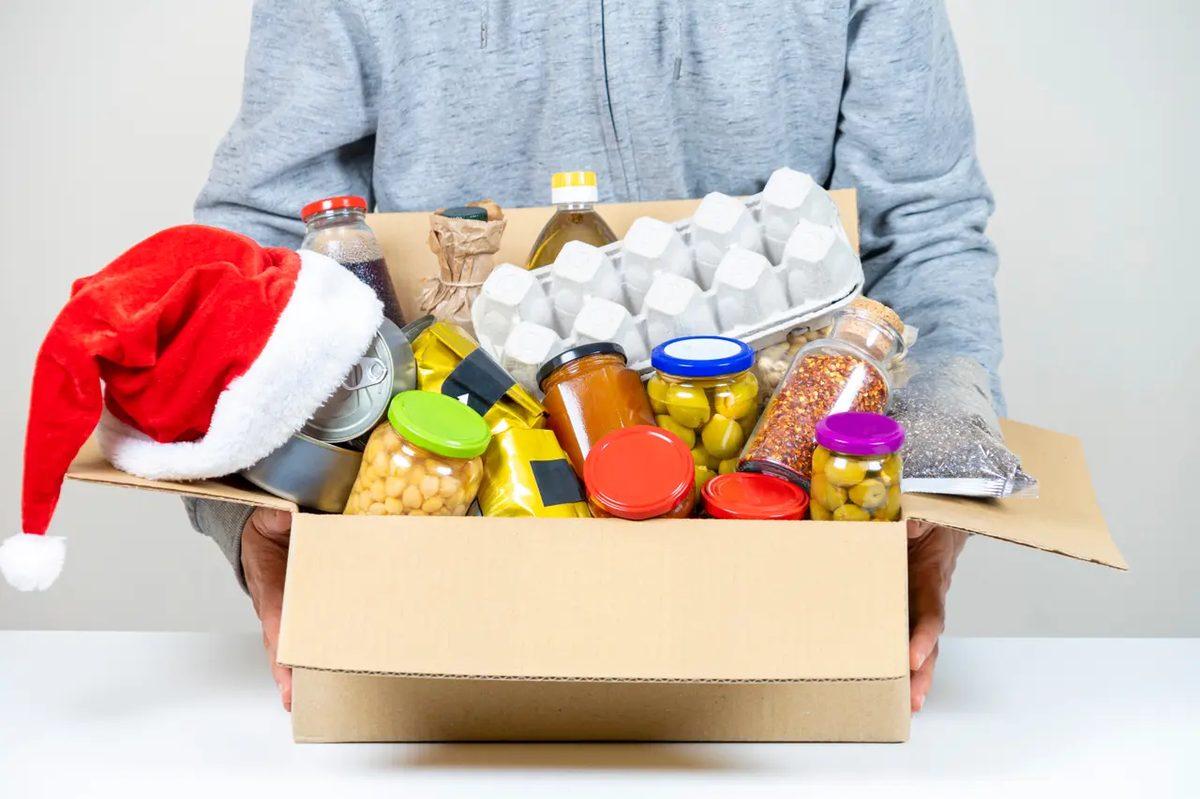
The mechanics are straightforward. Instead of receiving a small gift each day, you become the giver. You start on December 1st. You spend the next 24 days filling a box. You add one item per day. By Christmas Eve, that box is full. Then, you deliver it.
Delivery options are flexible. You can hand it directly to a local charity organization. You can drop it off at a designated collection point. The goal is to ensure the contents reach people who need them most.
But what exactly goes into the box? The guidelines suggest a mix of survival necessities and small comforts. This is where the “inverted” aspect matters. We often think of charity as bulk donations—boxes of canned goods or winter coats sent to warehouses. The inverted advent calendar approach changes the narrative. It individualizes the aid. It turns a donation into a series of daily acts of kindness.
What to Put in Your Box
If you want to participate, you don’t need to be an expert in humanitarian logistics. You just need to follow the basic categories. Here is what works best:
- Hygiene products. Toothpaste, soap, deodorant. These are often overlooked in standard food drives but are critical for dignity and health.
- Non-perishable food. Canned goods or dry items that have a long shelf life. Something that won’t spoil before it reaches the recipient.
- Warm clothing. A jacket, gloves, or thick socks. Items that are in good condition and actually provide warmth.
- Small pleasures. A book, a game, or a sweet treat. Hardship strips away the little joys of life. Reintroducing them matters.
- A handwritten note. This is the most important item. It signals that someone thought about them specifically. It breaks the isolation.
The founders of the movement in Belgium emphasized that the contents should not just be functional. They should offer a moment of respite. A chocolate bar might seem trivial to some. To someone freezing on a park bench, it might be the only sweet taste they experience all winter.
Why This Method Resonates
There is a psychological shift here. Traditional charity can feel impersonal. You write a check. You drop off a bag. The process ends. The inverted advent calendar requires daily engagement. It forces you to think about the recipient every morning for a month. You visit the store. You pick an item. You consider what they might need.
This daily ritual builds empathy. It transforms abstract concern into


Why Following Futura Matters Now
If you have ever felt like science news moves too fast to keep up, you are not alone. The gap between a laboratory breakthrough and everyday understanding is widening. Futura fills that gap. Their presence on WhatsApp and Google News ensures you get verified science and technology updates directly. No algorithmic noise. Just facts.
The Value of Direct Channels
Why choose these specific platforms? It comes down to control and speed. WhatsApp groups offer immediate alerts. You get the headline before the feed gets cluttered. Google News aggregates the story for deeper context. Together, they create a reliable loop. You stop chasing news. It finds you.
Staying Informed Without the Spam
Most science blogs bombard you with ads. Or they rewrite the same press release ten times. Futura curates. They filter. When a new study hits Nature or Science, you know Futura has already checked the credentials. You read the summary. You understand the implication. You move on.
The Future of Science Communication
This is not just about convenience. It is about access. Complex ideas need clear delivery. By using these tools, you stay ahead of the curve. Whether it is a new AI model or a climate shift, you get the raw data first. Then you get the analysis. That is how you stay informed in a chaotic digital world.
Join the Conversation
There is no subscription fee. Just a click. A tap. And suddenly, you are part of a community that cares about how things work. The world is changing fast. Don’t let it pass you by.