





Cinema is a beloved art form for millions. We line up for opening weekends. We debate the best Oscar winners. We treat it with reverence.
But then there are the people who treat it like a waiting room.
It doesn’t take much to ruin the immersion. A single bad habit can shatter the spell of a great film. It leaves you frustrated. Angry. Ready to storm the exit.
Here are the types of moviegoers who deserve a permanent ban.
The Phone Glow-Up
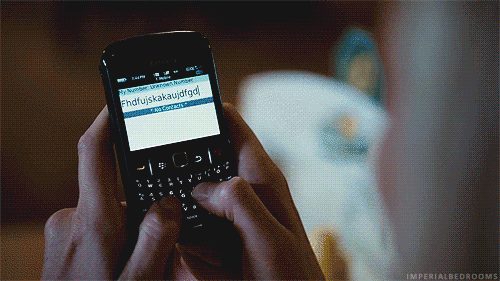
Let’s start with the worst offender. The person who cannot put their phone down.
They don’t just check it occasionally. They treat their smartphone like a second screen. The brightness is maxed out. Even if they dim it slightly, it is still a blinding beacon in the dark theater.
It isn’t just about their attention span. It is about the light pollution. That harsh blue light cuts through the darkness. It hits you in the face. It breaks the atmosphere you paid to experience.
You sit there. Trying to focus on the plot. But all you can see is that rectangular glow reflecting off the back of their head.
Why are they even there? If they wanted to scroll social media they could do it in the parking lot. The theater offers an escape. They choose to bring the outside world in with them.
And they probably didn’t even silence their phone. You’ll feel the vibration. You’ll hear the faint buzz. Or worse, a ringtone that echoes off the walls.
These people need to be escorted out. Immediately.

The “Let’s Kiss” Trap in Darkened Theaters
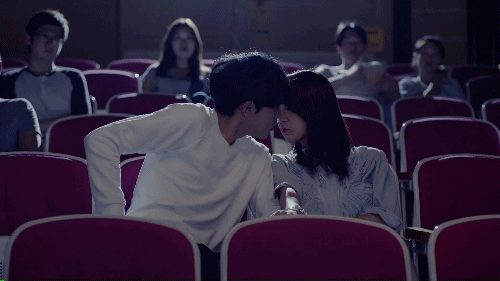
There are people who arrive at the cinema with a completely different agenda. They don’t want to watch the movie. They just need a dark room and an excuse to get handsy.
It’s a specific breed of behavior.
Some folks use the theater as a backdrop for their own private romance. The film is secondary. The plot doesn’t matter. What matters is finding a way to steal more kisses from their partner in the row behind or beside them.
Love itself is innocent. Really. But the location changes everything.
Why It’s a Public Distraction
Here’s the thing about public spaces. They belong to everyone, not just the couple in love.
When you sit in the middle of the crowd, you’re sharing the experience. You’re paying for a seat to see the screen. Not to watch another person’s make-out session.
The physical distraction is real. It’s not subtle. It’s a constant tug-of-war for attention.
“The film becomes background noise while your neighbors rehearse for an Oscar in the third act.”
The Impact on Other Viewers
Imagine this.
You’re trying to follow a complex plot. Or maybe you’re just trying to enjoy a quiet moment. Then, someone behind you stands up. Or shifts. Or leans in too far.
It breaks your focus. Instantly.
You stop seeing the characters. You start noticing the awkwardness. The noise. The sheer lack of consideration.
It’s not malicious. Usually, it’s just obliviousness. But it ruins the immersion for everyone else. The screen fades into the background. The dialogue gets lost.
Finding the Right Venue for Romance
This isn’t a critique of affection. It’s a critique of context.
If you want to be romantic. Do it somewhere private. Or at least somewhere that doesn’t require silence and concentration from strangers.
The cinema is a shared temple of storytelling. Treat it like one.
Let the movie play.
Save the heavy petting for the couch. Or the car. Or the bedroom.
There’s a time and place. This isn’t it.
The Noise Factor: Why Movie Theater Etiquette Is Dead
Some people treat every single frame of a film like an interactive call-and-response session. They can’t just watch. They have to comment. They have to react. Loudly.
It’s not enthusiasm. It’s a lack of self-awareness bordering on sociopathy. These are the patrons who feel compelled to announce every plot twist, gasp at every jump scare, or cheer when the hero wins — even if the theater is packed.
“You’re not part of the movie. You’re a distraction.”
The rudeness is palpable. Yet, these individuals seem entirely oblivious to how much their behavior ruins the experience for everyone else. They don’t grasp that cinema is a shared, quiet immersion. Not a live comedy club. Not a sports bar.
Why do they think their voice matters more than the director’s intent? Or the person sitting behind them trying to focus?
It’s not just annoying. It’s a fundamental misunderstanding of social contracts. You buy a ticket. You sit down. You shut up. Anything else is just noise pollution with a popcorn budget.

The Cinema Snack Bandits
Let’s be honest. The popcorn is just a prop.
For a certain breed of moviegoer, the actual film is secondary. It’s background noise. The real event? The feast.
These are the ones who arrive with a logistical operation. We’re talking about more than just buttery kernels. You’ve got sandwiches. Chips. Bottled drinks. A chaotic spread of snacks that defies theater seating.
And it doesn’t stop there.
They eat loudly. Crunchy. Slurpy. Deliberately loud.
The smell? Non-existent to them. Whether it’s strong cheese, spicy curry, or that pungent tuna melt, they don’t care if their neighbors gag. It’s their experience. Their rules.
Why do they do it?
Maybe the food is the point. Maybe they’re just oblivious. But watching someone dismantle a multi-course meal with the volume of a jackhammer is its own kind of torture.
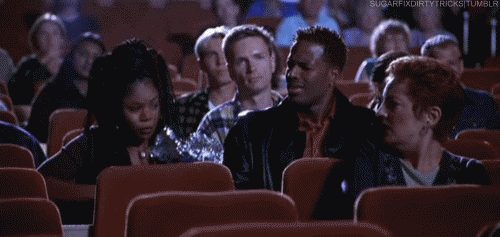

The Art of the Backseat Kick
Some people have made kicking the seat in front of them a full-blown habit. Nobody knows what their grand motivation is. Is it boredom? A cry for attention? A misguided attempt at dance?
The truth is simpler and far more annoying. It’s just irritating.
You know the type. The one sitting behind you. Every time you shift your weight, adjust your posture, or hit a particularly rough patch of road, thump. There it is again. The plastic shell of your seat rattling against the spine of the driver.
It’s not violent. Not really. Just persistent. Like a mosquito. Like a dripping faucet.
“Some people have made kicking the seat in front of them a full-blown habit.”
Why do they do it? No one knows. They probably don’t even realize they’re doing it. Or if they do, they don’t care. They’re looking at the back of your head, thinking about their phone, their dinner, their next move. Your comfort is low priority.
It’s one of those universal travel irritants. You can’t ask them to stop. That’s awkward. That’s a confrontation. So you sit there. Tight. Jaw clenched. Waiting for the ride to end.
It’s small stuff. Insignificant. But it adds up.

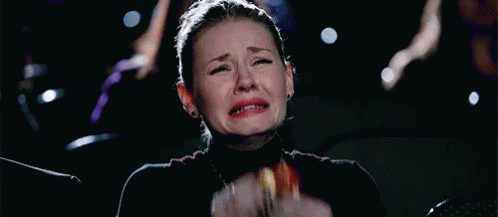
The Crybabies in the Comedy Row
Some people just can’t help themselves. You drop them into a slapstick comedy—loud noises, pie fights, the works—and they’re still sobbing into their popcorn. It doesn’t matter how hard the punchline lands. If there’s even a hint of sadness, they’re already reaching for the tissues.
These aren’t subtle viewers. They treat every bittersweet moment like a tragedy. A dog dies in a rom-com? Gone. A breakup happens in a buddy flick? Tears flowing. It’s as if they signed up for an emotional workout rather than a night out.
And let’s be honest—they’re terrible guests. They bring the mood down faster than a dropped mic. While everyone else is laughing off a cheesy joke, they’re staring at the ceiling, wiping away fresh tears. It’s annoying. It’s distracting. It’s the fastest way to kill a party vibe.
“The joke lands, but the crybaby doesn’t laugh—they just start crying harder.”
It’s not just about sensitivity. It’s about attention. Some folks use these moments to shift the focus. The room stops laughing and starts worrying. Did you hurt them? Is everything okay? Suddenly, the comedy routine is interrupted by a comfort break. Classic.
You know the type. They arrive looking cheerful. They leave looking devastated. And you’re left wondering if you should have brought extra napkins.

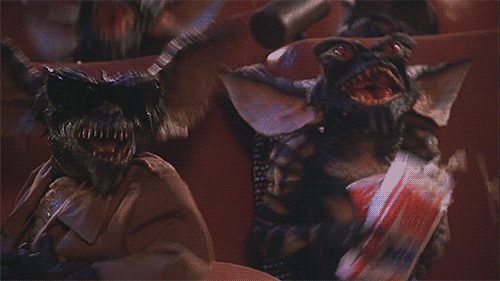
The Audience Split: Tears vs. Laughter
There is always that one crowd reaction that serves as the perfect foil to the weeping masses. You know the type.
They are not there for the pathos. They are there for the chaos.
When a tragedy of epic proportions unfolds on screen, these viewers do not reach for tissues. They lean forward. The sheer absurdity of the situation triggers an uncontrollable release of energy. It does not matter if the story spans a century of sorrow. If a punchline lands, even accidentally, they lose it.
It is a tectonic shift in theater etiquette.
“Even the greatest drama in a century cannot stop the tsunami of laughter.”
The sound is distinct. It is not a chuckle. It is a full-throated, unapologetic cackle that rips through the quiet tension of a scene.
Do they realize they are ruining the moment for everyone else? Probably not. Or maybe they do, and they simply do not care. The social contract of cinema is broken. They are making those ridiculous, loud noises.
There is a strange logic to this behavior.
Laughter is a defense mechanism. It breaks the spell. It reminds you that you are sitting in a dark room, not living the pain on screen. But to the rest of us, it just feels like a violation.
Is there such a thing as too much laughter in the dark?
The answer seems to be no. At least for them. Every scene becomes a minefield. You are trying to cry. They are trying to breathe.
It is all about balance. And clearly, they have found theirs.
The Cinema Etiquette Offender You Can’t Ignore
There is a specific breed of moviegoer who operates on a frequency that defies social contracts. They do not respect art. They certainly do not respect the person sitting next to them who paid full price for the immersive experience. And yet, they treat the “silent mode” function on their smartphones like an optional accessory rather than a basic requirement.
The result?
You are ten minutes into the climax. The tension is thick enough to cut with a knife. The score is swelling. And then—brrring. Or worse, that cheerful, jarring ringtone that sounds like a cartoon character falling down stairs. It cuts through the darkness like a shout in a library. Heads turn. The moment is shattered. The spell is broken.
But that is only half the battle.
The real offense comes from the talkers. The ones who not only leave their phone on but actively engage in conversation. Why? Who knows. Maybe they think the theater is their living room. Maybe they believe their text about dinner plans is urgent enough to derail the director’s vision.
“It’s not just about noise. It’s about the complete disregard for the shared space.”
This behavior creates a unique kind of rage. It’s not just annoyance. It’s a specific type of frustration that lingers long after the credits roll. You leave the theater not because the movie was bad, but because your immersion was violated by someone who couldn’t be bothered to flip a switch.
How do we fix this? We can’t. Not really. We can only sigh, adjust our earplugs, and pray the person behind us is wearing noise-canceling headphones. Or not. The gamble is always on.
It’s a small thing. A tiny, irritating flaw in the ecosystem of cinema. But it reminds us that no matter how good the film is, we are still stuck sharing the dark with people who refuse to follow the most basic rule of public decency.
Silence is golden. Why can’t they just keep it?
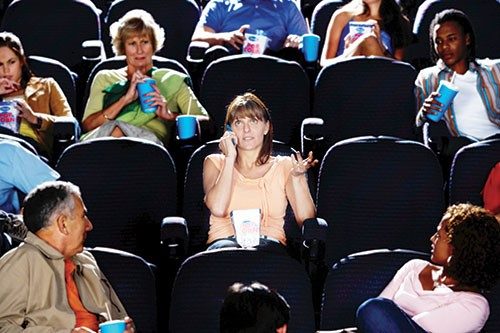

There is a specific subset of moviegoers who seem to believe the narrative arc is merely a suggestion. They don’t just leave early. They don’t wait for the credits. No, they have carved out a precise, calculated moment in the runtime to vanish. The middle.
Right when the second act kicks in. Right after the inciting incident has taken root but before the stakes truly escalate.
It is jarring.
You settle into the darkness. You are three hours deep into Dune: Part Two or whatever massive event film is dominating the box office this week. The immersion is total. Then—click. The aisle light floods the row. A pair of shoes scuffs against the carpet. And just like that, the spell is broken.
Why?
Is it a bathroom emergency? Fine. We get it. Biological needs happen. But leaving at the exact midpoint? That isn’t an emergency. That is a statement. A loud, disrespectful one.
The Disrespect Factor
Let’s be clear about the social contract of cinema. You buy a ticket. You occupy a seat. You stay for the duration of the commitment. Even if you hate the film, you stick it out. Or you walk out immediately. You do not hover in the limbo of the middle.
“Leaving at the midpoint signals zero regard for the filmmaker’s pacing.”
Directors work in seconds. Editors cut on frames. When someone bails at the 60-minute mark of a two-hour runtime, they aren’t just missing plot points. They are insulting the craft. They are treating a carefully constructed experience like a drive-thru.
Why It’s So Irritating
It’s not just about you. It’s about everyone else.
That rustling of a jacket? The sudden glare of a phone screen illuminating faces? The whisper of “We gotta go” echoing through the silent theater? It pulls twenty other people out of their heads. It shatters the collective suspension of disbelief.
And for what?
Maybe you’re bored. Maybe you saw a spoiler. Maybe you just have the attention span of a goldfish. But forcing the rest of the audience to witness your departure mid-scene? That’s low blow energy.
The Bottom Line
If you can’t handle the full runtime, don’t buy the ticket. Or better yet, leave before the lights go down. Don’t linger in that awkward, half-baked exit strategy.
The movie will keep playing. The director will keep working. But you? You’ve just earned the silent, seething judgment of everyone left in the dark.

The Crowd Who Ruined It
There is a specific breed of moviegoer who treats a cinema screening less like a shared experience and more like a live podcast. You know the type. They lean in during the quietest moments. They whisper. They narrate. They decide what everyone else should feel.
It isn’t just annoying. It is aggressive.
These people seem to believe their commentary is an obligation. They look around, eyes wide with self-importance, expecting applause for their loud, unsolicited opinions. Respect for the space? For the screen? For the person sitting ten feet away trying to escape reality for two hours? Gone.
But here is the darker truth hiding behind the annoyance.
Talking through a film isn’t just bad manners. It is actively toxic to your own head.
When you spend every minute dissecting the plot, critiquing the acting, or explaining the symbolism out loud, you aren’t watching the movie. You are performing for an audience of one: yourself. You are robbing your brain of the quiet processing time it needs to actually engage with the art.
“You can’t experience immersion while you’re busy directing the crowd.”
The stress of holding that constant commentary loop. The adrenaline spike of being “right.” The social friction. It adds up. You leave the theater not relaxed, but drained.
So why do they do it?
Attention. Validation. A desperate need to control the narrative because they can’t control their own lives.
Next time you see someone leaning over their friend during the climax, don’t sigh. Just pity them. They are so busy talking about the story they are missing their own.

The Sleepers Who Stole the Show
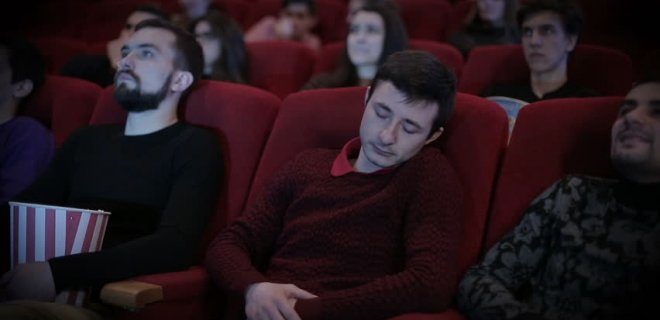
It is genuinely baffling why people come to the cinema if they plan to shut down halfway through. You pay for the immersion. You pay for the spectacle. And yet.
Most of these sleeping patrons are harmless enough. They do not kick seats. They do not shout at the screen. They just… drift off. But then there is the snoring.
That is the unforgivable sin.
Snoring in a theater is not a nuisance. It is an act of aggression against everyone else’s experience.
When someone turns into a human jackhammer during a quiet scene. The entire row notices. The tension spikes. You stop watching the plot because you are too busy waiting for the usher to intervene. By the time the lights come up. You have missed half the movie and gained zero enjoyment.
It creates a specific kind of rage. One that lingers long after the credits roll. Why do we tolerate it? Why do we let these people ruin the dark. The quiet. The shared magic of the screen?
You walk out. The plot is fragmented in your head. The emotional beats hit late. Or not at all. It is a hollow experience. Bought and paid for. But ultimately. Lost to the snores of a stranger next to you.
The Late-Night Game Show Resurgence
The lights dim. The audience holds its breath. Then, a buzzer sounds.
Not the frantic, panic-inducing buzz of a trivia trap, but the rhythmic, game-show-style thud of a production that knows exactly what it is. We are looking at the latest wave of late-night contenders who have realized that talk shows are for chatting, but game shows are for watching.
It’s not just about having celebrities answer questions. It’s about the stakes. The props. The sheer theatricality of losing or winning something ridiculously trivial.
Why Traditional Talk Shows Are Losing the Night Wars
For decades, the formula was rigid. Interview. Monologue. Musical guest. Repeat.
It’s safe. It’s predictable. And frankly? It’s boring.
Viewers have shifted. They don’t want to watch Jimmy or Stephen talk about their new movie for twenty minutes. They want to see chaos. They want to see a former action star trip over a podium. They want to see a pop star try to balance a spoon on their nose.
Game shows provide that spark. They create moments that can be clipped, shared, and meme’d within minutes. That’s the currency of late-night success now. Not the depth of the conversation, but the virality of the clip.
The “Game Show” Format: A Quick Breakdown
So, what are these shows actually doing? They aren’t reinventing the wheel. They are repackaging classics with a modern, faster pace.
- Speed Rounds: Think Jeopardy! but with celebrities who don’t know anything. The focus is on the panic, not the knowledge.
- Physical Challenges: Lingo style. Family Feud with a twist. It’s about movement. It’s about looking silly.
- High-Stakes Trivia: It’s not just about being right. It’s about the prize. Or the punishment.
The key? The host isn’t just a moderator. They are a provocateur. They push. They tease. They let the contestants squirm.
Who’s Playing? The Current Contenders
We aren’t talking about The $100,000 Pyramid in its original 1980s glory. We are talking about the hybrid model. The show that is half talk, half game.
- The Late-Night Titans: Every major network host has tried this at least once. Some fail. Some succeed. The difference is usually the producer. Can they get a celebrity to do something they’d never do on a quiet interview?
- The Digital-First Shows: YouTube and TikTok have birthed a new genre. Shorter. Faster. Louder. The barriers to entry are lower. The audience is younger. The stakes are meme-worthy.
The Psychology of Watching
Why do we watch people struggle with simple tasks?
It’s not schadenfreude. It’s connection. When you see a movie star trip over their own feet, you realize they are human. They are flawed. They are trying.
It’s a release valve. In a world of curated perfection, game shows offer raw, unedited failure. And that is incredibly appealing.
The Future of the Format
It’s not going away