






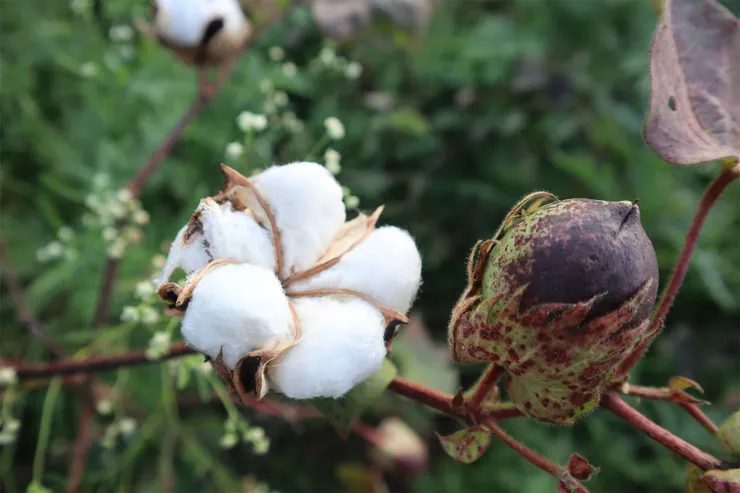
Cotton isn’t just a fabric. It’s an agricultural juggernaut. The fibers come from plants in the genus Gossypium. These shrubs belong to the mallow family. They grow across most subtropical regions. The plants produce creamy white flowers. After that come small green seedpods. We call them cotton bolls. Inside, the seeds are wrapped in fiber. This thread grows from the seed’s outer skin. It packs tightly within the boll. When the plant matures, the boll bursts. Soft masses of white or yellowish-white fibers are revealed. Harvesters pick it up right then.
This is one of the world’s leading agricultural crops. It is plentiful. It is economically produced. That makes cotton products relatively inexpensive. You can make a diverse array of fabrics from it. Think apparel. Think home furnishings. Think industrial uses. The fabrics are extremely durable. They are also comfortable to wear.
Nonwoven cotton exists too. This type is made by fusing or bonding the fibers. It has specific uses. You can make disposable products. Towels. Polishing cloths. Tea bags. Tablecloths. Bandages. Disposable uniforms and sheets for hospital and other medical uses. The versatility is the point. One plant. Endless applications. But where did this dominance come from? And why does it still matter when synthetic fibers exist? The supply chain is deep. The cultural impact is heavier. And the environmental cost is complicated. You don’t just wear cotton. You live in it.