





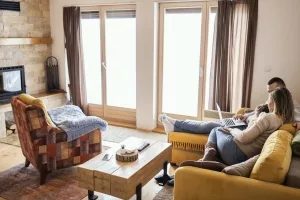
We spend more time in the living room than anywhere else in the house. Maybe even everywhere else combined. The last two years proved that point hard. Pandemic lockdowns forced us to stare at the same four walls for months on end. It wasn’t just a choice. It was a mandate. So when the doors finally opened, we didn’t want to retreat to a sterile showroom. We wanted a sanctuary.
But here is the trap. We want cozy. We also want stylish. We want “lived-in” but not “messy.” We want inviting but not cheap. It is a tightrope walk. The living room has to work as a social hub, a media center, and a relaxation zone all at once. If you get it wrong, the space feels cold. If you try too hard, it feels staged.
This year brings specific trends that actually solve this problem. They aren’t just about picking a color off a trend report. They are about functionality meeting comfort. The goal is a space that looks good on Instagram but feels even better when you are sinking into your sofa with a book.
Why the perfect living room needs to feel inviting first
Style is secondary. Comfort is primary. You can have the most expensive Italian leather sofa, but if it digs into your back after ten minutes, it’s a failure. The perfect living room prioritizes tactile experiences. Soft textiles. Warm lighting. Furniture that encourages lingering.
This shift away from rigid, formal layouts is a direct response to how we live now. We work from home. We video call. We eat dinner on the couch. The room has to adapt. It needs to be flexible.
“A room that doesn’t invite you to stay is just a hallway with furniture.”
That’s the mindset. If a guest walks in and feels awkward, the design failed. If they feel like they can take off their shoes and breathe, you are on the right track.
Which living room trends actually matter this year
There is noise in the design world. Lots of it. But a few key movements stand out for good reason. They address the need for warmth and structure simultaneously.
- Warmth over minimalism. The era of stark, empty spaces is fading. People are adding layers. Rugs on rugs. Textured throws. Wood tones that feel natural, not polished to a high shine.
- Curved furniture. Sharp corners feel aggressive. Curved sofas and rounded coffee tables soften the visual edge. They also make the room feel more open and easier to navigate.
- Biophilic elements. Plants aren’t just decoration. They improve air quality and reduce stress. Integrating greenery into the living room isn’t a trend; it’s a health choice.
- Multifunctional storage. Clutter kills coziness. Hidden storage keeps the space looking clean without sacrificing utility.
These aren’t random choices. They are responses to a desire for calm. In a chaotic world, the living room should be the one place that feels controlled and gentle.
Where to start if you want a stylish yet comfortable space
Don’t overhaul everything at once. That is expensive and exhausting. Start with the foundation. The sofa. It anchors the room. Choose something deep enough to sit back in, not just perch on.
Next, look
Why the Big Sofa Trend Actually Makes Sense
The living room isn’t really about the walls. It’s about the center of gravity. That’s the sofa. You want to sink into it. You want to disappear for an entire season of your favorite show without feeling cramped. Big sofas aren’t just a vanity metric for space; they are the definition of Gemütlichkeit. Comfort first. Looks second, but still important.
If you have the square footage, a large sectional or oversized lounge piece transforms the room. It signals relaxation. It says you don’t have to be stiff. But here’s the catch: you need the room for it. A massive sofa in a tiny apartment just feels like clutter. Measure twice. Buy once.
Sustainable Living Room Materials That Don’t Look Like Crutches
Green isn’t just a color choice anymore. It’s a material one. Climate change hits the wallet and the conscience, so why not make your furniture part of the solution? You don’t have to live in a tent to be eco-conscious.
Wood is the obvious pick. But not just any wood. Look for fast-growing varieties sourced regionally. Less transport means less carbon. Then there’s the plastic question. Recycled plastics are making a comeback in high-end furniture frames and legs. It’s not the cheap, brittle stuff of the 90s. It’s durable. It’s clean.
Check the labels. The Blue Angel (Blauer Engel) seal is a reliable indicator in German-speaking markets, but similar certifications exist globally. They prove the materials meet strict environmental standards. It’s not about being perfect. It’s about being intentional.
Modular Furniture: The Answer to Small Spaces and Changing Lives
Rigid furniture is dead. Or at least, it’s losing relevance. Life changes. So should your living room. Modular furniture solves the biggest problem in interior design: adaptability.
A coffee table today might need to be a desk tomorrow. A two-seater might need to become a three-seater when your sister visits. Modular systems allow you to expand, contract, or reconfigure without buying new items. It’s flexibility built into the joinery.
The best furniture doesn’t just sit there. It works with your life, not against it.
This isn’t just for minimalists. It’s for anyone who hates being stuck. If your space is tight, or your habits shift, modular pieces save you money and sanity. You’re not committed to a single layout. You’re building a system.
Why geometric patterns are taking over living rooms
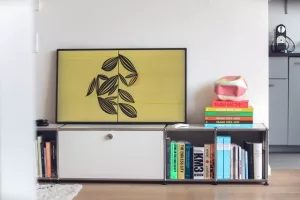
There’s a shift happening. Clean lines and sharp shapes are replacing the soft, organic curves that dominated interiors just a few years ago. No more floral chaos. We’re seeing grids, hexagons, and distinct geometric forms everywhere.
Why? Because we live online.
The digital world feels rigid, pixelated, structured. Geometric decor bridges that gap between the screen and the sofa. It’s a visual nod to the way we actually spend our time.
Color matters more than you think
White walls are boring. Let’s say it. They’re safe, yes, but they do nothing for the vibe. Adding color wakes up a room. It makes it feel lived-in.
But don’t just pick a shade because it looks good on a swatch. Think about the space.
Big rooms? Go dark. Bold. Deep blues or greens can handle the volume. Small rooms? Stick to light, muted tones. It tricks the eye into seeing more space.
If painting isn’t your thing, furniture works too. Look at what Pantone Color Institute picked for this year. It’s Very Peri. A specific shade of periwinkle blue with a hint of violet. It’s the official tone of the moment. Use it as a starting point.
Texture is making a natural comeback
Here’s the twist. While the shapes are digital and hard, the materials are soft and earthy.
We’re seeing wood grain. Stone textures. Surfaces that look like marble but don’t necessarily have to be it. It’s a contrast. Sharp geometry meets organic texture. It balances the sterile feel of modern tech with the warmth of nature.
Your comfort beats trends every time
All this advice? It’s useless if you hate the result.
Trends are just suggestions. They’re inspiration, not rules. If a room feels off, no amount of Very Peri or geometric precision will fix it. You have to feel good in the space.
If the feeling isn’t right, change it. Ignore the trend. Make it yours. That’s the only thing that actually matters.