




Görünmezliği kimseyle paylaşmak istemezsiniz. The Invisible Man (Görünmez Adam) 2020’nin en çok konuşulan filmi oldu. Ve haklı olarak. Sadece 7 milyon dolarlık bir bütçeyle çekilen bu korku gerilimi, dünya genelinde 134,7 milyon dolar gişe hasılatı elde ederek yatırımcıyı devlete döndürdü. Başka bir deyişle, düşük bütçeli korku filmleri için altın standart olabilecek bir başarı sergiledi.
Peki bu kadar çok izlenmesinin arkasında ne var?
Vizyon Tarihi ve İzleme Deneyimi
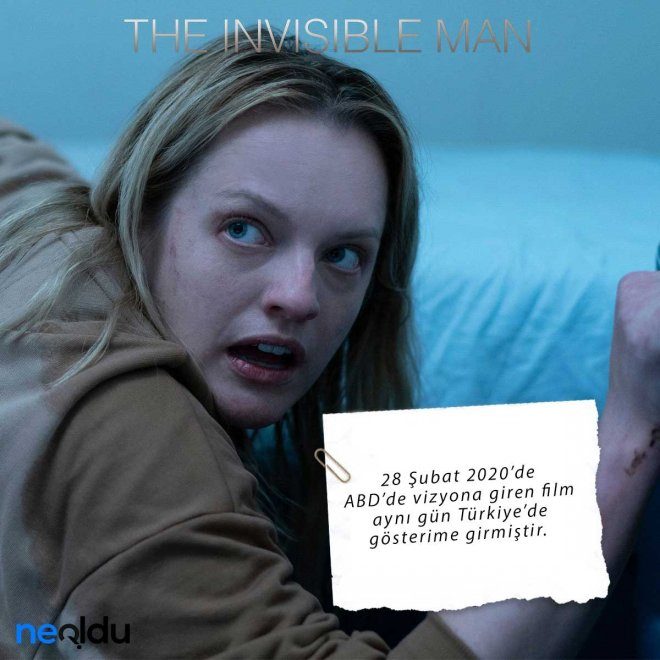
Film, ABD’de 28 Şubat 2020’de sinemalara girerken Türkiye’de de aynı gün vizyona girdi. Bu senkronizasyon, filmi o dönemin en güncel kültürel olaylarından biri haline getirdi. 125 dakika (2 saat 5 dakika) süren yapım, izleyiciyi nefesini tutarak ekrana kilitlemeyi başardı.
Tartışmasız kalite standartlarına sahip bir yapım olarak öne çıkıyor. Özellikle modern korku severler için kaçırılmaması gereken bir deneyim sunuyor.
Neden Bu Kadar Önemli?
The Invisible Man, sadece bir hayalet hikayesi değil. Kontrol, istismar ve psikolojik baskı temalarını işliyor. Elisabeth Moss’un başrolünde olduğu bu film, jenerasyonun en güçlü kadın protagonistlerinden birini izleyiciyle buluşturuyor.
“Görünmez bir düşmanla yüzleşmek, aslında görünmeyen bir travmayla yüzleşmekten farksızdır.”
Oyuncu Kadrosu ve Yaratıcı Ekip
Filmin arkasındaki isimler de başarıda pay sahibi. Leigh Whannell hem yönetmenlik hem de senaristlik koltuğunda oturuyor. Whannell, Saw serisinden tanıdığımız bir isim olarak bu projeyle kendi tarzını daha da netleştirdi.
Başrol Oyuncuları:
* Elisabeth Moss: Cecilia Kass karakterini canlandırıyor. Soğukkanlı, zeki ve hayatta kalmaya odaklı bir performans sergiliyor.
* Oliver Jackson-Cohen: Adrian Griffin rolünde. Manipülatif, kontrolcü ve tehlikeli bir karakter.
* Harriet Dyer: Sydney olarak karşımıza çıkıyor. Cecilia’nın en yakın arkadaşı ve destekçisi.
* Aldous Hough: Tom olarak yer alıyor.
Konusu Ne?
Cecilia Kass, yıllardır fiziksel ve duygusal istismara maruz kalan bir kadın. Eşi Adrian Griffin, zengin ve etrafında her şeyin kontrolünü sağlayan bir bilim insanı. Bir gün Adrian’ın intihar ettiğini ve kendisine büyük bir miras bırakt
Why the Fast & Furious Teaser Stats Tell a Different Story
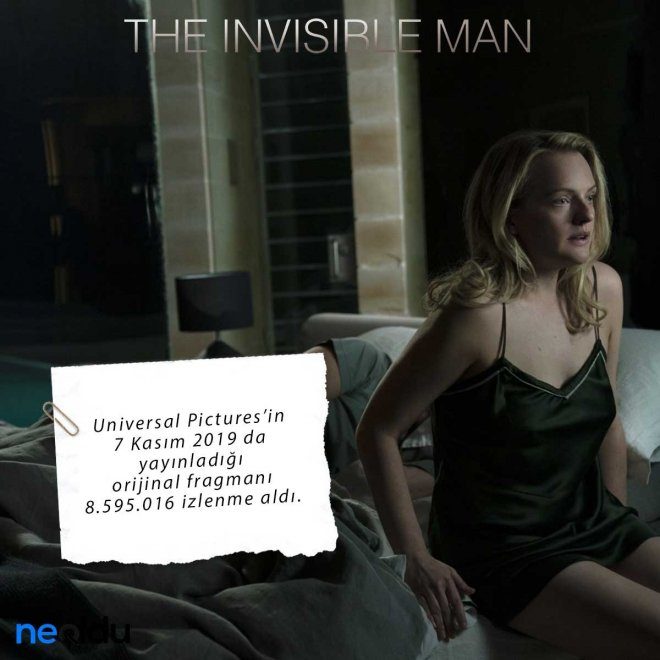
The numbers tell a straightforward tale of anticipation. Universal Pictures dropped the original trailer on November 7, 2019. It hit 8,595,016 views fairly quickly. Not bad. But it was the next move that really shifted the gear.
On February 7, 2020, the studio released a second trailer via their official YouTube channel. This one didn’t just match the first. It eclipsed it. The view count jumped to 10,112,973.
That spike wasn’t random. It signaled that the hype was building, not plateauing. Fans were clicking. They were waiting. The gap between the two releases proved that the franchise still had enough pull to double down on interest rather than let it fade.
Leigh Whannell’in Yönetmenliği ve Elisabeth Moss’un Başrolü
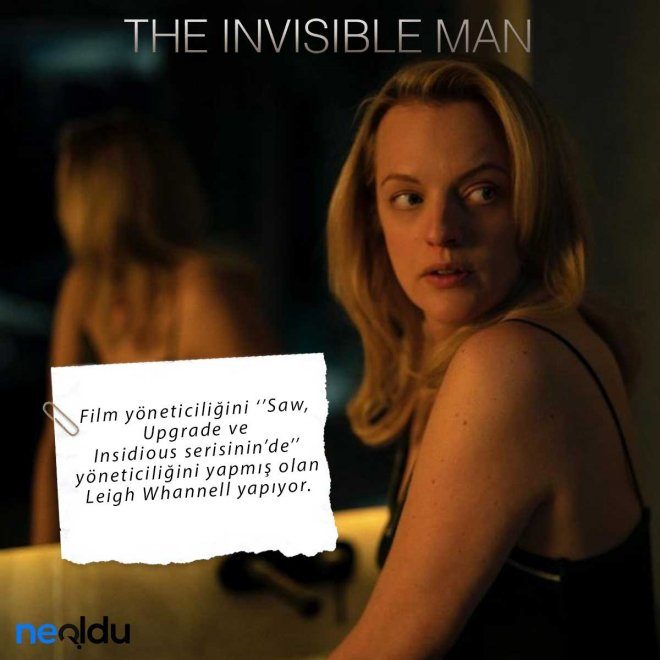
Bu projenin arkasındaki yaratıcı güç oldukça güçlü bir geçmişe sahip. Yönetmen koltuğunda, Leigh Whannell oturuyor. İsim, Saw serisinin erken döneminden Upgrade ’e, hatta Insidious ’un ilk filmlerine kadar uzanan bir korku ve gerilim repertuvarına sahip. Whannell, sadece yönetmen değil, filmin senaryosunu ve öyküsünü de kendisi kaleme alıyor. Bu da hikayenin tonunun, vizyoner bir elden tek bir kaynaktan aktığını gösteriyor.
Yapımcılık tarafında ise işler daha da genişliyor. Jason Blum ’un imzası altında, Out, The Purge ve Halloween gibi kült yapımların arkasındaki Blumhouse Productions stüdyosunun gücü devreye giriyor. Blum’un yanında Kylie du Fresne de ortak yapımcı olarak yer alıyor.
Görsel odak ise Elisabeth Moss. Başrolü üstlenen Moss, The Handmaid’s Tale ile tanınan, ancak sinemadaki performanlarıyla da ciddi saygı gören bir isim. Whannell’ın senaryosu ile Moss’un performansı arasındaki kimlik, filmin en büyük merak konularından biri.
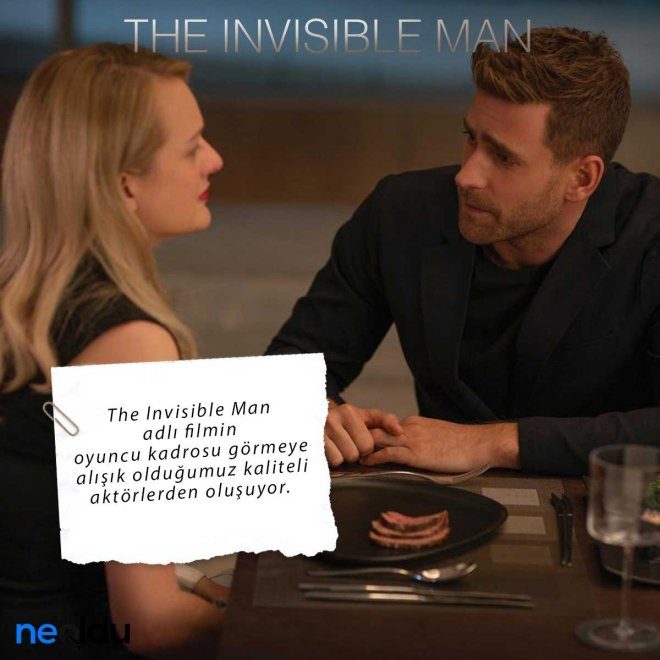
You know the drill. When a studio slaps together a horror remake, you usually get a mix of recognizable faces and fresh unknowns hoping to break out. The 2020 adaptation of The Invisible Man didn’t play that game. It went straight for the jugular by assembling a cast that actually carries the weight of the narrative. We aren’t talking about generic scream-queen archetypes here. We are talking about actors who can make you believe the terror is real, even when you can’t see it.
Elisabeth Moss steps into the shoes of Cecilia Kass. If you remember her from The Handmaid’s Tale, you know she excels at portraying women pushed to the brink of sanity by systemic abuse. Here, that dynamic is interpersonal and intimate. She plays a woman trying to escape a controlling genius. Her performance is quiet, restrained, and utterly convincing. You feel her isolation.
Who is playing Adrian Griffin?
Oliver Jackson-Cohen takes on the role of Adrian Griffin. He is the ex-boyfriend who everyone thinks is dead. He returns from the dead claiming he has mastered invisibility. Jackson-Cohen brings a chilling charm to the villain. He isn’t a cartoonish monster. He is calculating. He is wealthy. He is terrifyingly plausible. The chemistry between him and Moss is uncomfortable in the best way possible.
The supporting cast grounds the story in reality. Harriet Dyer plays Emily Kass, Cecilia’s sister. Emily is the skeptic. She is the voice of reason that everyone ignores until it is too late. Dyer captures that specific frustration of watching someone you love make dangerous choices while feeling powerless to stop them.
The Lanier family dynamic
Aldis Hodge appears as James Lanier. He is Cecilia’s new partner. Hodge brings warmth and stability to the film. He is the safe harbor. But in a horror movie, safety is an illusion. His presence highlights what Cecilia has lost and what she is fighting to reclaim.
Storm Reid joins as Sydney Lanier, James’s daughter. Reid plays the stepdaughter who is still figuring out her place in this new family. Her relationship with Cecilia is complex. There is suspicion. There is also a growing bond. Reid handles the emotional nuance with impressive maturity for her age.
Secondary characters and behind the scenes
Michael Dorman plays Tom Griffin. He is Adrian’s assistant. Tom is loyal to Adrian but increasingly uneasy about the demands placed on him. Dorman portrays that creeping moral discomfort perfectly. He is caught between fear and loyalty.
Benedict Hardie appears as Marc. He is part of Adrian’s inner circle. Hardie adds another layer of menace. He is the muscle. He is the enforcer. His presence reminds us that Adrian has resources and reach.
Renee Lim plays Doctor Lee. She is the medical professional who examines Cecilia. Lim brings clinical detachment to the role. Her character represents the institutional failure to see the abuse for what it is. The system looks at Cecilia and sees a patient. It doesn’t see a victim.
This ensemble works because no one is wasted. Even the smallest roles feel intentional. The film relies on their performances to sell the central conceit. Without them, the invisible man is just a CGI effect. With them, he is a metaphor. He is the embodiment of gaslighting. He is
The Anatomy of Control in Pieces of a Woman (2020)
The camera lingers. Not on the spectacle, but on the aftermath.
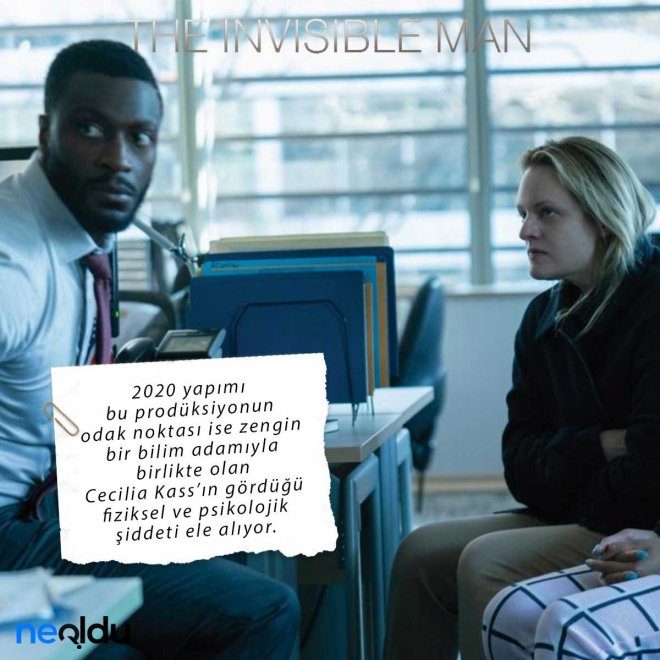
In Vanessa Kirby ’s Cecilia Kass, we don’t just see a grieving mother. We see the slow, suffocating architecture of abuse. The 2020 production, directed by Kornél Mundruczó, strips away the melodrama of traditional grief narratives. What remains is stark. Brutal. Real.
Cecilia’s partner, the wealthy, powerful scientist Dr. Martin Weiss, played by Shia LaBeouf, isn’t a mustache-twirling villain. That would be too easy. Too cinematic. His violence is quieter. More insidious. It hides in the gaps between sentences. In the way he controls the narrative of their lives. In the way he manipulates the medical professionals in the hospital room.
This isn’t just a story about a botched home birth. It’s about gaslighting disguised as care. It’s about how privilege can weaponize vulnerability.
Why The Home Birth Scene Matters
The opening sequence, a nearly twenty-minute unbroken shot of Cecilia’s labor, is legendary. Not for its technical prowess alone, but for what it establishes: agency. Cecilia wants to birth her baby at home. On her terms. Martin resists. He argues for the hospital. For safety. For control.
He wins.
The hospital room becomes a cage. The doctors, swayed by Martin’s wealth and confidence, dismiss Cecilia’s pain. They dismiss her instincts. She is treated as an object to be managed, not a person to be heard. When the tragedy strikes, the system doesn’t fail because it’s incompetent. It fails because it sides with the man who pays the bills and speaks the language of power.
The Psychological Toll
After the loss, the physical wounds heal. The psychological ones fester.
Martin’s abuse shifts from physical coercion to emotional erosion. He blames Cecilia. He blames the midwife. He blames the universe. But mostly, he blames her for his own guilt. Cecilia, isolated and shattered, begins to doubt her own memory. Her own grief.
This is the core of the film’s power. It explores how abusers rewrite history. They make the victim question their reality. In Cecilia’s case, the betrayal isn’t just that her husband killed their child through negligence (or malice?). It’s that he convinced her she was at fault.
A Critique of Male Entitlement
Shia LaBeouf ’s performance is chilling precisely because it’s so mundane. Martin doesn’t yell. He sighs. He checks his watch. He talks about his career. His work on DNA technology. His need for legacy.
The film suggests that for men like Martin, children are extensions of their ego. Not individuals. When the child dies, the ego breaks. And when the ego breaks, the abuser turns on the partner. Because the partner is the reminder of the failure.
Cecilia fights back not with fists, but with truth. She seeks accountability. She demands an autopsy. She forces Martin to confront the consequences of his actions. But the legal system is built for men like him. It is slow. It is
Escaping the Nightmare: How Cecilia Fights Back
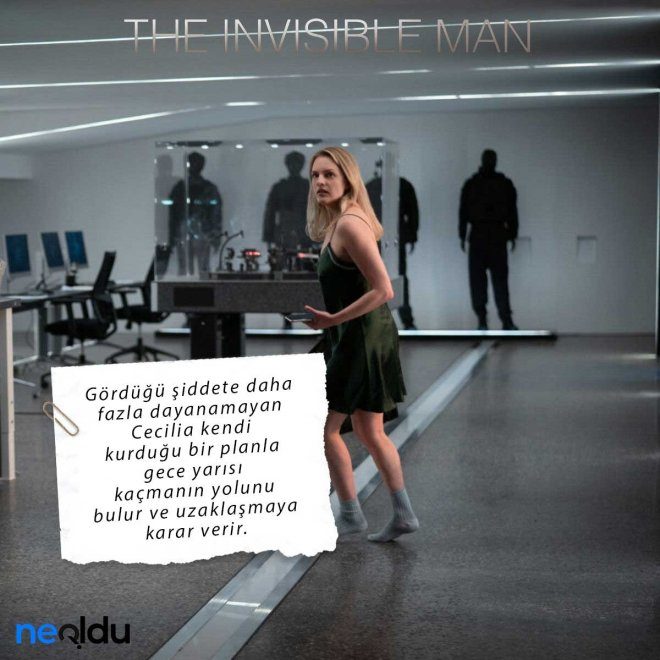
The tension snaps. Cecilia can no longer stomach the brutality surrounding her. She stops waiting for rescue and starts engineering her own exit. It’s a calculated risk, a plan hatched in the dead of night with the sole purpose of getting out. But there’s a catch. She’s terrified her ex, the architect of her misery, will track her down before she’s safe.
That fear changes everything. She can’t go it alone.
Enter her younger sister and their oldest friend. These aren’t just side characters; they’re the lifeline. The group dynamic shifts from victim to resistance. They’re piecing together a route out, a way to slip away while the predator is distracted or off-guard. It’s desperate, it’s messy, and it’s the only chance they have.
The film doesn’t hold your hand through the logistics. Instead, it forces you to watch the psychological fracture in real-time. You see the strain on her face. You feel the paranoia setting in. How far will she go? What happens when the person trying to save you is already breaking under the weight of the trauma?
You’ll find out as the clock ticks down. The question isn’t just if she escapes. It’s what she becomes in the process.
Let’s be honest. The slate of recent releases has been a bit of a mixed bag. You scroll through the options and it’s mostly the same recycled plots or flashy spectacles with nothing behind them. But then there is this one outlier. It didn’t get the marketing blitz of a blockbuster, yet it managed to carve out a serious spot for itself.
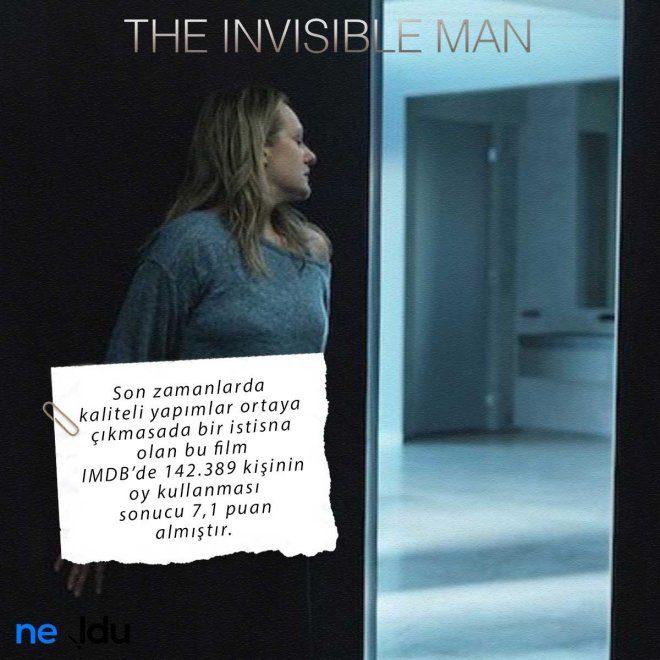
With a solid 7.1 out of 10 on IMDB, based on over 142,000 verified votes, the audience reception tells a specific story. It’s not a casual favorite; it’s a film that people actually debated, rated, and remembered. That number isn’t just a statistic. It represents a consensus among a massive chunk of viewers who are usually hard to please.
But the real kicker? Rotten Tomatoes gave it a 91% critics’ score.
That 91% match rate is the kind of data that gets a movie into serious conversations. It’s the difference between “hey, that was okay” and “we need to talk about this film.” Crossing that threshold means it has earned its place in the list of high-quality films for critics and fans alike. It’s rare to see a movie bridge the gap between critical acclaim and general audience approval so cleanly, especially in a season where quality feels like a scarce resource.
HG Wells’in 1897 tarihli orijinal eserinde, görünürlüğün yokluğu bir lütufdan ziyade bir lanet. Bilim insanlığı değil, bencillik ve ahlaki çöküş. Hollow Man (2000) gibi sinematik uyarlamalar bu temayı daha da ileri taşıyarak, görünmezliğin cinsel şiddet ve delilikle eş anlamlı olduğunu savundu. 2020’deki remake ise bunu modern bir cinsel travma hikayesine dönüştürdü.
Cecilia Kass’ın (Elisabeth Moss) planı basit: Öfkeli, kontrolcü ve optik alanında öncü bir bilim insanı olan Adrian Griffin’dan (Oliver Jackson-Cohen) kurtulmak. Ona ilaç verip yüksek teknolojili evlerini terk ederken, kız kardeşi Emily (Harriet Dyer) ve Emily’nin kızı Sydney (Storm Reid) ile birlikte güvenlikli bir sığınağa çekilir. Cecilia, Adrian’ın onu bulamayacağından emindir. Ama zihnindeki agorafobi ve paranoya, gerçeği gören tek şey olarak duruyor.
Eleştiriler: Senaryo Boşlukları ve “Akıllı Telefon Eksikliği”
Filmin teknik kalitesi tartışmalı. İlk üçte birinde marjinal bir gerilim var. Sonraki kısımda ise bilim kurgu komedisi havası girmeye başlıyor. Mantıksal boşluklar göz ardı edilemez. Kameralar sessiz. Süper su geçirmez. Boya bile leke tutmuyor. Çocukların cinayet konusunda altıncı sezisi var.
Günümüzde, akıllı telefon kullanılmaması büyük bir senaryo hatası. Görünmez adamdan kanıt toplamak için kamera kullanmak yerine Cecilia’nın neden her zaman en karanlık köşede titrediğini anlamak zor. Bu, sadece bir film kuralı değil, izleyici beklentisi.
“Dürüst olmak gerekirse, bu kadar kötü yazılmış bir senaryonun bu kadar övgü aldığı bir çağda yaşamak beni üzüyor.”
Bazı izleyiciler için film, 30. dakikadan sonra çıkılmak istenen bir işkenceydi. Ancak asıl şok, film bittiğinde eklenen dördüncü perdede geldi. Elisabeth Moss’un performansı, senaryonun ağırlığını omuzlarında taşıdı.
İzleyici Gözüyle: Korkunç mu, Harika mı?
Bazıları için atmosfer yoğun, sinematografi etkileyici. Fragmanlar, filmin her şeyi ifşa ettiğini düşündürüyor. Ama gerçek film, bağlam ve kurulumlarla farklı bir deneyim sunuyor. Fragmanda görmediğiniz detaylar, gerilimi katlayarak arttırıyor.
“Bu, gördüğüm en rahatsız edici Görünmez Adam versiyonu.”
Hikaye, başta bilim kurgu gibi görünmüyor. İçsel bir çatışma. Bir şeyler tüyler ürpertici hale geldiğinde, suçlu sizmişsiniz gibi hissediyorsunuz. Görünmezlik mekanizması, geçmişteki iksirler veya elektrokimyasal süreçlerden farklı. Bu da filmi benzersiz kılıyor.
Elisabeth Moss: Cecilia Kass Olarak
40’ın üzerinde yapımda yer alan Moss, 38 yaşında. Mad Men ile tanındı. The Handmaid’s Tale ve Shirley ile prestijini pekiştirdi. Cecilia Kass rolü, onun için bir sıçrama tahtası değil, var olan yeteneğini kanıtlayan bir durak.
“Şaşırtıcı derecede harika… Yılın (şimdiye kadar) en iyi korku/gerilim filmi.”
Ocak ayındaki diğer korku filmlerinden gelen başarısızlıklara rağmen, bu film gerekli bir temiz hava soluğu oldu. Sıkı gerilim. Beklenmedik kıvrımlar. Elisabeth Moss’un performansı mükemmel.
Adrian’ın görünmez olmasıyla ilgili mekanizma, diğer filmlerdekinden farklı. Bu da filmi benzersiz kılıyor. Hikaye, başta bilim kurgu gibi görünmüyor. İçsel bir çatışma. Bir şeyler tüyler ürpertici hale geldiğinde, suçlu sizmişsiniz gibi hissediyorsunuz.
“Bu film sürükleyici, yoğun ve ustalıkla hazırlanmış.”
Fragman, her şeyi gösteriyor gibi yapıyor. Ama film, izleyiciyi geride bırakıyor. Cecilia’nın savunmasızlığı, açık alanlarda vurgulanıyor. Bu, izleyiciyi geride bırakıyor. Cecilia’nın savunmasızlığı, açık alanlarda vurgulanıyor.
Adrian’ın görünmez olmasıyla ilgili mekanizma, diğer filmlerdekinden farklı. Bu da filmi benzersiz kılıyor. Hikaye, başta bilim kurgu gibi görünmüyor. İçsel bir çatışma. Bir şeyler tüyler ürpertici hale geldiğinde, suçlu sizmişsiniz gibi hissediyorsunuz.
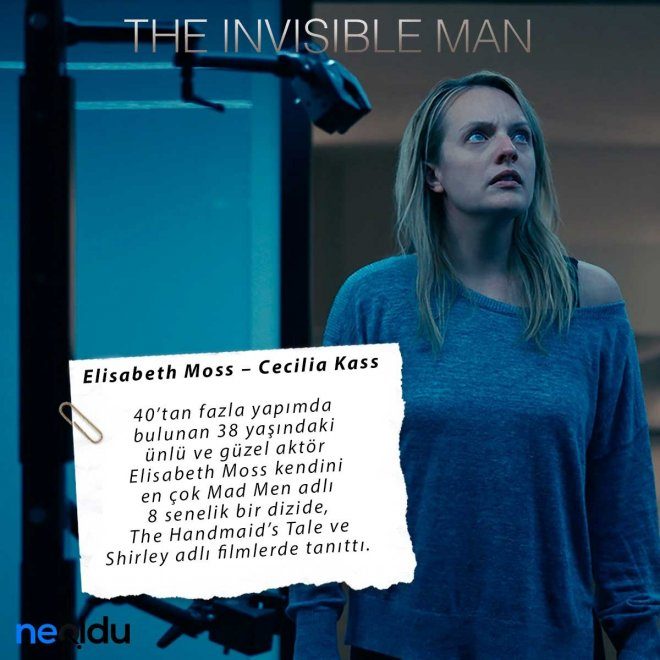
Oliver Jackson-Cohen – Adrian Griffin
35 yaşındaki yakışıklı oyuncu, Faster, Emerald City, The Haunting of Bly Manor ve The Haunting of Hill House yapımlarıyla dünyada dikkat çekmeyi başardı. Bu zamana kadar 25’ten fazla yapımda rol aldı.
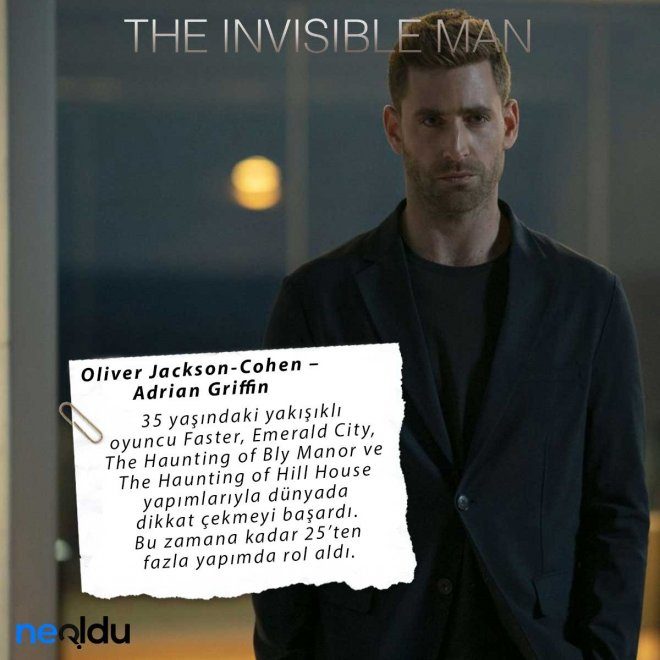
Harriet Dyer: Why the ‘Invisible Man’ Star is Dominating the AACTA Awards
She’s been haunting screens since The Invisible Man, but Harriet Dyer is finally getting the mainstream pop-culture spotlight she arguably earned years ago. The 32-year-old Australian actress has been nominated for the Newcomer of the Year award at the AACTA Awards, a recognition that feels less like a surprise and more like a correction.
For fans who tracked her work in The In Between or the gritty thriller Killing Ground, this isn’t a random shout-out. It’s a validation of a specific kind of quiet intensity that Dyer brings to every frame.
How Harriet Dyer Built Her Reputation
You might know her from the high-concept horror of The Invisible Man. She played Cecilia, a woman trapped in a relationship with a man who could literally disappear. The performance was physically demanding, relying heavily on reaction shots and visceral fear rather than dialogue. It was the kind of role that doesn’t get flashy awards chatter but keeps audiences on the edge of their seats.
Then there’s The In Between. Here, she explored a different frequency. Playing a woman navigating life after death, the role required a softer, more ethereal touch. It proved she isn’t just a scream queen. She can handle the emotional weight of supernatural drama without losing her grounded humanity.
Her filmography reads like a masterclass in genre versatility:
– Horror: The Invisible Man
– Sci-Fi Drama: The In Between
– Gritty Thriller: Killing Ground
Why This Nomination Matters
The Graham Kennedy Award for Newcomer of the Year at the AACTA Awards isn’t just about box office numbers. It’s about impact. It’s about who is making audiences look up from their phones. Dyer’s work sits at that intersection of indie credibility and commercial appeal.
Critics often debate whether horror leads to typecasting. Dyer seems determined to shatter that stereotype. Each role she takes feels like a deliberate step away from being pigeonholed. She’s not just acting; she’s curating a career that refuses to be defined by a single genre.
Where She Goes From Here
The industry is always watching for the next big thing. But with nominations like this, the conversation shifts from “who is she?” to “what has she done?” The answer is a growing list of roles that demand everything from the performer.
The AACTAs are just the latest milestone. The real story is how Dyer continues to evolve, moving from a recognizable face in a blockbuster to a leading woman with serious artistic clout. The question isn’t if she’ll stay relevant. It’s whether the industry can keep up with her trajectory.
There’s a certain momentum building here. One that suggests her best work might still be ahead of her. Or maybe it’s already here, and we’re just starting to notice.
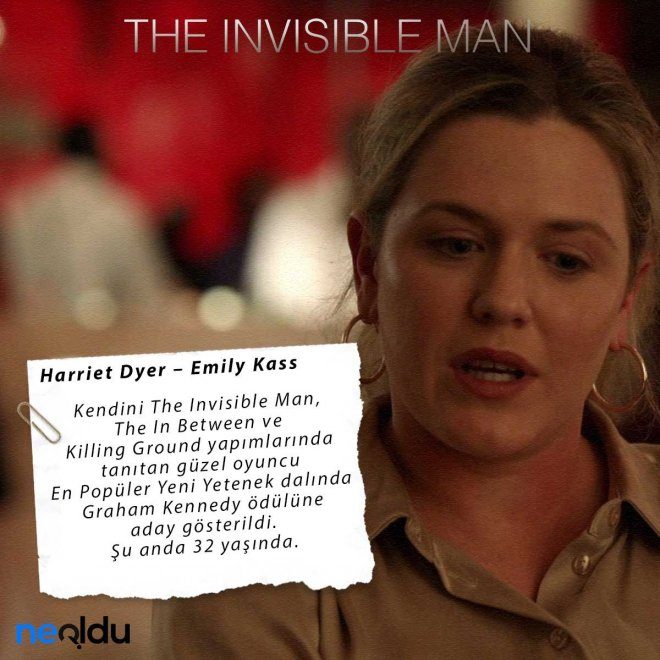
Aldis Hodge Steps Into the Spotlight as James Lanier
You probably recognize the face, even if the name doesn’t click immediately. Aldis Hodge has been working steadily for years, building a resume that spans blockbuster thrillers to beloved TV series. Now, he’s taking on the role of James Lanier, a part that places him squarely in the center of another high-stakes narrative.
Hodge first caught widespread attention with his breakout performance in The Invisible Man, a role that showcased his ability to anchor a suspenseful, character-driven film. But his career didn’t start or stop there. Audiences may also remember him from What Men Want, where he held his own in a comedy setting, or from the four-year run of Leverage. That show, which aired from 2008 to 2012, allowed him to display a range that went far beyond the typical action hero. He played a complex figure within a crew of con artists, proving he could handle long-form storytelling with nuance.
The 34-year-old actor (at the time of this specific project’s prominence) has consistently chosen roles that challenge stereotypes. In The Invisible Man, he wasn’t just a prop; he was the emotional core. Now, stepping into the shoes of James Lanier, he continues to prove why he’s one of the most reliable and versatile actors working today. It’s not just about fame. It’s about craft. And Hodge has it in spades.
He doesn’t need the spotlight to shine. He brings it with him.
Why does this matter? Because in an industry that often typecasts Black actors, Hodge has carved out a space for himself that is defined by versatility. From the heist dynamics of Leverage to the psychological horror of The Invisible Man, and now to James Lanier, he avoids the easy labels. He’s not just “the guy from that show.” He’s a serious actor with a keen eye for material.
Fans of Leverage will appreciate the return to that kind of ensemble energy, even if the genre shifts. There’s a familiarity in his work ethic, a quiet intensity that grounds whatever project he’s in. It’s the kind of performance that doesn’t shout for attention but demands you watch.
Is he the next big thing? He’s already been here. The question is whether you’ve been paying attention. With James Lanier, the answer seems to be leaning toward yes.
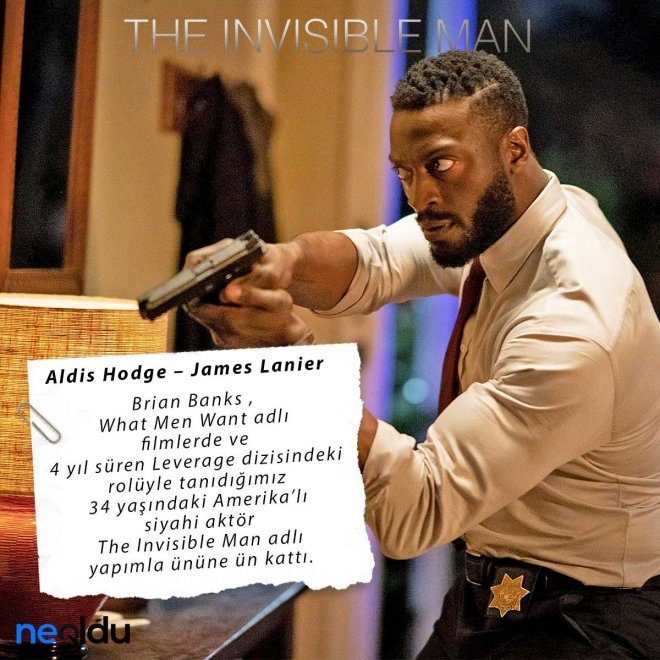
The clock struck midnight on February 28, 2020. The world was already holding its breath, though no one knew what for. That was the day the lights went out in The Invisible Man.
Not the metaphorical kind. The literal kind.
Closely wrapped in the shadows of horror, mystery, and sci-fi, the film didn’t just arrive. It stalked into theaters with a quiet, terrifying precision. It wasn’t about ghosts. Ghosts are easy. Ghosts are old news. Ghosts don’t have access to your bank account or your security cameras.
The Horror of Being Watched
Leigh Whannell knew exactly what to do with H.G. Wells’ classic source material. He stripped away the Victorian brass and goggles. What remained was pure, unadulterated paranoia.
The story follows Cecilia Kass. She escapes an abusive relationship with Adrian Griffin, a wealthy tech billionaire. He’s charming. He’s rich. And he’s dangerous. When he dies in a staged suicide, everyone believes her. Everyone except Cecilia.
She starts to see things. A shadow moving against the wind. A hand brushing her shoulder when the room is empty. Is she crazy? Or is he still there?
The answer, of course, is both.
Adrian has discovered invisibility technology. He’s been hiding in plain sight. Watching. Waiting. The horror isn’t just the violence. It’s the violation. It’s the knowledge that someone is always watching you. Always.
Why It Worked
The film tapped into a cultural nerve. 2020 was the year of isolation. Of being trapped in houses with people we didn’t choose. The idea of an invisible stalker resonated deeply. It wasn’t just a monster movie. It was a metaphor for domestic abuse. For gaslighting. For the fear of not being believed.
Cecilia isn’t a victim. She’s a survivor. And she’s fighting back.
The effects were subtle. Real. No CGI monsters jumping out from behind corners. Just empty space. Just the feeling that you’re not alone. That’s scarier.
The Sci-Fi Element
The science behind the invisibility is thin, sure. But it’s grounded enough to be believable. Adrian’s lab is filled with prototypes. With failed attempts. With the cost of progress.
The film asks questions. What happens when technology outpaces ethics? When privacy becomes a commodity? When the people we trust are the ones watching us the most?
It doesn’t answer them. It just shows us the cost.
The Verdict
The Invisible Man was a surprise hit. Critics loved it. Audiences flocked to it. It wasn’t just a movie. It was an experience. A reminder that the scariest monsters aren’t under the bed. They’re in the room with you. And they’re invisible.
The date was Feb 28, 2020. The genre was horror, mystery, sci-fi. But the feeling? That was timeless.
It ended with a bang. A gunshot. A body falling. But the silence that followed was louder.
Was it over?
Nobody knows.