





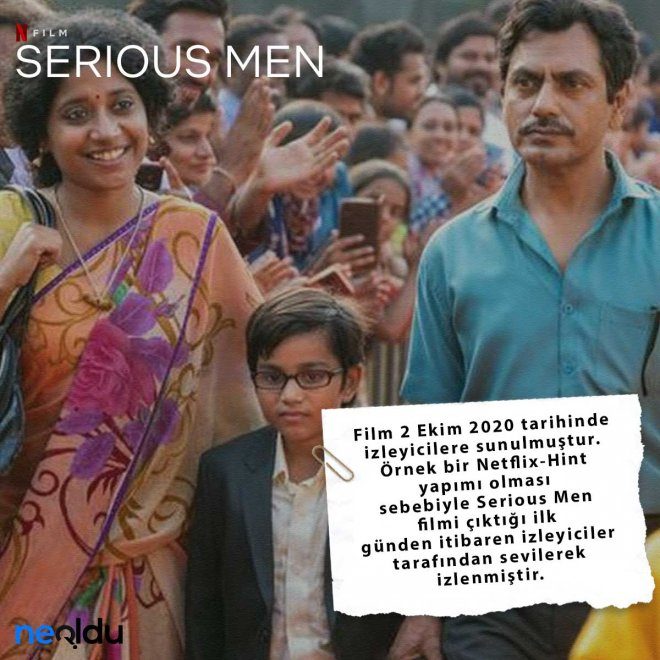
It’s October 2020. The world is still adjusting to a new normal, and Netflix drops a Hindi-language drama that quietly starts eating up screen time. No, it’s not another superhero spectacle. It’s Serious Men, a film that has slowly built a devoted audience since its release. If you’ve been wondering what the hype is about, or if this specific Bollywood gem is worth your evening, you’re in the right place.
This isn’t just another summary. It’s a breakdown of what actually happens, who drives the chaos, and why people can’t stop talking about it.
What Makes Serious Men Stand Out?
The film landed on the streaming platform on October 2, 2020. That date matters because it arrived when viewers were desperate for something grounded, something real. As a Netflix-Hindi production, it didn’t need a theatrical rollout to find its people. It found them.
Critics and audiences alike latched onto it immediately. Why? Because it tackles a classic Indian myth—the search for the fountain of youth—but filters it through the lens of modern inequality. It’s smart. It’s funny. And it’s surprisingly sharp.
The film succeeds because it treats its absurd premise with complete seriousness, letting the humor emerge from the characters’ desperation rather than slapstick.
The Cast Driving the Narrative
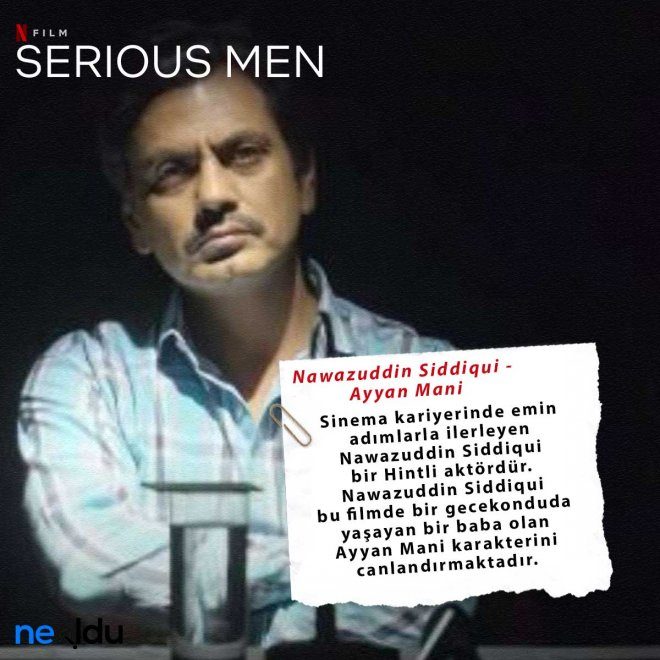
At the center of this story is Nawazuddin Siddiqui, playing Ayyan Mani. If you know Siddiqui, you know he can deliver a performance that is both heartbreaking and hilarious in the same breath. Here, he plays an auto-rickshaw driver and amateur scientist living in Mumbai. He’s tired. He’s broke. He has a son who is smart, curious, and desperate to escape their circumstances.
Opposing him is Nassar as Dr. Arvind Acharya. Acharya is the establishment. He’s the wealthy, privileged scientist who is also looking for the fountain of youth, but from a place of vanity rather than survival. The clash between these two men isn’t just physical; it’s ideological.
What Are People Saying?
The audience response has been consistently positive. Viewers appreciate that the film doesn’t talk down to them. It respects the intelligence of its audience while delivering a story that moves at a brisk pace.
Common themes in viewer discussions include:
- The brilliant satire of Bollywood and scientific obsession.
- Nawazuddin Siddiqui’s career-best performance.
- The visual storytelling that contrasts the slums of Mumbai with Acharya’s opulent world.
It’s rare to find a film that balances social commentary with such lightness. Serious Men does exactly that. It asks you to laugh at the absurdity of the human condition, specifically the Indian condition, without losing the thread of its emotional core.
Is It Worth Your Time?
If you’re looking for high-octane action, look elsewhere. But if you want a story about fatherhood, ambition, and the lengths people will go to for a better life for their children, this is it. The film doesn’t just entertain; it provokes.
The chemistry between Siddiqui and the supporting cast creates a world that feels lived-in and authentic. You believe in Ayy
Why Serious Men is One of Netflix’s Best Recent Picks
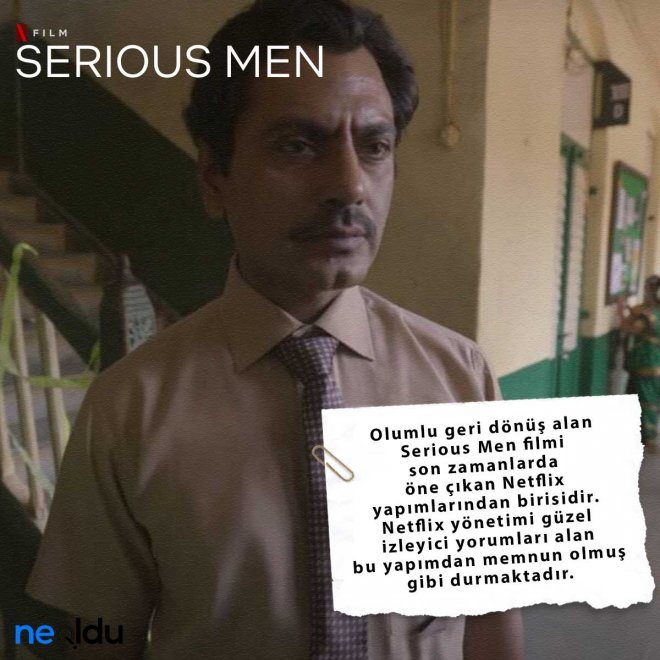
If you’ve been scrolling through your watchlist lately, you’ve probably seen Serious Men popping up everywhere. It’s not just another algorithmic suggestion; this film has actually earned its place among Netflix’s standout releases this year. The audience response hasn’t been lukewarm either. Reviewers and casual viewers alike have been posting genuine praise, noting how the story lands with both humor and heart.
Netflix management clearly sees what the viewers see. They aren’t hiding this title. Instead, they’re leaning into the positive buzz, pushing it to the forefront of recommendations for people who want something substantial but entertaining.
“The audience response hasn’t been lukewarm either. Reviewers and casual viewers alike have been posting genuine praise.”
It’s rare for a streaming giant to double down on a title based purely on organic goodwill, yet that’s exactly what’s happening here. The film’s ability to connect—bridging cultural specificities with universal themes of ambition and identity—seems to be the secret sauce. For fans looking for Netflix originals that offer depth beyond surface-level drama, this is a strong contender.
The Writers Behind the Adaptation
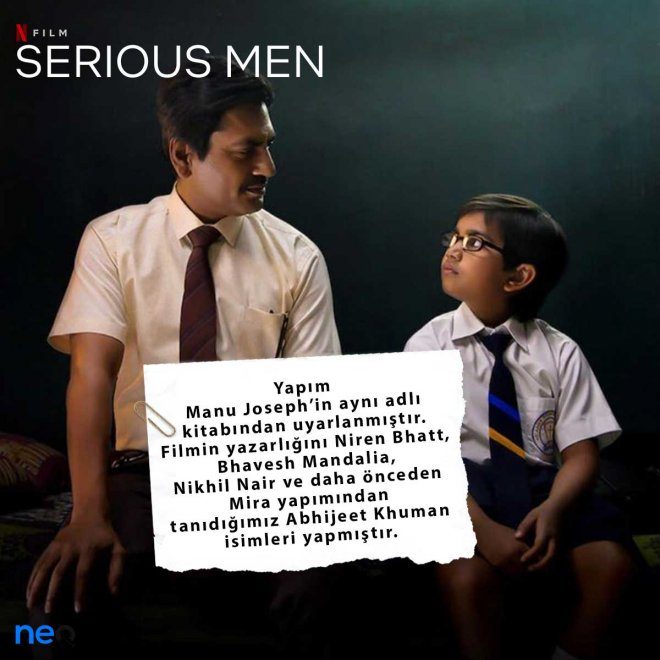
Mira Telefilms returns to the screen, this time adapting Yapim Manu Joseph’s acclaimed novel. It’s not a solo effort on the script front. The screenplay is a collaborative puzzle, assembled by a team including Niren Bhatt, Bhavesh Mandalia, and Nikhil Nair.
They’re joined by Abhijeet Khuman, who brings familiarity to the set. Fans might recognize his name from previous Mira productions, where he helped shape the narrative tone. Together, these writers tackle the challenge of translating Joseph’s complex storytelling into visual language.
The result? A script that balances literary depth with cinematic pacing. How do they handle the source material’s nuances? That remains to be seen in the final cut. One thing is certain: the foundation is built on solid, experienced hands.
Sudhir Mishra’nın Sinema Vizyonu ve Yönetmenlik Tarzı
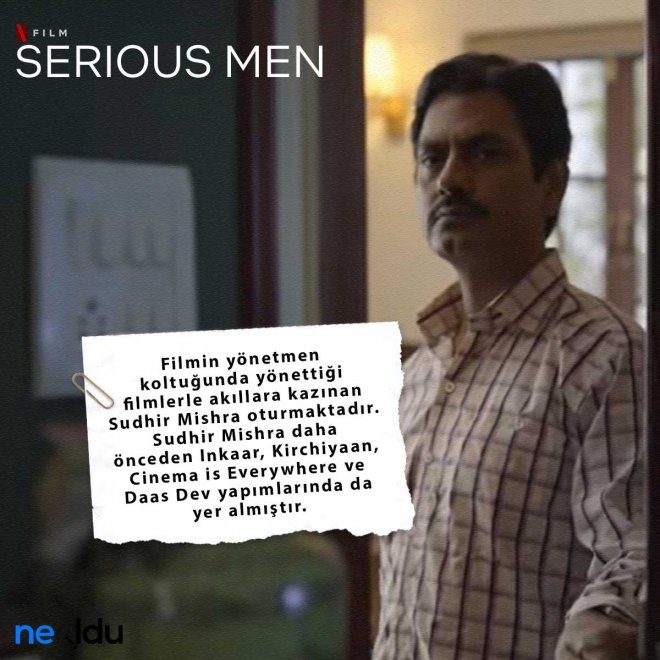
Filmin başında koltukta Sudhir Mishra oturuyor. Adı, yönettiği işlerle hafızalara kazınmış durumda. Daha önce imza attığı Inkaar, Kirchiyaan, Cinema is Everywhere ve Daas Dev gibi yapımların listesinde yer alıyor.
Bu isim neden önemli? Çünkü Mishra, Indian cinema’nın farklı katmanlarını okuyabilen bir yönetmen. Her projesinde bir öncekinden farklı bir ton, farklı bir karakter derinliği arıyor. İzleyici onu izlerken sadece hikayeyi değil, o hikayenin içindeki insanları da görüyor.
“Bir yönetmen olarak asıl görevim, sadece sahneyi kurmak değil, o sahnede nefes alan karakterlerin iç dünyasını açığa çıkarmak.”
Bu yaklaşım, filmin kendi içindeki dinamikleri de etkiliyor. Mishra’nın tarzı, izleyiciye pasif bir rol değil, aktif bir gözlemci pozisyonu veriyor. Karakterlerin kararları, eylemleri ve tepkileri üzerinden toplumsal bir yansıma da yapılıyor. Bu da izleme deneyimini daha katmanlı hale getiriyor.
Hangi yönüyle öne çıkıyor? Belki de onun en büyük gücü, diyalogların arkasındaki sessizlikleri doğru kullanabilmesi. Bazen bir bakış, bazen bir duraksama, hikayenin geri kalanından daha çok şey söylüyor. Bu da izleyicinin zihninde soru işaretleri bırakıyor. Ve işte bu sorular, filmin sonunda bile devam ediyor.
Başka ne var? Tabii ki karakterlerin değişimi. Mishra, karakterlerin nasıl şekillendiğini ve dönüştüğünü zaman içinde gösteriyor. Bu da hikayeye bir canlılık katıyor. Karakterler statik değil, akıyor. Değişiyorlar. Büyüyorlar veya küçülüyorlar. Bu akış, izleyicinin karakterlere bağlanmasını kolaylaştırıyor.
Neden bu detaylar önemli? Çünkü sinema, sadece görsel bir şölen değil. Bir duygu deneyimi. Ve Mishra, bu deneyimi yönetirken, izleyicinin duygularını da hesaba katıyor. Bazen hüzünlü, bazen umutlu, bazen de sorgulayıcı bir tonla ilerliyor. Bu ton değişimleri, filmin ruhunu yansıtıyor.
Sonuç olarak, Sudhir Mishra’nın bu filmdeki varlığı, sadece bir yönetmenlik görevinden ibaret değil. Bir sanatçı olarak kendi imzasını, hikayenin içine işlemesi. Ve izleyici, bu imzayı fark ettiğinde, filmi izlerken kendi deneyimini de yeniden değerlendiriyor.
Caste and Cosmos: The Burden of Ayyan Mani
The story centers on Ayyan Mani, a middle-aged Dalit man working as an assistant to a Brahmin astronomer.
It’s set at the Institute of Theoretical and Applied Research (ITAR) in Film Mumbai.
The dynamic is specific. Tense.
Mani keeps his head down. The astronomer holds the degree. The caste hierarchy isn’t just background noise here. It dictates who speaks, who records, and who gets credit for the stars.
Mani sees the universe differently. Not because he’s smarter. But because he’s invisible.
The institute deals with theory. With numbers that float above the ground.
Mani is stuck on the ground. Literally.
He cleans. He fetches coffee. He watches the Brahmin calculate trajectories while Mani sweeps the dust from under the telescope.
There’s a sharp contrast between the celestial and the social.
The stars don’t care about your birth.
People do.
This setup exposes the quiet violence of academic spaces. Where intellect is praised but identity is policed.
Mani’s assistant role isn’t just a job. It’s a sentence.
He knows the math better than his boss. Maybe.
But he’ll never say it.
The script uses this position to ask a simple, uncomfortable question.
Who gets to define the truth when the system is built to silence you?
Mumbai is the backdrop. A city of dreams. And debts.
At ITAR, the dreams are orbital.
The debts are social.
Mani navigates both.
Silently.
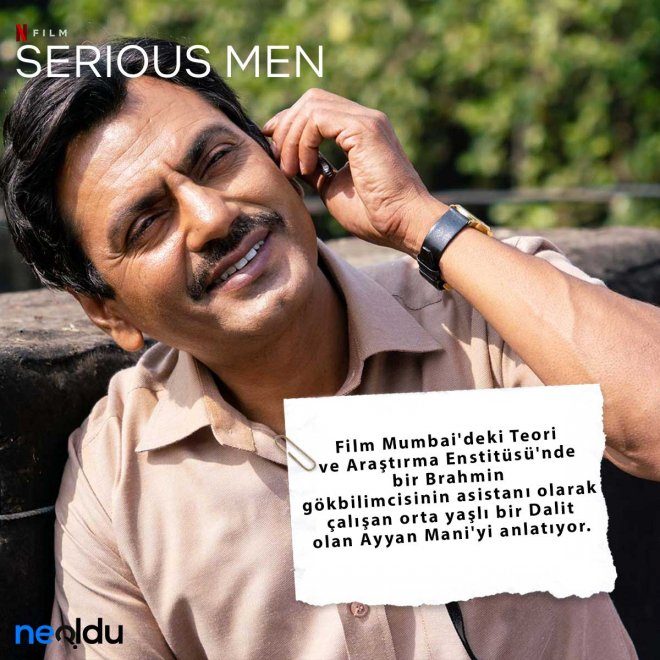
Ayyan Mani’nin Yalanı ve Gecekondudaki Hayat
Kahramanımız Ayyan Mani, bir gecekondu mahallesinde, eşi ve küçük oğluyla birlikte sıkışıp kalmış durumda. Hayatı, varlığıyla yüzleşmek istemediği bir gerçeklik gibi hissettiriyor. Onu iten şey, bu durumu kabullenememenin yarattığı öfke. Bu öfke, aklına tehlikeli bir fikir getirmesine yol açıyor. Oğlunun, tam on yaşında bir çocukken, matematik konusunda olağanüstü bir yeteneği olduğunu iddia etmek.
Bu, sıradan bir abartı değil. Bilinçli bir yalan.
Ayyan, toplumsal statüsünü yükseltmek ve kendi hayal kırıklıklarını örtbas etmek için bu sahte “deha” hikayesini uyduruyor. Oğlunun gerçek kabiliyetlerine bakmıyor. Sadece, kendisi için bir çıkış yolu oluşturan bir rol istiyor. Yalan, başlangıçta işe yarıyor. İnsanlar inanıyor. İlgi odağı oluyorlar. Ama bu yalan, kontrollere dayanamıyor.
Yalan, büyüdükçe gerçekliği yutuyor.
Hikaye kontrol dışına çıktığında, Ayyan artık o sahte dünyadan çıkamıyor. Oğlu, bu beklentiler altında eziliyor. Aile, uydurdukları imajın ağırlığı altında çöküyor. Gerçekle yalanın sınırları bulanıklaşıyor. Ayyan, başlangıçta kurtuluş sandığı yalanın, onu daha derin bir çukura sürüklediğini fark ediyor.
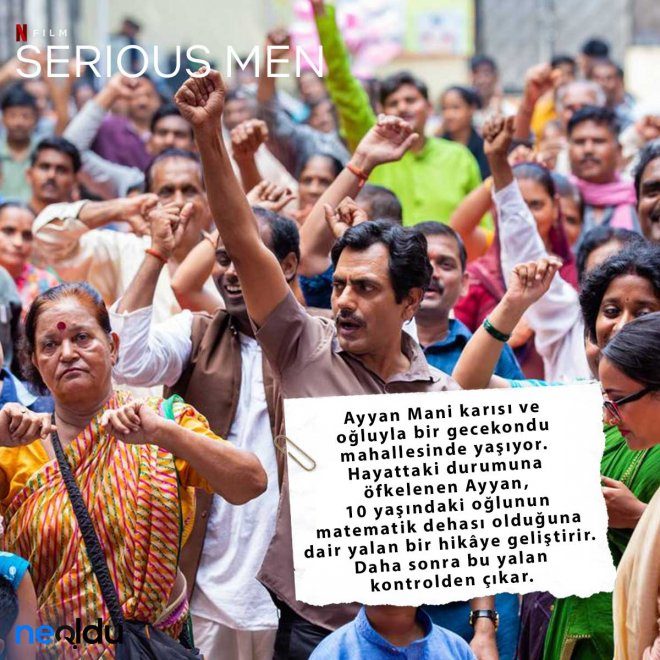
Serious Men: Dram ve Komedinin Zor Dengesi
Nadir bulunan o ince çizgide, komedi ve dramı aynı anda yakalayıp patlatmak işkencedir. Serious Men işte bu imkansız denklemin üstesinden gelen ender örneklerden. IMDb’deki 7.0 puanı, sadece sayısal bir veri değil. Bu puan, filmin kalitesini ve tutarlılığını kanıtlayan somut bir delil.
Hikaye kurgulanmış. Aksak yok. Akış doğal. Ama asıl olay sahne arkasında değil, oyuncu kadrosunda. Performanslar o kadar kaliteli ki, izleyici kendinden geçiyor. Eleştirmenler de aynı fikirde. İyi kurgu, iyi oyunculuk… Bu ikili, Serious Men ‘i izlenmeye değer kılan temel unsurlar.
“Komedi ve dram türünü kaliteli bir şekilde bir araya getiren nadir filmlerden birisi.”
Peki, neden bu kadar az film bu dengeyi kurabiliyor? Çünkü mizahı abartırsan dram çöker. Dramı boğarsan komedi donar. Serious Men bu tuzaklardan sıyrılıyor. İzleyicinin beğenisini kazanan tek sebep de bu.
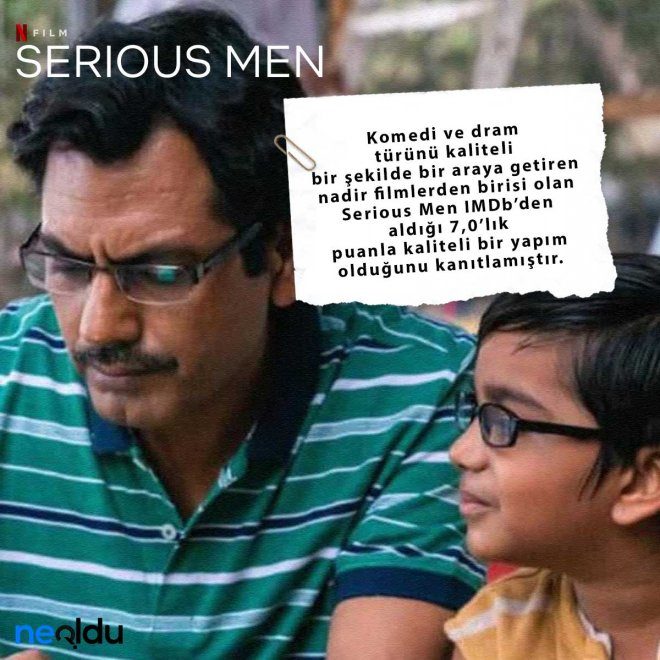
The Reality Behind the Netflix Hit ‘Serious Men’
Sudhir Mishra’s adaptation lands on Netflix. It is not a blockbuster. It is, however, a solid piece of cinema that punches above its weight. The real talk starts with the casting. The child actor holds the screen. He carries the emotional heavy lifting. Nawazuddin Siddiqui is the anchor. And the support? It is impeccable.
The timing feels right. Critics point to the pandemic era as a turning point. We got tired of the safe bets. The Salman, Shah Rukh Khan, Varun Dhawan, and Tiger Shroff machine churned out the same formulas. Then this happened. A real film. Grounded.
People are buzzing about the final line. Specifically, Nawazuddin’s character says, “Sunlight hai to kya hua, tu apne talent se chamakna.” What does that mean? It translates to: Even if there is sunlight, you must shine with your own talent.
That line hits different. It is motivational without being preachy. It is a quiet rebellion against the idea that you need external validation or a platform to matter. Just your skill. Just you.
Why the Dialogue Works (Even in Subtitles)
Be honest with yourself. Subtitles rarely do justice to Nawazuddin’s delivery. You can read the English translation. It is accurate. But it lacks the texture. The way he says it matters. The underlying sarcasm. The subtle reprimand. The casual indifference to authority.
“Subtitles can’t capture the irony, the reprimand, or the casual attitude Nawazuddin brings to his lines.”
He adds layers to the text. You feel it in your chest. It makes you wonder why he isn’t a bigger household name globally. He is an enigma. A puzzle wrapped in a performance.
The ensemble cast is tight. The mothers, in particular, deliver standout work. It is not just about Nawazuddin carrying the film. It is a collective effort. Everyone is on point. Nawazuddin deserves every bit of the recognition he is getting. If you are watching the trailer and wondering whether to commit your time, just watch it.
The script is unique. The ending is unexpected. You won’t regret it.
The Child Star and the Emotional Core
This movie is an experience. The child actor is the undisputed star. His performance is raw. There is a scene that pushes him to the edge emotionally. It is disturbing. It gets under your skin. It leaves a lump in your throat.
Nawazuddin matches him. This might be one of his best performances. The dynamic between them is the heart of the story.
The message is clear. It challenges parents. Society. Friends. It asks you to look at how we treat people who are different. Or less privileged. The German dubbed version misses the tone. The original Hindi carries the weight. That is why it works.
Nawazuddin Siddiqui as Ayyan Mani
Nawazuddin Siddiqui has been walking the walk for years. He is an Indian actor who has built a reputation on steady, powerful roles. You have seen him in Sacred Games. Manto. Babumoshai Bandookbaaz. Raees. Raat Akeli Hai.
This role is different, though. It brings him international attention. He plays Ayyan Mani. Ayan lives in a slum. He is a father. He is trying to navigate a world that doesn’t want him there. The character is complex. He is not a hero. He is a man trying to survive with his dignity intact.
The performance is subtle. It relies on small gestures. A look. A pause. A shift in tone. Nawazuddin makes Ayyan feel real. You believe he is struggling. You believe he is hopeful. And when the script asks you to believe in his talent, you do.
It is a reminder that great acting doesn’t always need explosions. Sometimes it just needs a room. A child. And a line about sunlight.
The Aftermath of the Breakup
The silence that followed was louder than the party had been. Cameras stopped flashing. Reporters lost the trail. For a moment, the machine ground to a halt, waiting for the next shoe to drop. It never did. Not in the way everyone expected.
The couple didn’t issue a joint statement. They didn’t block each other on social media as a power move. They simply stopped appearing in the same frame. The absence became the story.
Fans tried to fill the void.
– Speculation ran wild.
– Old interviews were re-watched for hidden clues.
– Conspiracy theories about secret codes in lyrics gained traction.
But the truth was simpler. And more boring. They had just moved on.
How It Impacted Their Careers
This isn’t just gossip. It’s business.
When two A-listers split, the ripple effect hits box office projections and streaming numbers. Studios get nervous. Marketing teams scramble to reframe narratives. In this case, the pivot was quick.
One partner leaned into solo projects.
– A gritty indie drama.
– A voice role in an animated hit.
– A podcast series about creative burnout.
The other doubled down on spectacle.
– A superhero franchise installment.
– A luxury brand endorsement deal.
– A reality show production credit.
Neither career stalled. In fact, both found new rhythms. The public’s appetite for their individual work proved stronger than their shared history.
Where the Fans Stood
Online communities fractured. Some refused to let go, clinging to hope. Others cheered the independence. Most just shrugged.
The engagement metrics told the real story.
– Comments on old couple photos dropped 60% in three months.
– Search volume for their names split evenly between solo queries.
– Merchandise sales for collaborative items flatlined.
The internet forgot faster than anyone predicted.
Why This Matters for Pop Culture
Celebrity relationships sell magazines. They drive ticket sales. They create cultural moments. But their dissolution reminds us that these are just people.
The narrative arc of “us against the world” is compelling. The reality of “I need to figure myself out” is relatable. Audiences are starting to choose the latter.
It’s a shift.
A quiet one.
But significant.
The Next Chapter
There is no grand finale. No dramatic confrontation. Just the slow fade of a shared identity into separate paths.
One actor is currently filming in Prague. The other is in pre-production for a summer blockbuster in Atlanta. They are not speaking. They are not hiding. They are just working.
And that’s enough.
The next time you see their names together in a headline, pause. Check the date. You might be looking at a ghost. Or a headline designed to pull you into a past that no longer exists.
Does it matter?
Maybe not. But it’s interesting.