

Scientists finally have proof. The tiny bugs living in an infant’s belly talk to the body’s genetic switches. It turns out this conversation matters. A lot.
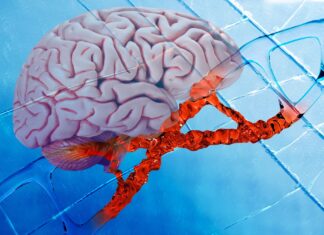
New research shows that gut microbiome development and epigenetics —the molecular controls that turn genes on or off—are tangled up in early brain wiring. Specifically? They influence whether a kid ends up on the autism spectrum or diagnosed with ADHD.
Born with trillions of microbes, babies start colonizing their guts immediately. Simultaneously, molecular switches are flipping, deciding which genes stay active. Previously, researchers studied these systems separately. Now, thanks to a paper published in Cell Press Blue, we know they interact. In real time.
Francis Ka Leung Chan from The Chinese University of Hong Kong puts it simply:
“Certain bacteria seem to offer protection… it suggests there could be ways to支持 a child’s development through diet”
Wait, what? Let me repeat that. Good bacteria might actually counteract genetic risks for neurodevelopmental conditions.
The Data Behind the Microbes
The team didn’t just guess. They tracked 571 babies using DNA from umbilical cords right at birth. That’s when epigenetic patterns—specifically DNA methylation —are locked in. Then they followed 969 infants, collecting poop samples (because that’s how you study microbiomes) at two, six, and twelve months. Parents were sampled during their third trimesters, too.
By the time the kids turned three, the researchers asked parents to fill out behavioral checklists. The goal? Connect the early gut data and genetic marks to actual ASD or ADHD traits.
Here’s the kicker. The baby’s birth epigenome wasn’t affected by the parents’ gut health. No correlation there. But delivery methods? Yes. Having older siblings? Yes. Maternal allergies? Also yes. Babies born via C-section had distinct DNA methylation patterns linked to immune function and brain development genes. Different start, different track.
Methylation Shapes the Microbe Mix
Birth epigenetics predicted how diverse the gut would get in the first year.
If a baby was born with high methylation levels in immune genes responsible for spotting pathogens, their gut microbiome tended to be less diverse by their first birthday. Less variety. Less resilience.
Then came the behavioral data.
Specific epigenetic markers at birth correlated with ASD and ADHD signs at age three. Standard stuff so far, right? Here’s where it gets weird. And hopeful.
Two specific bugs emerged as protectors.
- If a baby had the ASD risk profile but picked up Lachnospira pectinosohiza , the signs were less likely to show up.
- Same for ADHD risks, except the protective bacteria was Parabacteroides distasonis .
These microbes acted like shock absorbers. They stepped into a conversation the epigenetics had already started and changed the volume.
Nature Didn’t Nail It Shut
Hein Min Tun, co-senior author, emphasizes that this isn’t fatalism. Just because the genetic dice were rolled at birth doesn’t mean the game is over.
“We discovered a kind of conversation happening: a baby’s epigenetic setting… can influence risk… but the presence of certain ‘good’ bacteria… can step in.”
Is your child’s destiny fixed the moment they cry their first cry? Absolutely not.
Siew Chien Ng sees a path forward. Not just observation, but intervention. She’s talking about targeted probiotics. Or maybe live biotherapeutics. The idea is simple. Support the good bugs early. Help the brain develop along a healthier trajectory.
Of course, the lab work isn’t done. These researchers are still tracking these kids. Long-term health effects? Unknown for now. Lab confirmation is pending.
But the implication sits heavy.
Diet. Probiotics. Timing.
If we can map which bugs fight which risks, we might actually rewrite the developmental script for neurodivergence. Not cure it necessarily, but maybe… nudge it.
Who’s eating the probiotics tonight? 🦠