



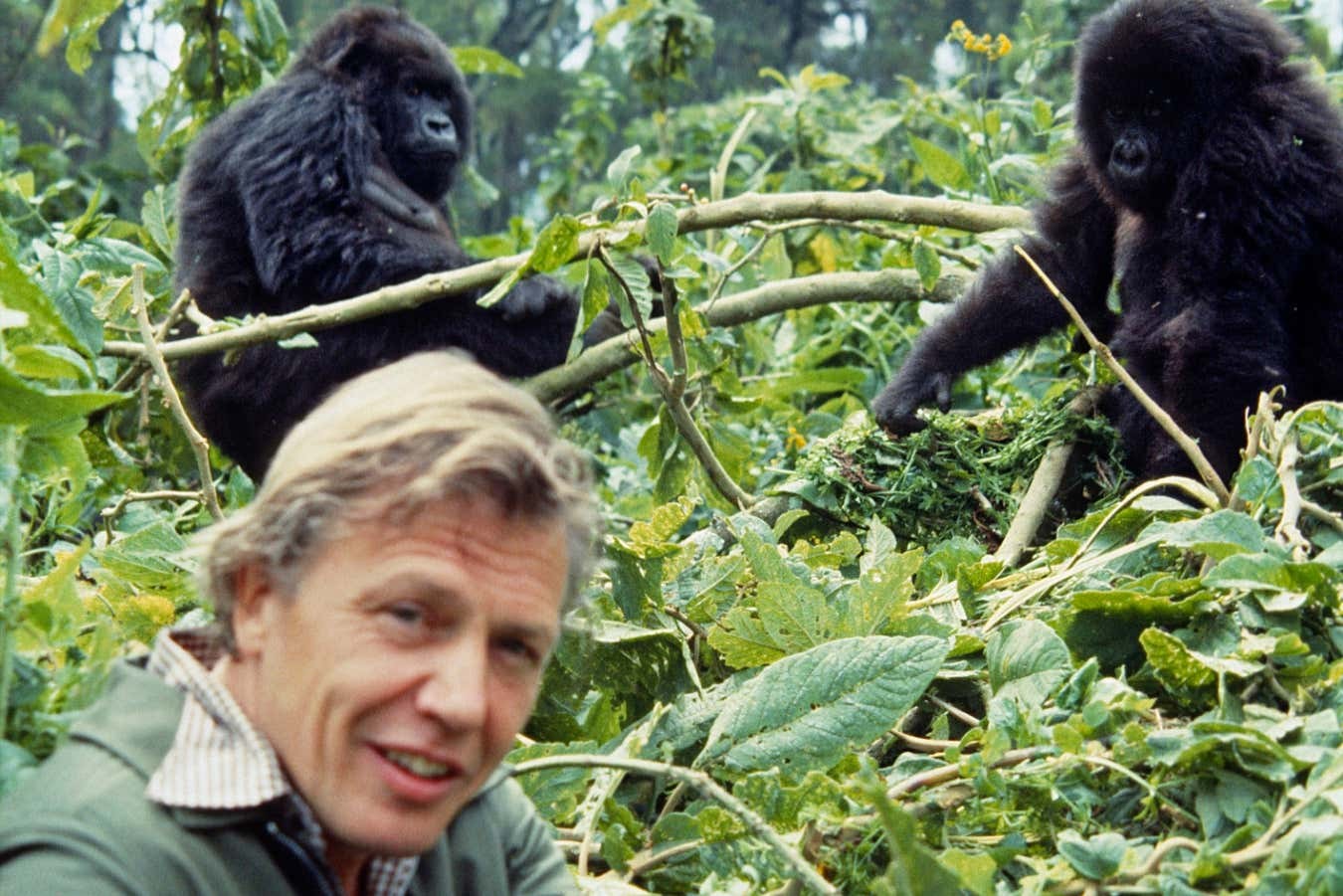
David Attenborough is more than a broadcaster; he is a cultural touchstone for understanding our natural world. As he approaches his 100th birthday, his legacy is defined not just by longevity, but by a profound evolution in how we perceive nature. From the groundbreaking science of the 1970s to the urgent climate warnings of today, Attenborough’s work has consistently pushed the boundaries of television production and public awareness.
These selections highlight the most impactful documentaries in his canon, chosen for their scientific rigor, cinematic innovation, and enduring emotional resonance. They trace a journey from pure wonder to a complex call for conservation.
The Foundation: Life on Earth (1979)
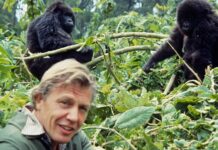
Life on Earth is the cornerstone of Attenborough’s legacy. This 1979 series was the first ambitious nature documentary of its kind, setting the standard for all that followed. It introduced audiences to the broadcaster’s signature calm narration and stunning visuals, most famously during the intimate encounter with wild gorillas.
The series is notable for its scientific density, offering a comprehensive overview of evolution that remains unmatched in clarity. Attenborough guides viewers through “deep time,” using the Grand Canyon as a visual metaphor for geological history. While some modern viewers may find the pacing lecture-heavy, the educational value is immense. For many, this series was a formative experience, sparking a lifelong interest in biology and ecology.
- Key Insight: Without the success of Life on Earth, the subsequent wave of high-quality nature programming might never have materialized.
Revealing the Invisible: The Private Life of Plants (1995)
Before this series, plants were often viewed as static backdrops to animal drama. The Private Life of Plants changed that narrative by revealing flora as active, intelligent agents. Utilizing time-lapse and high-speed photography on an unprecedented scale, the documentary captured the slow aggression of brambles, the explosive seed dispersal of pods, and the daily rhythms of wood anemones.
The production’s ingenuity lies in its ability to visualize processes that occur outside human perception. While the visual style—characterized by vivid color grading and early CGI—reflects its mid-90s origins, the core message endures: plants possess a complex agency that deserves recognition.
- Why it matters: It shifted the public perspective from observing nature to understanding the interconnected intelligence of all living things.
Exploring the Depths: The Blue Planet (2001)
The Blue Planet was the first in-depth exploration of the world’s oceans, revealing a realm that remains largely mysterious. The series astounded viewers with footage of blue whales, deep-sea creatures, and vast schools of herring. It demonstrated that the ocean is not empty space, but a dense, dynamic ecosystem.
One particularly haunting sequence shows orcas hunting a grey whale calf, targeting only the tongue and lower jaw—a behavior that underscores the precision and brutality of marine predation. Despite lacking the high-definition clarity of modern productions, the series changed the shape of nature documentaries by making the invisible visible. It sparked a lasting public fascination with marine biology and conservation.
- Legacy: The series established the ocean as a critical frontier for both scientific discovery and environmental protection.
The Standard for Visuals: Planet Earth (2006)
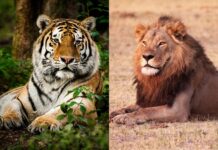
Planet Earth set a new benchmark for high-definition nature filmmaking. The series is renowned for its spectacular imagery, including lions swarming a young elephant and polar bears hunting walruses. These moments are not just visually striking; they illustrate the intense pressures of survival in pristine wildernesses.
The series also marked a thematic shift. While earlier works focused on untouched environments, the second series (2016) and third series (2023) explicitly address animals living alongside humans. This transition reflects a growing reality: there is little “pristine” wilderness left. Attenborough’s narration continues to evoke wonder, but the context has shifted from pure observation to a recognition of human impact.
- Observation: The series demonstrates that wonder and concern are not mutually exclusive; one can appreciate beauty while acknowledging fragility.
The Climate Warning: Frozen Planet (2011)
Frozen Planet focuses on the Arctic and Antarctica, regions where the effects of climate change are most visible. The documentary balances breathtaking footage of penguins, polar bears, and bison with a stark message about environmental degradation. Attenborough appears as a guide, navigating these hostile landscapes to highlight their beauty and vulnerability.
The episode “On Thin Ice” serves as an explicit call to action, urging global efforts to protect these ecosystems. The series is significant because it transforms abstract data about global warming into tangible, emotional loss. By making viewers care about the specific inhabitants of the poles, it bridges the gap between scientific evidence and public empathy.
- Core Message: Conservation is not just about saving species; it is about preserving the stability of the Earth’s climate systems.
A Personal Testament: A Life on Our Planet (2020)
Released during the early days of the pandemic, A Life on Our Planet serves as Attenborough’s witness statement. It charts the degradation of Earth’s ecosystems over his lifetime, using his personal history as a yardstick for change. The film combines archival footage with modern visuals to illustrate the loss of biodiversity and the rise of pollution.
Unlike previous works, this documentary is explicitly political and urgent. It outlines a bleak future but also provides concrete solutions, emphasizing that the crises are solvable if immediate action is taken. The film resonates because it frames environmental collapse not as a distant threat, but as a lived experience.
- Significance: It marks a shift from educational entertainment to a moral imperative, urging viewers to see themselves as part of the solution.
Resurrecting the Past: Prehistoric Planet (2022)
Prehistoric Planet uses advanced CGI to bring extinct animals to life with unprecedented accuracy. Praised by paleontologists for its naturalism, the series depicts dinosaurs and other prehistoric creatures in realistic behaviors, such as swimming and mating. It moves beyond the monster-movie tropes of earlier dinosaur films to show these animals as complex beings.
While the third series features Tom Hiddleston as narrator, the first two seasons retain Attenborough’s voice, adding a layer of gravitas to the scientific speculation. The series highlights how much we have learned about prehistoric life, transforming our understanding of the deep past.
- Innovation: It demonstrates how technology can enhance scientific communication, making complex paleontological data accessible and engaging.
Nature in the City: Wild London (2026)
The latest entry, Wild London, challenges the notion that nature exists only in remote wilderness. It showcases the vibrant wildlife thriving within a megacity, from peregrine falcons soaring over central London to fallow deer roaming suburban parks. The documentary highlights how urban environments have adapted to support diverse species, often in unexpected ways.
This series is significant for its inclusivity, suggesting that nature lovers do not need to escape the city to connect with the natural world. It reinforces Attenborough’s broader message: nature is everywhere, and its preservation requires attention in both rural and urban settings.
- Conclusion: The series affirms that human habitats and natural ecosystems are not separate entities, but intertwined parts of a single, dynamic planet.
“David Attenborough’s work has evolved from celebrating the wonder of nature to confronting the urgency of its preservation. His documentaries remain essential viewing, offering both scientific insight and a moral compass for navigating the environmental challenges of the 21st century.”