

April 1986. A reactor blew up at Chernobyl. Forty years ago, that disaster ranked among the worst human-made accidents in history. The fire scattered radiation for miles.
Towns like Pripyat emptied. The Soviet Union drew a line: 30 kilometers radius, stay out.
Now? It covers 2,600 square-kilometer. One of the hottest spots on Earth for radiation. Humans don’t go there. Animals do.
“Animals can’t read warning signs.”
So they ignored them. While we fled, nature moved in.
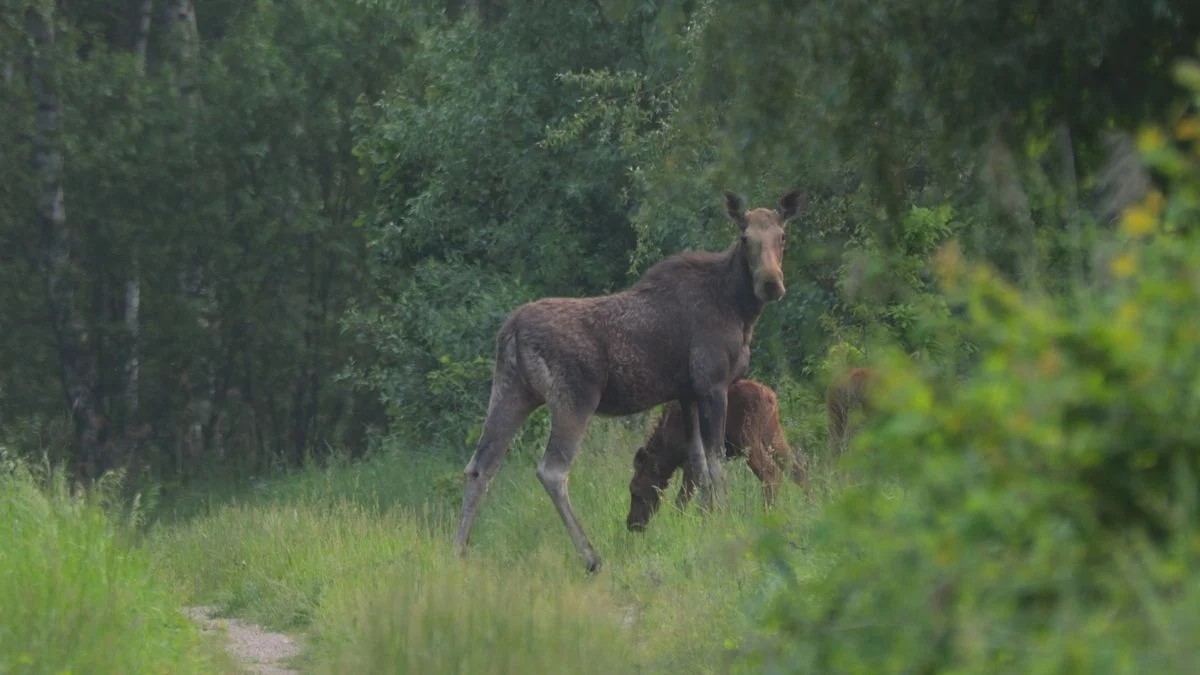
A new study proves it’s not just rats and roaches. Big things are thriving there. Moose. Eurasian lynx. Deer. Even Przewalski’s horses, which went extinct in the wild a century ago. They are living in the fallout zone like it’s a country club.
Wait. Did I say accidental? Not quite.
Since 2016, the zone has been official. Ukraine created the Chornobyl Radiation and Ecology Biosphere Reserve. It is a sanctuary by decree now. But before the paperwork? Just absence. The absence of us.
Svitlana Kudrenko from Germany’s Albert Ludwig University of Freiburg led a team to count the inhabitants. They didn’t just wander around with notebooks.
They set up cameras.
In 2020, 2021. Camera traps across northern Ukraine. They checked the Chernobyl zone. Four other reserves nearby—Drevlianskyi, Polysya, Rivne, Chernobyl. Plus two parks and random wild areas without protection.
60,000, square kilometers. A massive patch of dirt to scan.
The results? A mosaic of life, but with a glitch in the matrix. Connection matters.
Most of those reserves are lonely. Isolated islands in a sea of farmland and human activity. Chernobyl and Drevlianksy? Connected. Big chunks of uninterrupted forest.
And that link changed everything.
The team recorded 31,21 sightings total. Ninety-three percent of those hits came from one place. The Chernobyl reserve alone logged 19,32 pictures.
Does 19,2 mean 1,32 moose? Obviously not. One deer can trigger a trap three times a day. But the math on occupancy is solid. Where the reserves join together, life is densest. Where they are fragmented, it thins out.
They spotted 3 wild species.
- Red deer
- Moose
- Wild boar
- Brown bear
- Lynx
- Wolves
Plus hares, badgers, foxes. Domestic dogs, livestock. Humans, rarely.
Here’s the kicker: the bigger the area, the happier the big animals. Especially moose. These giants hate us. When researchers entered their zone, moose numbers dropped. They felt the disturbance. They vanished.
In the connected zones? No disturbances. No us.
Did radiation hurt them? The scientists didn’t look at that. Not their goal. They wanted to answer one question. What happens when the people leave?
Answer: Wildlife explodes.
It turns out, for a moose or a lynx, being in a radioactive garden is better than living near a suburb. Preferable? Maybe. Strange? Undeniably.
Russia invaded in 202. Access shut down. Research stalled. The data we have might be the best we get for a while.
Published in Proceedings of the Royal Society B. A solid peer-reviewed record of a paradox. We burned the sky to kill the air, and somehow saved the animals from ourselves.
Does that make the explosion good?
No. It just means we are worse for the wild than the radiation is. At least, according to these numbers.
Which leaves us with a quiet, uncomfortable truth. Maybe the safest place on Earth for a brown bear is right in the center of a meltdown.
And that’s a victory with no winners. 🐻🚫