




The UK was built for weather that doesn’t exist anymore.
That is the blunt reality check from the Climate Change Committee (CCC). They say it is time for maximum temperature rules in workplaces. Not a suggestion. A rule.
Climate change isn’t just warming things up. It is tearing holes in the British “way of life.” Think about your weekend football match. The music festival. The commute to the office. All under threat.
Baroness Brown, who chairs the CCC’s Adaptation Committee, calls previous government performance “woeful.”
“It’s not rocket science,” she said. “We know what to do.”
“We haven’t yet seen a government prepared to prioritise adapting.”
Sound familiar? Probably.
Last year set records. It was the hottest on file. Drought drained the land. But just before that, the winter of 2023–24 dumped record rain. Widespread flooding followed. One extreme chased the other.
The science is settled. We are already 1.4°C warmer than pre-industrial times. Global efforts to stay under 2°C? Off track. The UK faces wetter winters and drier summers. By mid-century, peak river flows during heavy rain could spike by 45%.
Public water supply in England faces shortfalls exceeding five billion liters daily. Just imagine that number. Linked to population growth and hotter summers, the tap could run dry, figuratively speaking.
But here is the big one.
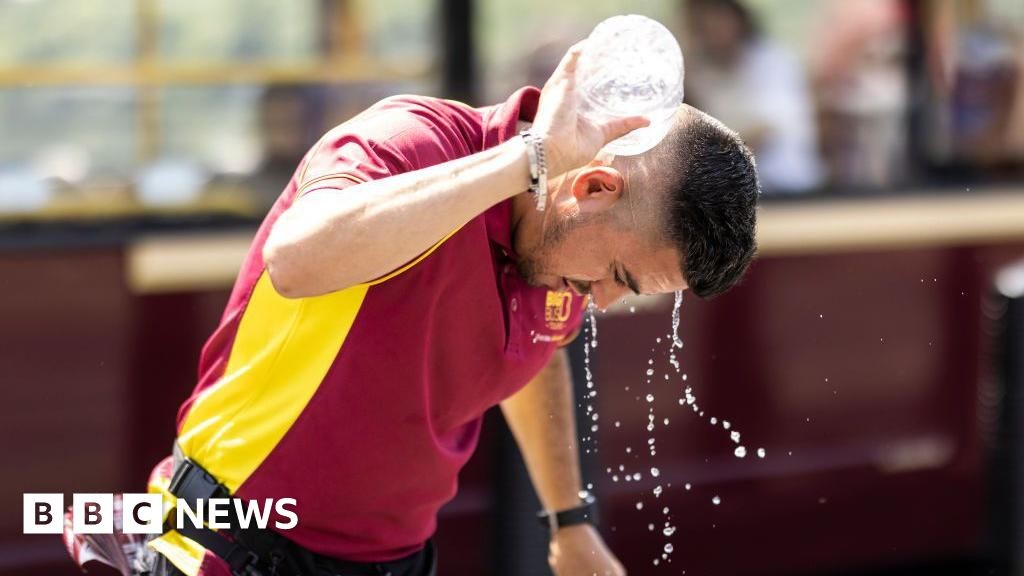
Heat is the greatest health risk.
Currently, over 90% of homes could overheat during extreme heatwaves. People get sick. People die. Or at the very least, they make mistakes. Productivity plummets.
Baroness Brown points out that safety suffers when temperatures rise. Errors happen. Accidents increase. So what do we do?
The CCC recommends looking at Spain. There, the law caps indoor working temps at 27°C for sedentary jobs and 25°C for light physical work. No specific UK limit is suggested yet, but the path is clear. Install AC. Use heat pumps. Add green shading.
She also has ideas for schools. Why take exams in the height of summer? Change the calendar. Simple.
The Cost of Waiting
There is a price tag. Roughly £11bn a year to adapt. That covers both public and private spending.
Brown admits this estimate might even be too low.
But look at the alternative. Inaction costs more. Tens of billions could be saved annually by acting now.
“It’s very good value compared to the impacts we’re already seeing.”
The government response so far is cautious. Environment Secretary Emma Reynolds says they are acting against floods, heat, and drought. They are “carefully considering” the advice. They are investing in flood defenses.
Is that enough?
Maybe. Or maybe we are still waiting for the storm to pass that has already arrived. The infrastructure remains. The heat is coming back. The question isn’t if we need to cool down.