


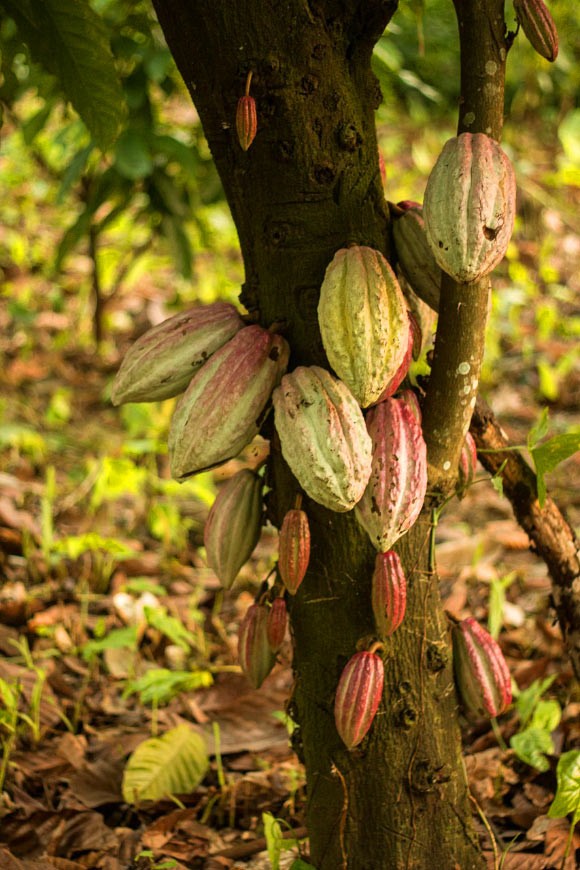
The beans aren’t just snacks. They’re multibillion-dollar assets. Cocoa fuels cosmetics, confections, and entire economies. Millions of smallholder farmers rely on them to survive.
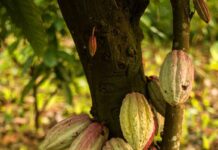
Peru sits eighth in global production. Over 80,00 farming families depended on cacao as of 2024 most grow wild or semi-wild trees. These haven’t been tinkered with much. No selective breeding marathons. No genetic engineering labs. Just nature doing its thing, slowly, across the Amazon understory.
Prior studies slapped the Theobroma cacao genome into 10 boxes. Maybe more if a tree was mixed heritage. But that framework is shaky. Challenged by newer data. Mostly ignored when it comes to Peru specifically.
Dr. Lambert Motilal leads a team from the University of the West Indies. He looked at 390 trees scattered across Peruvian indigenous farms. They checked single-nucleotide polymorphs SNPs for short. Basically they read single-letter typos in DNA codes. Tiny differences. Huge implications for tracking ancestry.
The result? Four new lineages. Unknown to science. Plus the ten already on the books. Some trees are pure strains. Others are hybrids, messy and complex.
What does it mean? Two of these new groups look promising. Their ancestry hints at exceptional flavor profiles. High quality potential.
Then there’s CCN 51. A deliberate cultivar built for yield and disease resistance. Economically massive. The new genetic map clarifies where this bean actually comes from.
The study shows Peru’s soil holds secret genetic maps. Each region has its own signature. From Amazonas lowlands to Andean foothills. Eight different departments studied. The variation is fine-grained, specific, local.
“These invaluable genetic treasures weren’t locked away.”
Motilal said the most shocking part? The genes were in farmers’ backyards. Literally growing outside their kitchens. Waiting for someone to notice them.
“Waiting to be characterized and valued for premium market.”
This blueprint reshapes conservation efforts. It gives chocolatiers new targets. Not just more volume. Better taste.
Who wins? Probably everyone except those stuck trading low-grade bulk. The industry shifts. Flavor wins again.
We see it published in PLOS ONE.
The paper title gives it away.
- L.A. Motilal et at. 2026
- “Genetic structure of traditional cacao reveals four genetic lineages.”
- Indigenous sites. Peru.