



You can drive from Paris to Brussels in a few hours. The border is just a line on a map, or maybe a subtle shift in the accent. But Belgium doesn’t feel like France. Not even close. It’s a neighbor that manages to feel entirely foreign. You get that jarring, wonderful sense of dépaysement —of being displaced from your usual reality—without needing a passport check or a long flight.
This small country packs a punch. You can do a quick weekend trip and still walk away with stories. But if you stay, if you actually look, you’ll find layers. History isn’t just in the guidebooks here. It’s in the beer. It’s in the comics. It’s in the flat, quiet land that hides wild forests and bloody battlefields.
The home of clear lines and dark ales
Tintin didn’t just appear out of nowhere. He lives in the birthplace of the ligne claire style—clear line comic art. Belgium owns that heritage. It’s not just a cultural footnote. It’s part of the national identity. You can visit Hergé’s legacy in Brussels, but you’ll also find the spirit of those drawings in the quiet precision of Belgian life.
Then there’s the beer. The brasseries here didn’t just learn to brew. They mastered it. Monks, brewers, families—generations of hands have shaped these recipes. This isn’t mass-produced lager. This is liquid history. You order a Trappist ale, and you’re drinking centuries of craft. For a French traveler, this is the main draw. The beer culture is deeper, more ritualistic. It’s a reason to go. It’s a reason to stay.
A flat country with wild secrets
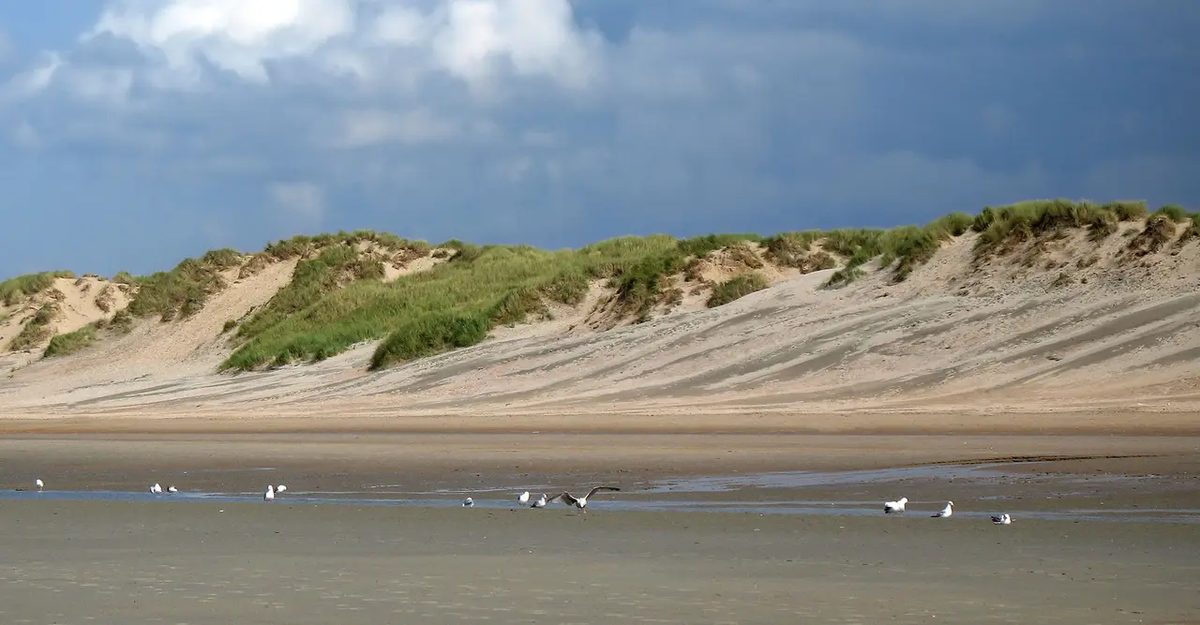
Jacques Brel sang about Belgium as a plat pays. A flat country. And he was right. There are no Alps here. No dramatic peaks to break the horizon. Instead, you get vast, green expanses. The Ardennes forest stretches out, dense and ancient. It sits right next to the French Ardennes, but the vibe is different. The soil is heavier. The history is darker.
This wasn’t always just a tourist destination. It was a meat grinder. The Ardennes are famous for being a major battlefield during the world wars. The trees here have seen things. They’ve absorbed smoke and sound. Today, they’re a place for hiking, for breathing, for remembering. But the weight of that past is still there, under the moss, in the silence.
Why this matters for your next trip
You might think you know Western Europe. You know the big cities. The Louvre. The Colosseum. The Eiffel Tower. But Belgium offers something else. It’s intimate. It’s unpretentious. It doesn’t demand your awe. It asks for your curiosity.
The combination of comic art, brewing tradition, and layered history creates a travel experience that’s hard to replicate. You’re not just sightseeing. You’re stepping into a living culture that values craftsmanship and memory. For a French traveler, this proximity is key. You can leave home in the morning and be drinking a Dubbel in a centuries-old abbey by noon.
“Belgium is a flat country, but its history is deep.”
This isn’t about checking

The Belgian Duality: Where Politics Meets Art
It’s a country defined by its split personality. In the north, you have the Flemish. In the south, the Walloons. The linguistic and political rivalry isn’t just background noise; it’s the engine that drives the place. Tension? Sure. But that friction also creates something distinct. A rich cultural and architectural heritage that you’d be foolish to skip.
Whether you have an hour or a month, Belgium delivers.
The skyline tells the story. You’ll see Gothic spires piercing the gray skies, Romanesque solidity, and the ornate excess of the Baroque. These aren’t just pretty stones. They are physical records of a history that refused to stay quiet. Each monument is a testament to power, faith, and the endless debate over who belongs where.
And then there’s the art.
This isn’t a footnote in European art history. It’s a central chapter. The great painters didn’t just visit; they left their mark. Permanent, undeniable marks. We’re talking about masterpieces that have survived centuries of war, revolution, and division. They remain. Unchanged. Watching.
Why does this matter? Because looking at these works forces you to confront the complexity of identity. You aren’t just seeing a painting. You’re seeing the soul of a region fighting to define itself against its neighbor. The brushstrokes hold political weight. The architecture holds linguistic pride.
To walk through these cities is to navigate a living argument. It’s messy. It’s beautiful. And it’s entirely worth the trip.
The belfry of Bruges doesn’t just watch over the city. It watches over you. You can feel the weight of centuries in its stone, standing tall above the canals and the crowds of tourists who flock there for the Instagram shot. But look closer. The history isn’t in the view. It’s in the structure.
Consider the Citadel of Namur. It’s not a pretty postcard. It’s a fortress. Built to withstand sieges, it dominates the Meuse valley with a grim, functional beauty. While the Grand-Place in Brussels dazzles with gold leaf and baroque excess, the Citadel tells a story of survival. It’s about who held the high ground and why it mattered.
And then there’s Antwerp. The Diamond Museum sits in a building that looks like a fortress itself. Why? Because diamonds are heavy. They are valuable. They need protection. The museum doesn’t just display gems. It displays the industry. The cut. The polish. The money that flows through one of the world’s oldest diamond centers.
Why These Sites Matter Now
You might think heritage is about the past. It’s not. It’s about how we live now.
The belfries of Belgium and Northern France are UNESCO World Heritage sites. Not because they are old. But because they represent civic independence. They were built by cities, not kings. They signaled that the merchant class held power. The bell rang out alarms. It called the guildsmen to meetings. It was the heartbeat of urban autonomy.
The Citadel of Namur tells a different story. It’s about conflict. The city has been besieged dozens of times. The fortress changed hands between Spanish, French, Dutch, and German forces. Standing there, you realize that borders are not lines on a map. They are scars on the land.
The Diamond Museum in Antwerp is about globalization. Before global shipping, before air travel, this city was the hub. The museum shows how a small stone became a symbol of love, of status, of power. It’s a critique of value. What makes something precious? Scarcity? Craftsmanship? Perception?
How to Visit Without the Crowds
The Grand-Place is beautiful. It’s also packed. If you go on a Saturday afternoon, you’ll be pushed by elbows. You won’t see the details. You’ll see the backs of heads.
Go early. Go at dawn. The light hits the guildhalls differently then. The gold glows without the glare. The shadows are long. The silence is rare.
The Citadel of Namur requires effort. You climb. Or you take a bus. The view from the top is worth the sweat. You see the river winding through the valley. You see the town below. It’s a perspective shift. You stop looking at the city. You start looking at the landscape.
The Diamond Museum is indoors. Climate-controlled. Safe. It’s easy to visit. It’s hard to forget. The exhibits are detailed. They explain the cut. The clarity. The color. The carat. The four Cs. But they also show the human cost. The sweatshops. The blood diamonds. The industry is not pure. It’s complex.
The Hidden Layers
Most tourists stop at the surface. They take the photo.


