





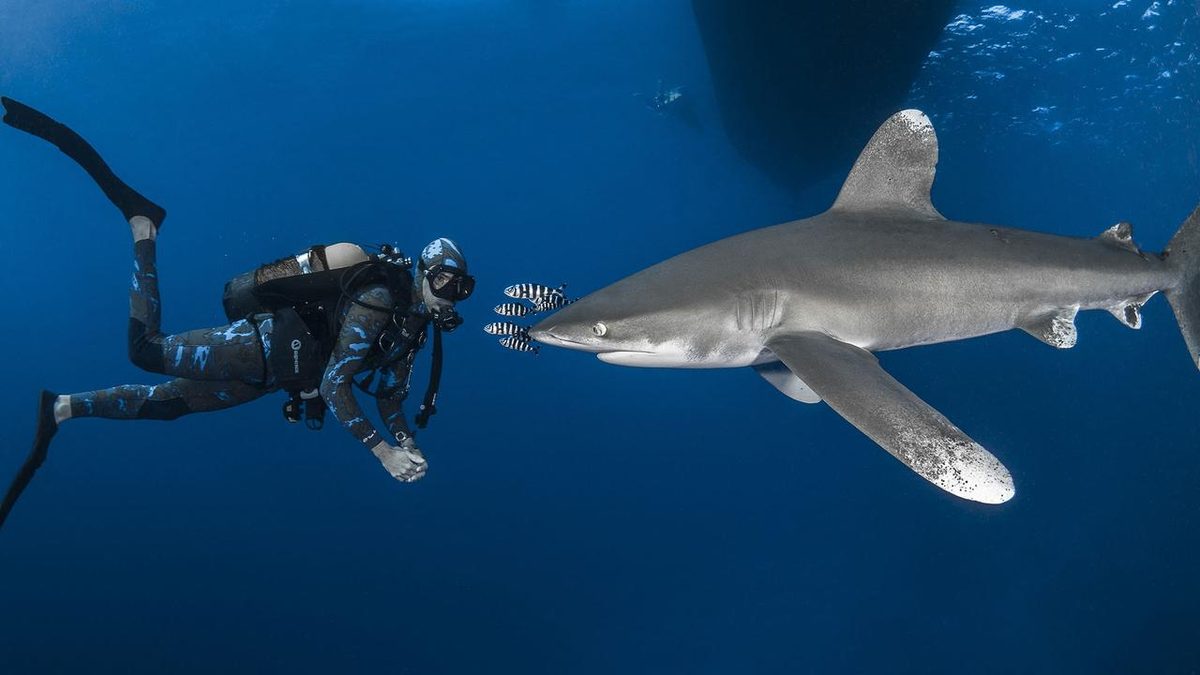
We don’t just fear sharks. We fear the water itself.
Surveys consistently place the ocean and bodies of water high on the list of common human phobias. It isn’t a personal quirk. It is a shared anxiety rooted in the environment, not the predator. Before you even think about a toothy fin, you are reacting to the medium. You are entering a space that is fundamentally hostile to human biology.
This is why the ocean feels so wrong. Our senses fail us in ways they never do on land. Vision becomes a murky, gray blur. Hearing distorts. Movement turns sluggish and uncoordinated. We lose our primary tools for survival: sight and sound.
“Our rational mind knows attacks are rare. But it also knows we cannot react.”
Floating on the surface creates a unique kind of panic. You are blind to the depths below. The brain hates gaps in information. It fills them with worst-case scenarios. You know statistically that you are likely safe. Probability says a shark attack is a statistical anomaly. But probability does not stop the primal alarm bells ringing in the base of your skull.
You realize you are vulnerable. Truly, helplessly vulnerable. You cannot run. You cannot fight effectively. You are at the mercy of an element that was not designed for your lungs or your eyes. The rational part of your brain makes a deal with the irrational part: Yes, it’s unlikely. But if it happens, I am helpless. That helplessness amplifies the fear. It turns a swim into a siege.
We are land animals pretending to be fish. The ocean reminds us of that every time we dip below the surface.
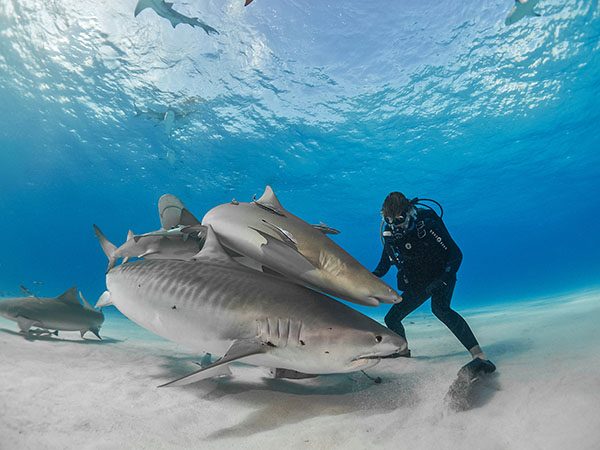

Il y a la peur qui est là dès la naissance. Et celle qu’on apprend. La peur du requin relève de cette seconde catégorie. Elle n’est pas nouvelle. L’humanité a accepté, au fil des siècles, l’idée qu’un requin puisse nous attaquer. Sauf que les chiffres disent le contraire. Être mordue par un requin est statistiquement improbable. La grande majorité des gens n’en verra jamais un dans la nature. Jamais.
En tant que prédateurs au sommet, nous avons tendance à oublier que nous sommes vulnérables. Nous n’acceptons pas d’être vus comme des proies. Cette perte de contrôle déclenche des réactions violentes. L’idée d’être mangé par un gros poisson sape notre sentiment d’invincibilité. C’est perturbant. Ça amplifie les émotions.
Comprendre la squalophobie
On appelle cette phobie spécifique squalophobie. Ce n’est pas juste une appréhension légitime. C’est une crainte irrationnelle, disproportionnée par rapport au risque réel.
La différence entre la peur innée et la peur acquise est cruciale ici. La peur innée nous protège des hauteurs ou du feu. La squalophobie est construite. Elle vient de l’histoire, des récits, de l’exposition médiatique. Elle est apprise.
Pourquoi le risque semble-t-il plus grand qu’il ne l’est ?
Nous sommes mal équipés pour évaluer les dangers naturels. Nous ne sommes pas habitués à être en bas de la chaîne alimentaire. Quand un prédateur nous concerne, notre cerveau envoie des signaux d’alarme constants. C’est une réaction émotionnelle brute.
La perspective d’être mangé est ce qui trouble l’équilibre. Ce n’est pas juste la mort. C’est la perte d’identité. Nous sommes les dominants. Le requin remet ça en question. Cette remise en cause crée un trouble profond.
L’illusion de la menace
La plupart des gens n’ont aucun contact avec les requins. Pourtant, la squalophobie persiste. Elle est entretenue par notre incapacité à accepter notre place dans l’écosystème. Nous voulons rester invincibles. La réalité du risque zéro pour la plupart des humains ne console pas l’anxiété.
C’est une guerre intérieure. D’un côté, les statistiques. De l’autre, l’idée d’être une proie. Cette dissonance cognitive est ce qui rend la squalophobie si tenace. On ne peut pas rationaliser une peur qui touche à l’ego.
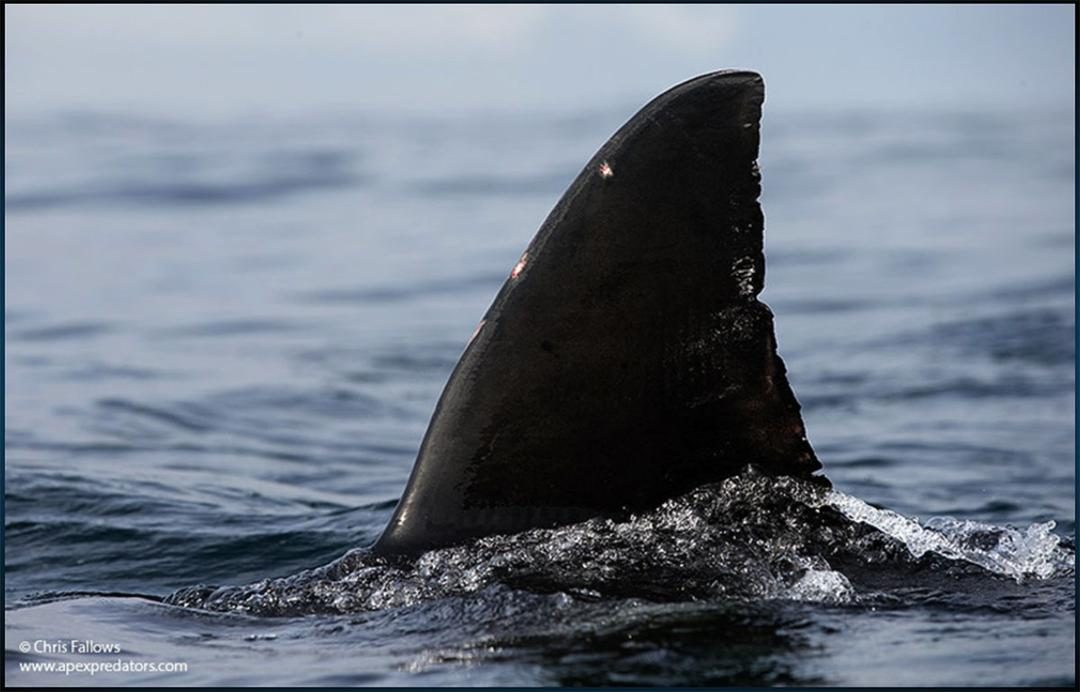

It is a strange irony that the most widespread fear of sharks usually belongs to people who have never actually seen one. Squalophobia isn’t a single emotion. It is a cluster of anxieties, often rooted in things other than the predator itself.
Take aquaphobia. This is the chronic, irrational fear of water. People with this phobia might avoid swimming in the ocean or even a bathtub because they cannot tolerate the feeling of being submerged. They know rationally that the water poses no imminent danger. Logic does not stop the panic. They might refuse to sail or dive deep despite knowing how to swim. It is one of the most common specific fears we carry.
Then there is achluophobia. This is the fear of darkness. In the context of the ocean, it means being unable to distinguish what might emerge from the abyss. The unknown becomes a monster simply because you cannot see it.
Thalassophobia is another layer. It is the intense, persistent fear of the sea. This can stem from rational knowledge of marine biology or, more often, from superstition and ignorance of the species that live there. It boils down to the fear of not seeing your own body. Not seeing your feet vanish into the blue triggers a primal alarm. It also covers the fear of traveling by boat, of deep waters, of waves, and of the creatures that call those waters home.
Finally, there is phagophobia. This is the specific terror of being devoured alive. It is not just about being scared of a shark. It is about the mechanics of the attack. The idea of being consumed is visceral.
The Roots of Shark Fear
Humans have feared sharks since the beginning of time. They are viewed as killing machines. These animals trigger ancestral fears that go deeper than any recent news story or movie.
Sharks dominate the narrative of marine danger. They are myths made flesh.
Why the Fear Persists
The fear of sharks is not new. It is historical. Ancient texts and oral traditions paint sharks as relentless hunters. This perception has stuck. Even when statistics show that attacks are rare, the myth remains powerful.
The ocean itself plays a role. The sea is vast and unpredictable. When you cannot see the bottom, your mind fills in the blanks. With shadows and movement, it creates monsters. This is where thalassophobia thrives. It is not just about sharks. It is about the loss of control.
Aquaphobia and achluophobia often overlap here. You are in the water. It is dark. You cannot see. Your body is vulnerable. This combination is potent.
The Myth of the Monster
Sharks have been cast as villains for centuries. They are portrayed as mindless predators. This ignores their role in the ecosystem. But for the phobic individual, the reality does not matter. The image is all that counts.
Phagophobia feeds on this imagery. The idea of being eaten alive is terrifying. It is a primal fear. It does not require a shark to be real. It only requires the imagination to run wild.
This is why squalophobia is so persistent. It is not based on experience. It is based on stories. Movies. Legends. The unknown.
The fear is widespread precisely because it is disconnected from reality. Most people who fear sharks have never
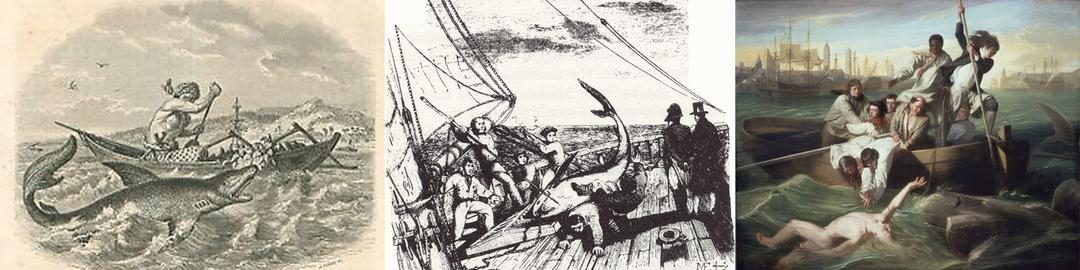

The shark isn’t just a predator. It’s a cultural ghost.
Fear of sharks has roots in both history and geography. We’ve known them since antiquity. Herodotus, in the fifth century BC, described attacks on shipwreck survivors in the Mediterranean. Aristotle, a century later, documented shark biology accurately. He misunderstood their feeding strategy, though. Still, he recorded the details.
Pliny the Elder called them squali in his Natural History around 77 AD. Art followed. Engravings and paintings depicted the shark as evil incarnate. An attack meant certain death. Sailors, fishermen, and adventurers reinforced this during the global conquest era (fourteenth to nineteenth centuries). They wrote about terrifying carnivores. The image of the shark fin circling a plank, waiting for a prisoner to fall, became iconic.
Why the Fear Persists
This isn’t just about biology. It’s about narrative. The shark became a symbol of the unknown. The ocean was vast and uncharted. Sharks were its masters. That created a psychological boundary. Crossing it risked death.
Modern media didn’t invent this fear. It amplified it. Jaws didn’t create the myth. It crystallized centuries of maritime dread. But the foundation was laid by ancient texts. By medieval woodcuts. By nineteenth-century adventure novels.
The Science vs. The Story
Aristotle’s observations were precise. He noted reproductive habits. He described tooth structure. He missed the ambush tactics. Sharks don’t chase prey in straight lines like we think. They use lateral lines to detect vibration. They strike from below. This isn’t malice. It’s efficiency.
But efficiency looks like murder when you’re in the water.
Pliny’s term squali survives. It’s the root of our modern word. Language preserves fear. Every time we say “shark,” we invoke that ancient dread. The etymology itself is a historical artifact.
Where the Fear Is Strongest
Coastal communities bear the brunt of this history. Fishing villages in the Mediterranean still tell stories of attacks. In the Pacific, legends vary. Some cultures revere sharks as ancestors. Others see them as spirits of the deep. The fear isn’t universal. It’s localized. It depends on proximity to water. And proximity to danger.
Today, shark attacks are rare. Statistically, you’re safer swimming than driving. Yet the fear remains. Why? Because stories are easier to remember than statistics. A single attack becomes a legend. A thousand safe swims become background noise.
The shark fin still circles. Not in the water. In our minds. We project our own fears onto the creature. It’s a mirror.
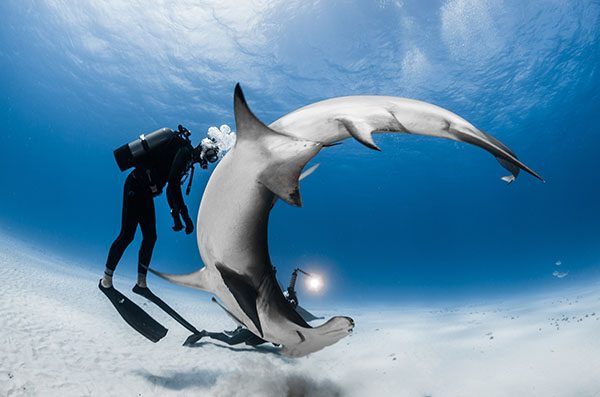

Before the eighteenth century, people didn’t really have a specific name for them beyond generic terms like “sea dogs.” It wasn’t until the seventeenth century that Pierre-Daniel Huet, an etymologist, decided to give them a name based on a fancy guess. He linked “shark” to “requiem.”
Why? Because he thought they killed you fast. The logic was twisted. If a shark attacked you, you’d be dead before you could even finish your last rites. The idea stuck. Sharks became known as the creatures that followed ships, waiting to eat corpses thrown overboard. A reputation as man-eaters was born. Not from evidence. From fear.
Fast forward to the twentieth century. The reputation only got worse.
Survivors of World War II shipwrecks in the Pacific told stories. Horrible stories. People were swimming for their lives. Sharks were there. It didn’t help public perception. Then came Jacques Cousteau. His film The Silent World (Le Monde du Silence ), released in 1954, cemented the image of the shark as a lethal enemy to divers. It wasn’t accurate science. It was cinema. It was fear.
But the real kill shot came later.
Peter Benchley wrote Jaws. He based it on a series of fatal accidents along the New Jersey coast in 1916. The book became a bestseller. It took the abstract fear of the ocean and gave it a monster. Then Steven Spielberg adapted it for the screen in 1975.
“The apothéose est signée Steven Spielberg en 1975.”
That movie didn’t just entertain. It terrified an entire generation. It turned a misunderstood animal into a villain. We still live with that fear today. Even though the data says otherwise. Even though the sharks don’t care about us.
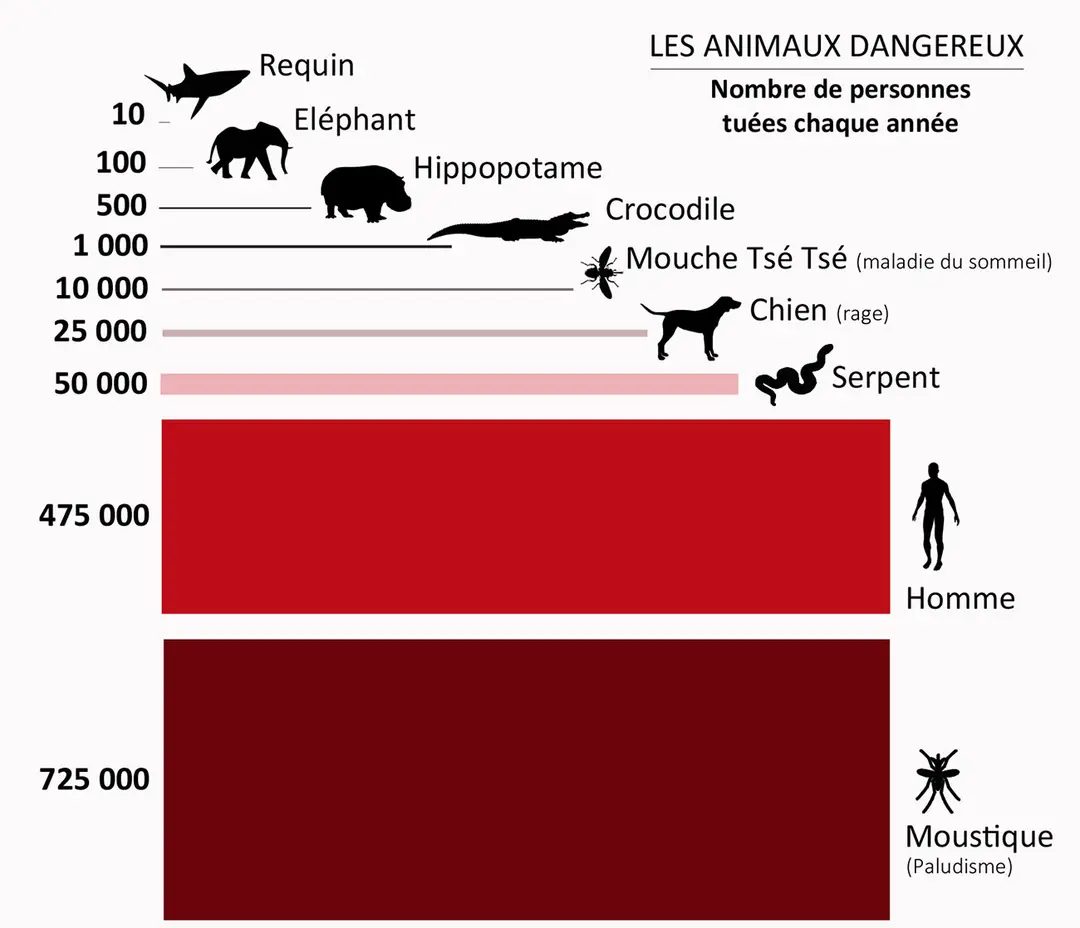

The data is cold and indifferent to our primal instincts. Sharks kill about ten people a year. That is it. Compare that to mosquitoes, snakes, crocodiles, hippos, or even domestic dogs. Yet, if a fin breaks the surface or a single bite occurs, the headlines explode. The media coverage is disproportionate to the risk.
This disparity reveals a deeper psychological mechanism. We fear what we cannot predict. A shark encounter is a chaotic variable. We cannot control the outcome. Our ancient brains default to defense mode. We hate what we fear. This is not logic. It is biology hijacked by emotion.
The Irrationality of the “Man-Eater” Label
Here is the uncomfortable truth: humans are not on the menu. The International Shark Attack File (ISAF) estimates roughly one million human-shark interactions happen every single day.
Think about that number.
In the vast majority of these cases, the human never realizes a predator is nearby. Millions of people swim, surf, and dive daily. If sharks viewed us as primary prey, the statistics would be catastrophic. They are not. They are confused. They are investigating. They are often indifferent.
The label “man-eater” is a projection. We assign this reputation to sharks because we are terrified of them, not because they have shown a taste for human flesh. It is a circular fallacy. We fear them -> we label them dangerous monsters -> the label reinforces the fear.
Media Amplification vs. Daily Reality
Why does a shark attack dominate the news cycle while thousands of other deaths fade into background noise?
Routine deaths from cars, home accidents, or common diseases lack drama. They are tragic, but they are expected. A shark attack is rare. It is exotic. It triggers a visceral response. The media exploits this. Emotional amplification sells clicks and subscriptions.
This constant barrage of sensationalized stories creates a distorted reality. The public perception of sharks as relentless killers is manufactured by coverage that ignores context. It ignores the fact that most “attacks” are cases of mistaken identity or investigative biting.
Education as the Antidote
Can we dismantle this irrational fear? Yes.
The solution is not more regulations on swimming. It is education. Understanding shark behavior demystifies the predator. When people learn that sharks rely on electroreception and are often curious rather than aggressive, the narrative shifts.
Sharks are not monsters. They are essential components of marine ecosystems. They are fascinating. Recognizing their role in the ocean’s health helps replace hatred with respect.
The fear will not vanish overnight. Instincts are deep-rooted. But knowledge provides a buffer. It allows us to see the animal for what it is, rather than what we project onto it.
Next time you see the ocean, look closer. The presence of a shark is not a death sentence. It is simply a reminder that we are visitors in a world we do not fully understand. And that should be enough to inspire awe, not terror.
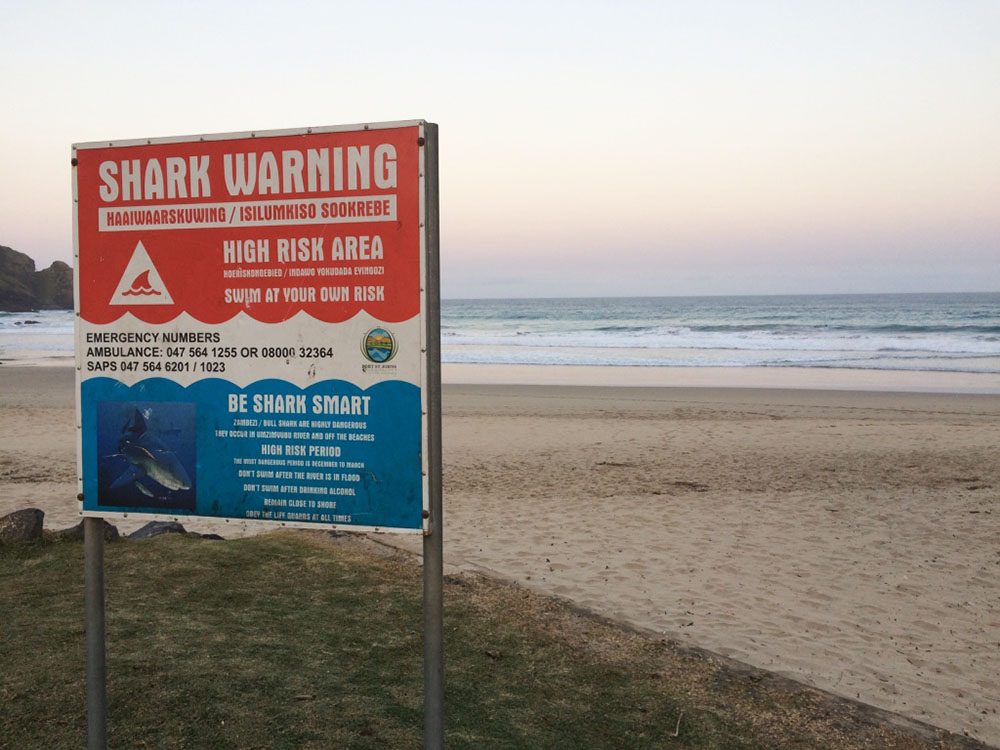

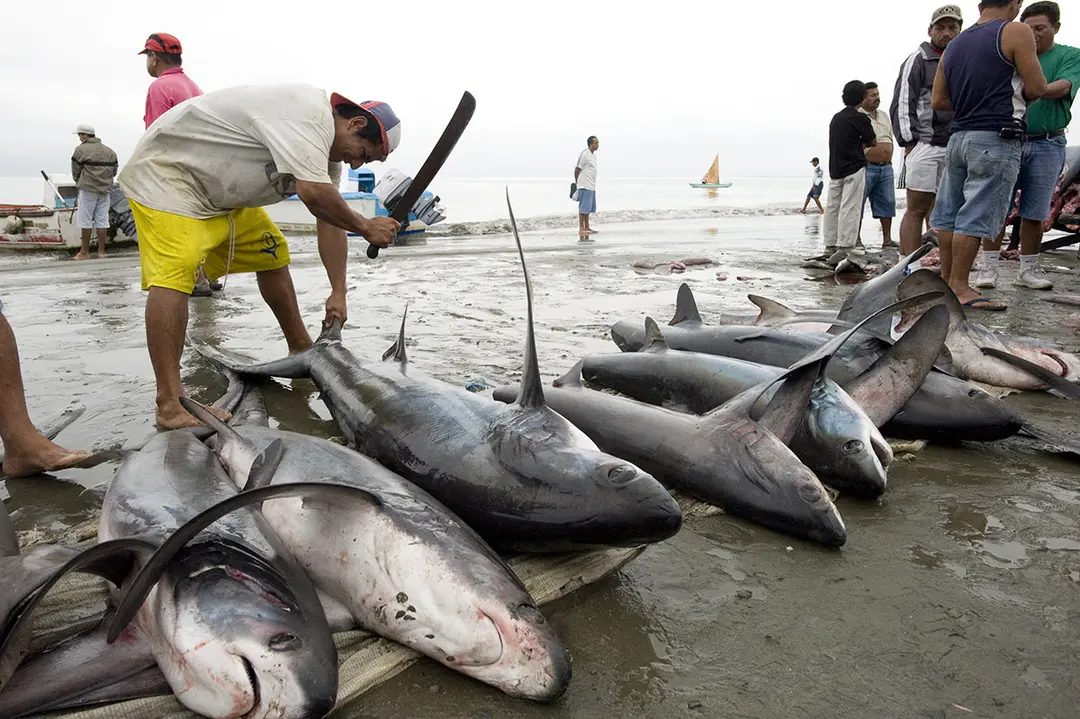
We’ve been sold a narrative for decades. The media loves a good shark attack story. It’s primal fear, simple and effective. But the reality on the ocean floor is far more disturbing. Sharks aren’t hunting us. We are hunting them.
Consider the scale. Every single year, between 63 million and 275 million sharks meet their end. Not in dramatic battles. In the cold, industrial machinery of human consumption. This isn’t just sport fishing. It’s industrial trawling. Artisanal nets. Poaching for fins. The list is endless.
The Silent Decline Since 1970
Look at the timeline. 1970. That’s when the numbers really started to drop. Since then, estimates suggest a staggering 90% of global shark populations have vanished.
Think about that. Ninety percent. That’s not a fluctuation. That’s a collapse.
“L’Homme est plus dangereux pour les requins que l’inverse.” — Humans are more dangerous to sharks than the reverse.
These creatures didn’t just disappear into thin air. They were pulled from the water, often while still alive, to be processed. The finning trade alone accounts for a massive chunk of this mortality. But it’s not just the fins. It’s the meat. The liver oil. The cartilage. Every part of the shark has a price tag in some market or other.
How Fishing Practices Impact Populations
Sharks are slow to reproduce. They take years to mature. A single litter might only produce a handful of pups. Compare that to tuna or cod, which spawn millions of eggs and reach sexual maturity in just a few years. Sharks are evolutionary slow-pokes in a world moving at breakneck speed.
When you remove even a small percentage of adult sharks from an ecosystem, it takes decades to recover. If you remove too many? The recovery never comes.
Industrial fishing fleets use longlines that stretch for miles. Sharks get caught. They’re discarded. Often dead before they hit the deck. Sometimes alive. The bycatch numbers are astronomical. And let’s not forget the sport fisheries. Trophy hunting. It’s a status symbol for some. A death sentence for the shark.
Where Are They Going?
The decline isn’t uniform. Some regions have seen steeper drops than others. The North Atlantic? Devastated. Parts of the Indian Ocean? Barely holding on. But even in protected areas, sharks struggle. Illegal fishing doesn’t respect borders. Poaching networks operate globally.
The loss of sharks doesn’t just affect the animals. It ripples through the entire marine food web. Sharks are apex predators. They keep the ecosystem in check. Without them, smaller fish populations explode. Those fish devour the prey of other species. The balance tips. Coral reefs suffer. Seagrass beds degrade. The whole ocean ecosystem becomes unstable.
Why This Matters to You
You might think this is just a marine biology issue. It’s not. It’s an economic one. A health one. A climate one.
Healthy oceans mean healthy fisheries for everyone else. Sharks maintain the biodiversity that supports those fisheries. They cycle nutrients. They clean up dead matter. They’re part of the ocean’s immune system.
When we lose sharks, we lose a critical piece

Let’s be honest. The dread of sharks isn’t really about sharks. It’s about us. It’s about the primal, inherited anxiety we carry as modern humans. When we stare into the water, we aren’t just seeing teeth. We’re seeing the wild. We’re seeing the end of our dominance. We’re seeing our own vulnerability. And finally, we’re seeing death.
This psychological battle is why the statistics matter so much.
The International Shark Attack File (ISAF) has laid out the numbers. The data doesn’t lie. If you are standing on a beach, the likelihood of being killed by a falling coconut is significantly higher than the likelihood of being killed by a shark.
Think about that for a second.
A piece of fruit falling from a tree is a far greater threat to your life than the apex predators of the ocean. Yet, we panic. We build fences. We ban swimming. We avoid the water entirely.
Why do we let a statistical anomaly dictate our behavior?
It’s not just about logic. It’s about the lizard brain. We evolved to fear things that could hide in the dark or strike without warning. Sharks fit that profile perfectly. Coconuts do not. They fall in broad daylight. They are predictable. They are boring.
But sharks? They are silent. They are unseen. They represent a loss of control.
This disconnect between risk and perception is dangerous. It keeps us out of the water. It fuels myths. It prevents us from understanding the actual ecology of the ocean.
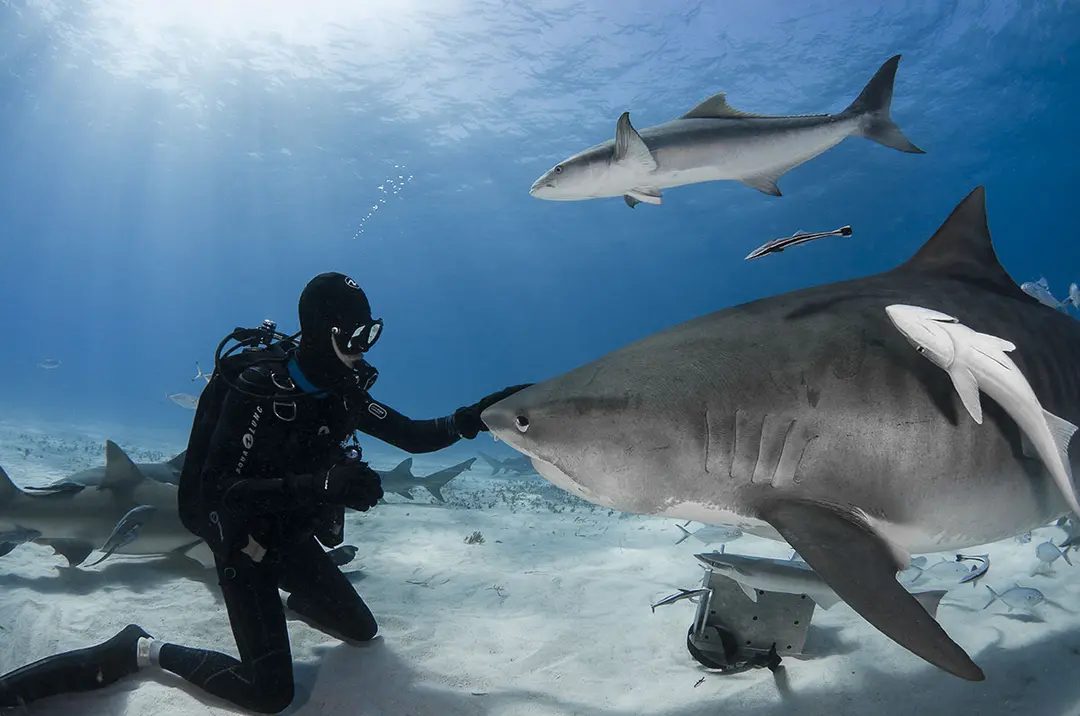
When you strip away the movies and the tabloids, the reality is mundane. Sharks are not hunting humans. We are not on their menu. We are an inconvenience. A mistake. A large, flailing object that tastes bad.
The fear, however, remains. It’s hard-wired.
So, what’s the solution? Do we just accept the coconut risk? No. We need to recalibrate our fear. We need to recognize that the real danger often comes from within our own heads.
Once you accept that the ocean is safe—statistically speaking—the panic fades. The water becomes a place of wonder again. Not a tomb.
But until then, we’ll keep watching the horizon. And worrying. Always worrying.

The Shark Misunderstanding Runs Deep
We are living in an age where misinformation travels faster than truth. And nowhere is this more toxic than in our collective view of sharks. For decades, these apex predators have been painted as mindless eating machines. The reputation is stained. It is built on speculation rather than science.
The public lacks basic information about this group of fish. We know the teeth. We know the speed. We rarely know the behavior.
This gap in knowledge allows bad faith arguments to thrive. People want to believe the myth because it is simpler. It is easier to fear a monster than to understand an ecosystem.
“The path toward cordial coexistence is still long.”
This statement from the source text is not just poetic. It is a logistical reality. We have spent a century alienating sharks. We are only now beginning to reverse that damage.
Why the Fear Persists
Sharks do not help their own case. Their design is efficient. Cold. Alien. But they are not hunting humans.
The data shows otherwise. Attacks are rare. Even rarer when you account for human behavior in the water. Yet, movies continue to spin the narrative. Documentaries rarely show the truth. They show the spectacle.
This creates a feedback loop. The public sees the fear. The public believes the fear. The public demands protection. The protection often harms the sharks.
The Cost of Speculation
When we let myths dictate policy, we lose. Coral reefs suffer. Fish stocks collapse. The ocean’s balance tips.
Sharks regulate populations. They remove the sick. They keep the food web tight. Without them, the system degrades.
We are seeing the results of this degradation in real time. Some shark species are nearly gone. Not because humans are under attack, but because humans are indifferent to the ecological role these animals play.
Moving Toward Coexistence
The goal is not to cuddle a Great White. The goal is rational respect. It is understanding that these creatures are part of a delicate web.
Education is the only tool we have that works long-term. We need to replace the “Jaws” mentality with biological reality. It is a slow process.
People are skeptical. They have been told lies for too long. But the facts are clear. Sharks are not the enemy. They are the guardians of the marine environment.
The path ahead is not short. It requires unlearning deep-seated fears. It requires admitting that we got it wrong.
But if we do not make the effort, the ocean pays the price. And so do we.