



Most people know creatine for one thing: bigger muscles.
It’s the go-to powder in gym bags everywhere. It helps cells make ATP, the fuel that powers movement. Simple enough.
But a new study from UCLA flips the script.
Creatine isn’t just for gains. It might be fueling the entire immune system’s war room. Specifically, it helps the cells that command the fight against cancer.
“Creatine doesn’t just help the T cells… it energizes the entire infrastructure that supports and guide them.”
— Lili Yang, Immunologist
How Creatine Powers Dendritic Cells and Killer T Cells
The immune system has soldiers and generals.
Killer T cells are the soldiers. They rush in and destroy cancer cells. But they need orders.
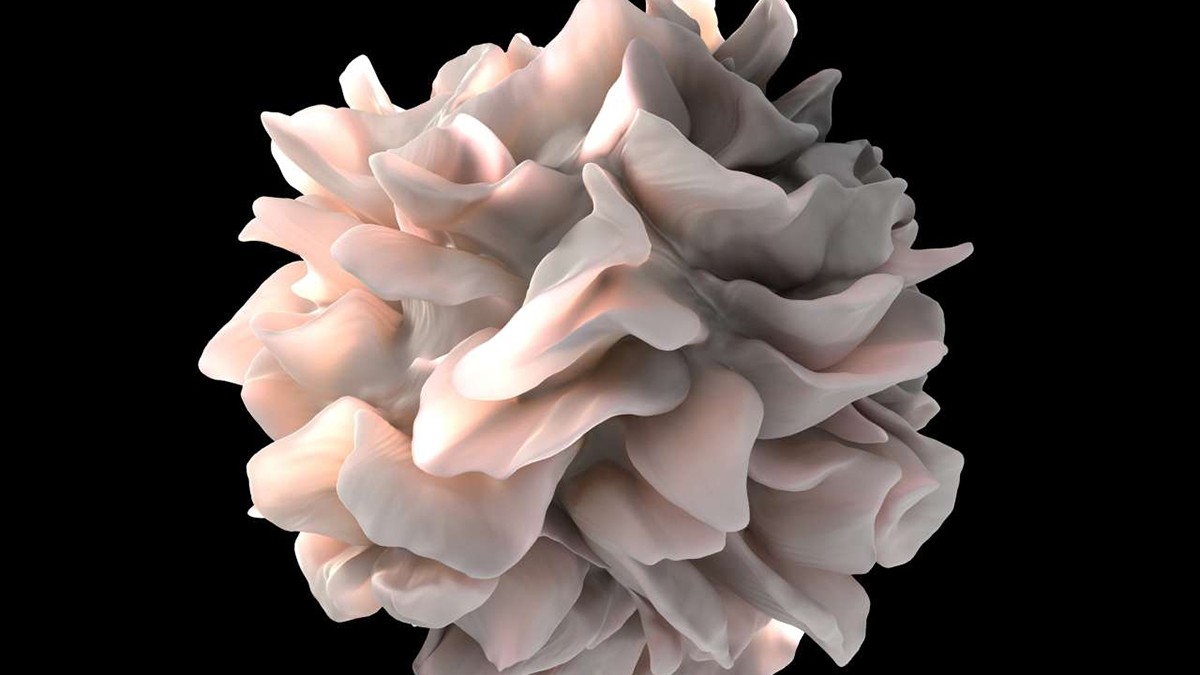
Dendritic cells are the generals. They find tumor fragments, identify the enemy, and direct the T cells into the fray. Without good intelligence, the soldiers wander aimlessly.
Researchers looked at mouse tumors. They noticed something odd.
The genes that pull creatine into cells were working overtime inside dendritic cells found within tumors. These support cells were hungry for the compound.
When the team removed the creatine transporter from these cells in a lab setting, the dendritic cells died faster. They couldn’t train the T cells effectively. The immune response stalled.
The reverse was also true.
When they boosted creatine levels in mice with melanoma, the results shifted.
Tumor growth slowed. Dendritic cell numbers increased. The “generals” became more active and better at mobilizing their troops.
Why Immunotherapy Fails and How Creatine Might Help
Current immunotherapies are powerful.
They train your body to recognize cancer. But they don’t work for everyone.
Only 20 to 40 percent of patients see significant success. The rest? The treatment fizzles. The immune system isn’t activated enough. Or it’s too exhausted to fight.
This is where creatine enters the conversation.
It acts as a backup battery.
If dendritic cells are energy-starved, they can’t process the data needed to trigger a full immune attack. By providing extra metabolic fuel, creatine might keep these support cells alive and efficient.
“It’s about supporting the entire anti-tumor response,” says Elliot Kang, a molecular biologist involved in the study. “Not just the killer T cells at the end.”
Think of it like upgrading the internet connection during a video call. The speakers (T cells) are fine. The problem was the lag in the data stream (dendritic cells). Creatine fixes the lag.
Should Cancer Patients Take Creatine Supplements Now?
Short answer: no.
Not yet.
These findings come from mouse models and human cells grown in petri dishes. That is not a human body.
Human biology is messy. What works in a sterile lab or a genetically uniform mouse might not work in a patient with complex medical history, kidney issues, or other medications.
“Cancer patients shouldn’t be taking creatine… without consulting a doctor.”
— Research Team
Creatine is generally safe. It’s used to treat rare metabolic disorders. It’s cheap. It’s widely available.
But “safe” doesn’t mean “recommended for your specific cancer type.”
The researchers want to run clinical trials next. The goal is to test different levels of creatine in people already undergoing immunotherapy.
They want to see two things:
- Does adding creatine boost the success rate of current immunotherapies?
- Can creatine improve the quality of dendritic cell vaccines before they are even administered to patients?
If the data holds up in humans, the impact could be substantial.
We might see that 20-40 percent success rate climb. Not because we found a magic bullet. But because we gave the existing machinery better fuel.
It’s a small tweak.
Maybe just a scoop of powder.
But in the fight against cancer, sometimes the smallest support makes the biggest difference.
The trials are pending. We wait.
Until then, the science is clear: creatine does more than build muscle. It builds immunity.