




It started with a splash of yellow and a lot of noise. Or rather, a lot of silence, which was broken by sudden applause.
In 1934, members of the Gérardmer Motorcyclists’ Association were driving home after a leisurely tour. They had a silly idea. Instead of just riding, they decided to decorate their entire bikes with daffodil flowers. When they returned to the town square, they looked less like a group of bikers and more like a rolling garden.
The reaction was immediate. The locals didn’t just look; they stopped. They gathered. They loved it.
The enthusiasm was so palpable that the organizers did not have to wait long. By the next year, the random stunt had become a planned event. On April 22, 1935, the first official daffodil festival was held in Gérardmer. Thousands came. The tradition started on a whim.
A city transformed by flowers
Gérardmer doesn’t just organize a parade. The whole city changes its face.
The Gérardmer Daffodil Festival is based on the joint efforts of all residents. You walk the streets and the visual impact is overwhelming. It’s not just about the main stage. The whole community participates in turning the city into a flower canvas.
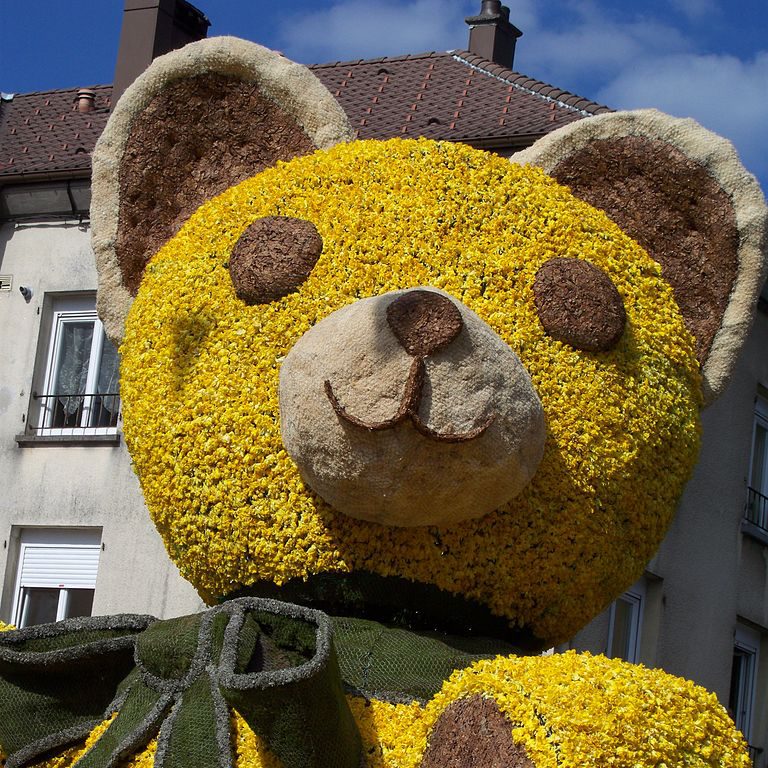
The highlight is undoubtedly the flower parade. 20-30 floats parade through the city, each decorated with thousands of flowers. But the real energy comes the night before.
This is the “Nuit du Piquage” or Night of Pinning. It is an open call to action. Anyone can come to designated locations to attach flowers to parade floats. There’s music. There is folklore. There is a sense of co-creation. People don’t just watch; They build the spectacle with their own hands.
The rules behind the crown
This celebration has a special name that has remained the same for decades. Since 1936, the daffodil queen has been crowned in each edition.
This is not just a popularity contest. The role has strict criteria. The queen is chosen during the grand ball, but eligibility is limited. To qualify, a woman must:
- Be at least 17 years old.
- Be single and childless.
- Be a resident of the canton of Gérardmer for more than six months.
The residency requirement ensures that the title remains tied to the local community and does not become a traveling trophy. It anchors the festival to the people who live there.
Why this is important
We often think of festivals as commercial events. Tourists arrive, buy tickets, take photos and leave. Gérardmer’s model is different. It is based on local pride and grassroots involvement.
Motorcyclists had no economic strategy. They just wanted to look pretty on their bikes. But in doing so, they created a mechanism for civic engagement that has endured for nearly a century. Flowers are the medium, but the real product is community cohesion.
The festival survives not because of huge state subsidies, but because the residents of Gérardmer decide every spring to put flowers on floats and decorate their streets. It is a reminder that some of the most enduring