




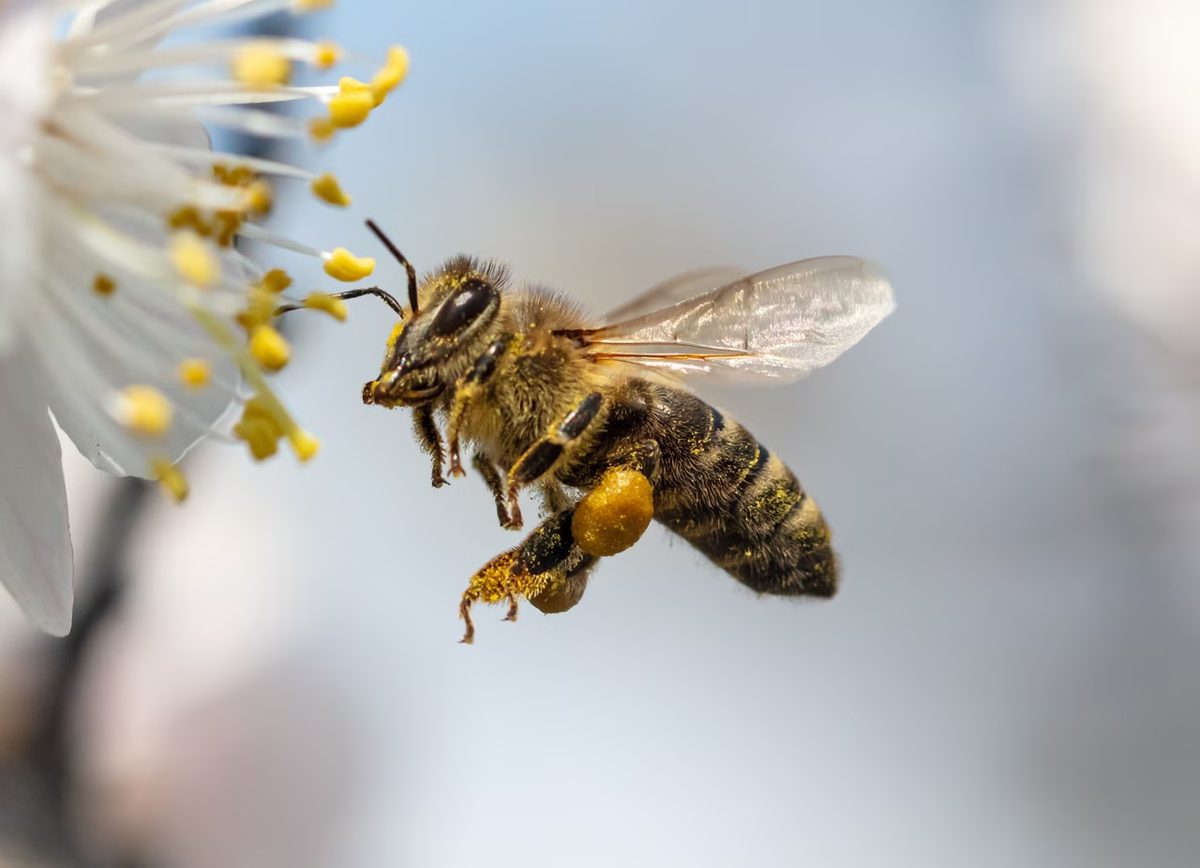
Ecosystems are fragile machines. Each gear must be in the exact position. Pull one out. Watch the whole thing collapse like a house of cards. Some of the missing parts seemed harmless. Some can cause life-threatening damage. Bee deaths are not abstract statistics. This is a structural collapse.
Why pollinators are important in your diet
We tend to think of pollinators as just bees. They are not. rodents. reptiles. Even people. We all help move pollen. But insects do the heavy lifting. In Europe, the numbers are grim. 78% of wild plants depend on them. 84 percent of cultivated species in the EU depend on insects for reproduction.
It’s not just about pretty flowers. This is about the economy. The European Parliament estimates that the contribution of insect pollinators to agricultural production is 15 billion euros per year. The money comes directly from the work of small flying insects.
Think about what you eat. About 35% of the food on your plate comes from pollinators. This includes plants used to feed livestock. Their effects are invisible until they dissipate. If they disappear, the food chain will be shaken.
Human costs of insect reduction
People are the architects of this crisis. climate change. Pollution. Pesticides. Destruction of the natural habitat. Loss of plant biodiversity. Introduction of alien species and diseases. These factors led to a large number of deaths.
A study of 150 meadows in Germany revealed a frightening trend. Arthropod populations there have decreased by 78%. This is not a typo. That is a collapse. Bees also belong to this group. They are also on the decline. They are responsible for about 40 percent of pollination. When bees die, crops fail.
We cannot wait for a miracle. We must take action. Here are 10 concrete steps you can take to protect bees and create an environment where pollinators can thrive.
1. Plant native wildflowers
Exotic plants look great. They usually do not feed on local bees. Native wildflowers do. They co-evolved with local insect populations. Pollen and nectar fit the ecology of bees. Plant a patch of wildflowers. Let them grow wild.
2. Create a Bee Bath
Bees need water. Puddles are dangerous. Predators are waiting there. Ditches are stagnant. Prepare a shallow container with stones. Fill it with water. These stones serve as landing sites for bees. They can drink water without drowning. It’s a simple gesture. It can save lives.
3. Remove pesticides from your home
You don’t have to wage chemical warfare in your garden. Neonicotinoids are killers. They attack the bee’s nervous system. Avoid treated seeds. Avoid spraying chemicals. Use organic options. If you find aphids, crush them with your hands. Protect pollinators.
4. Leaving leaves in autumn
Bees do not hibernate like bears. Many species nest in hollow stems or underground. Fallen leaves provide insulation. Provides protection from the cold. Clean up your garden in the spring. Leave the debris over winter. Let nature take its course.
5. Plant a garden that keeps blooming
Bees need food all season long
Why does buying local honey matter?
Most people believe that all honey is created equal. This is not true. Buying from local specialty producers cuts out the middleman and ensures you’re supporting local ecosystems. Avoid mixes that come in standard supermarket jars. These are usually cut with rice or corn syrup. This is not honey. This is sugar water with a label. When you buy local, you directly support beekeepers who help stabilize pollinator populations in certain climate zones.
Planting for pollinators: less grass, more life
The help of the botanical garden is not needed. Planting some nectar-rich native plants on your balcony or in your soil can make a big impact. Think clover, wild garlic, cosmos, asters, scabious, lavender, poppy, clematis, perennial sage, wisteria, honeysuckle, cornflowers and basil.
Do not store dead grass. This is a biological desert. Replace it with a flower meadow. You can spend less time mowing and more time supporting biodiversity. Native plants adapt to the local climate. Less water is needed. They provide special nutrients for which local bees have evolved.
Better protection than an “insect hotel”
Large, ornate “insect hotels” are rarely recognized by entomologists. they don’t work well. Diseases spread easily among them. Instead, keep it simple. Dry pieces of wood with holes or hollow stems (reeds, bamboo) work well. Make sure the edges are smooth. No splinters. Debris rips off fragile wings.
Let the wild bees run free. Industrial-scale beekeeping can actually have a negative impact on biodiversity. Domestic bees compete for natural resources with native species. People’s self-regulation naturally maintains the balance of the ecosystem. Both are required.
Water and No Chemicals
Bees work hard. they need water. Place stones or branches in a shallow container to prevent drowning. Simple.
Then stop using pesticides. Neonicotinoids attack the nervous system of insects. they are poisonous. Herbicides are also not good. They kill the food source. Look for natural alternatives. A healthy garden does not need chemical weapons. Balance required.
Beekeeping: Do your homework
If you have the space, learn before you buy equipment. Beekeeping cannot be improvised. This requires an understanding of hive health, swarm behavior and seasonality. Rush in without training, and you’ll likely fail the bees.
Harvest responsibly
Bees produce extra honey to survive the winter. You can take a reasonable amount yourself. If they look short in the cold months, give it back. Keep a smoker nearby. However, use it sparingly. The smoke stresses them out. Sure, it hides their alarm pheromones, but it’s still a distraction. Learn how to extract frames gently. A happy colony is a productive colony.
If you can’t keep a bee, sponsor one
Not everyone has a garden. Many organizations allow you to sponsor a hive. In return, you get jars of honey a few times a year. This is an easy way to fund conservation without the labor. Look for reputable groups online.
Talk about it
Individual actions matter. Collective action matters more. Tell your friends. Talk to local politicians. Push for bans on harmful pesticides. It’s not just about saving the bees. This protects the food supply and health of farmers who depend on pollination.
The clock is ticking. All the flowers planted, all the chemicals avoided add up.