



Archaeologists have spent decades staring at bones. They see an adult and a child in the same grave and assume they are parents. It makes sense. It fits our mental model of kinship. But ancient DNA is blowing that assumption apart.
In medieval Scandinavia, people buried together rarely had a biological connection. The “family plot” idea is largely a myth. This changes everything we think we know about how early Christian communities organized their dead.
Who Was Buried With Whom?
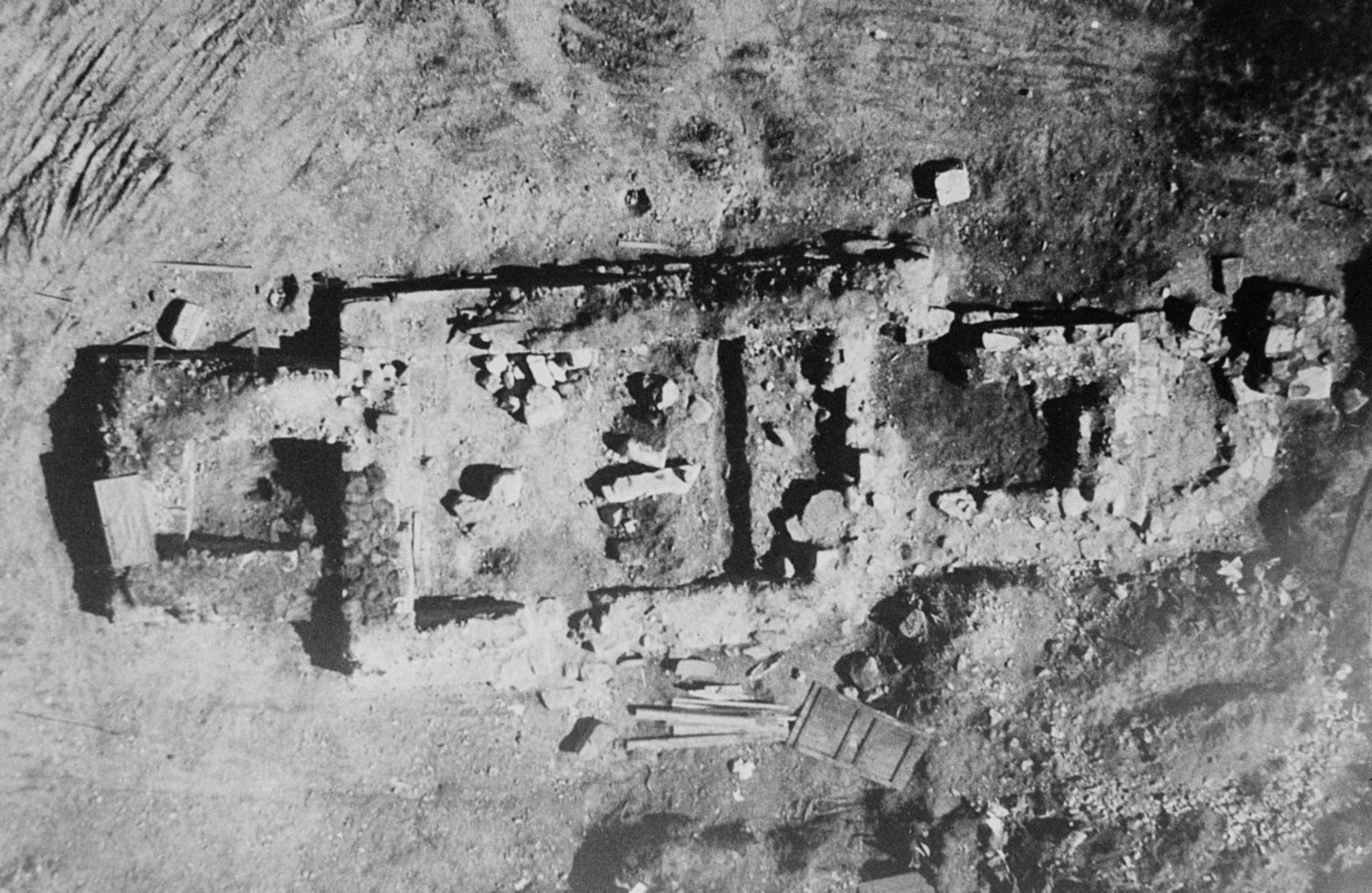
Researchers at Stockholm University didn’t just guess anymore. They sequenced the genomes of 142 individuals. These were people who lived during the late Viking Age through the Middle Ages. The samples came from shared graves in Sigtuna, Västerhus, and Fjälkinge.
The team focused heavily on children. More than 60 kids and adolescents were analyzed. The data was stark. Close relatives sharing a single grave was the exception, not the norm. Even in cemeteries with strong broader family links, the immediate burial partners were often strangers or distant kin.
“We often assume that adults and children sharing agrave were parents and children or other close family. In most cases, that was not found,” said Maja Krzewińska. She leads the Centre for Palaeogenetics work at Stockholm University.
This isn’t about randomness. Something else was driving these choices. Maybe religion. Maybe social status. Maybe the circumstances of a sudden death forced quick, non-traditional burials. We don’t know for every single case. But we know the biological tie wasn’t the main factor.
“Archaeologists have debated this for a long time. AncientDNA gave us the tool to test it directly,” Anna Kjellström noted.
Gendering Childhood: Boys and Girls in the Same Space
Before genetic testing, determining the sex of young children from bones was hit-or-miss. Osteologists need fully developed physical differences to be sure. Young kids? They’re too uniform.
DNA removed the guesswork. It revealed something surprising about how medieval Scandinavians viewed youth.
They weren’t seen as a separate social category. Boys were buried on the side of the churchyard reserved for men. Girls went with the women. This was standard practice at Västerhus. The treatment matched adult customs exactly.
“The children were not treated as a separate group. They were governed by the same social and religious principles as adults,” explained Professor Anders Götherström.
This implies that gender identity was recognized very early. It wasn’t something that only clicked on at adulthood. It was embedded in their burial rites from the start.
The Pilgrim of Västerhus
One grave tells a story of movement and distance. A woman, dubbed Lady 56, lay buried in Jämtland. On her chest? A scallop shell.
That shell is a specific signifier. It marks a pilgrim who walked the Camino de Santiago to Compostela in northwest Spain. It wasn’t a common grave good in medieval Scandinavia.
Genetic testing mapped her family. She was connected to her parents, her brother, and two daughters in the same cemetery. They were buried in different sections, however. They didn’t share a plot.
The shell suggests Lady 56 undertook a massive journey. Thousands of kilometers. Across Europe. She likely returned to Jämtland before she died, passing away before age 30. Her family waited in the local ground, but she brought a token from Spain.
It’s a personal glimpse into a life defined by travel and faith, separated from her kin only by distance and death, not by burial custom.
What This Means for Archaeology
The findings from Science Advances (published July 2026) highlight the power of archaeogenetics. It’s not just about who is related to whom. It’s about context.
When you combine DNA with grave goods, location, and skeletal analysis, you get a clearer picture. You see how communities were structured. You see how they understood gender and childhood. You see religious practice in action. You see migration.
The old assumptions—buried together means family—are too simple. The reality was messier. It was shaped by custom, faith, and accident. The DNA doesn’t lie. It just forces us to rewrite the history books.
Reference: “Equal in death: Ancient genomic analysis of children’s earlyChristian burials” by Maja Krzewinska et al., Science Advances, July 10, 2026.