


China did it first.
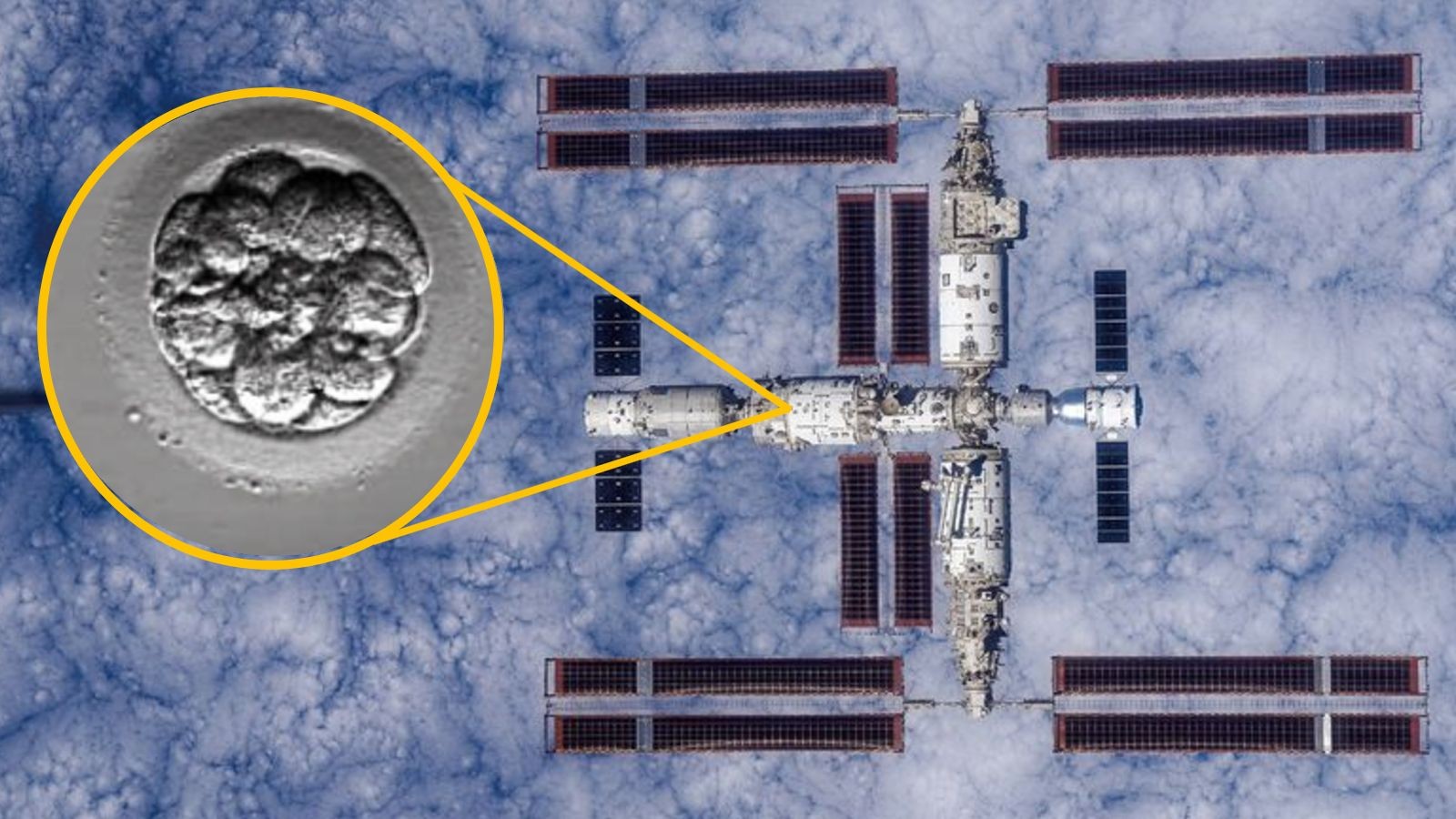
Or maybe not did it. They sent synthetic mimics into orbit. Human artificial embryos, if you want the fancy term. Living stem cell clusters that look like early life but never become anything more.
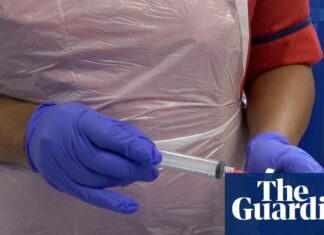
The Tiangong space station received them in the small hours of May 11. Part of the Tianzhou-10 cargo haul. Around 7 tons of stuff. Food, fuel, spacesuits, and now. These little biological questions.
The goal is clear. We want to live off-world. Mars, the moon. But we can’t if we can’t reproduce. Microgravity messes with physics. Radiation messes with DNA. Can a baby grow when the gravity is wrong?
“This is not a real human embryo.”
That was Leqian Yu. A researcher at the Chinese Academy of Science. She was explicit about the ethics. No fetus here. No baby. Just a model.
The structures mimic days 14 through 21 of development. That tricky window where an embryo attaches to a uterine wall or splits into layers. Peri-implantation. Peri-gastrulation. Scientific jargon for the moment things start looking like something rather than a blob.
They got five days up there.
Five days before flash freezing. Then Earth. Then analysis.
Ground teams grew identical samples in China. Controls. You can’t trust the space data without a baseline. Compare the orbital cells to the terrestrial ones. Find the variables. Radiation effects. Gravitational stress. Yu called it “identifying the factors affecting early growth.”
Polite.
Zebrafish and mouse embryos hitched a ride on the same truck. Tianzhou-10 lifted off from Wencheng around 8:14 p.m. EDT. About five hours before docking. The ship is a beast, similar to those ISS cargo vessels we’ve seen a hundred times. Just carrying different cargo.
Why does this matter?
Because space tourism isn’t science fiction. People will fly. People might… act on impulses. Experts have warned that sex will happen in zero-g. Babies might follow. Or try to.
And space doesn’t care.
Radiation is high. Microgravity is low. A recent study showed sperm gets confused by the lack of gravity. Sperm just wander off. Fertilization fails. Stem cells age faster in orbit, too. They wear out before they work out.
Yu asked if life evolved under gravity is affected by its “sudden absence.” It probably is. The body axis establishes early. Head. Tail. Structure. Mess that up, and the blueprint fails.
Is it even possible to reproduce off-world? Maybe not naturally.
Private companies are already looking at in-vitro fertilization kits for Mars. Building test tube babies in tin cans. It sounds like black mirror. It’s actually logistics.
We have five days of data now. The embryos are frozen. The samples are coming home. We’ll know how the cells behaved when the ground stopped pulling.
But we won’t know if a baby can actually survive the birth. Or the upbringing. Just the first week of pretending to be alive.