
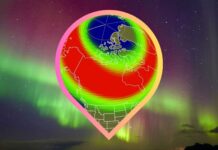




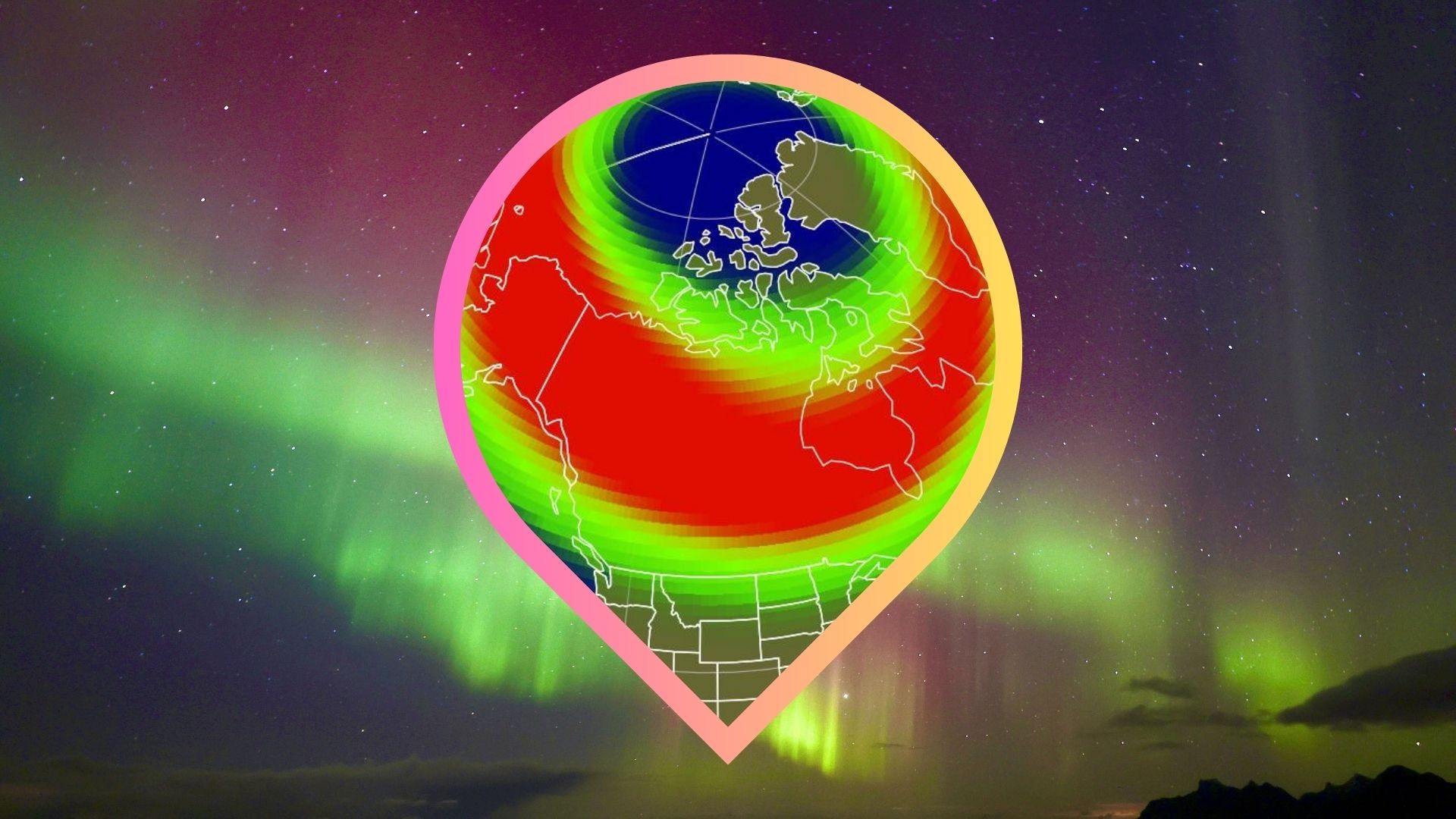
Solar wind is blasting out from a huge coronal hole on the sun. It is moving fast. Tonight, through May 17, this stream could spark a geomagnetic storm. If you are patient, you might see the northern lights in places they rarely visit. Think northern Michigan. Maine. Maybe further south if luck holds.
The Timing and Intensity
NOAA says we are looking at minor G1 geomagnetic storm conditions. That is not the biggest category, but it is enough. The strongest activity hits between 11 p.m and 2 a.m. local time (03:00 to 06:00 GMT).
G1 storms can push auroras far below their usual path.
Expect this to rumble on through May 17. The solar wind keeps hitting Earth’s magnetic field, buffeting it, changing it. It doesn’t stop just because the clock strikes midnight.
Who Gets the Show?
Usually, you have to be way north. Alaska. Upstate New York. During these conditions, the band widens.
Alaska, North Dakota, Minnesota, Wisconsin. Michigan and Maine get a serious chance. But visibility isn’t automatic.
Clouds ruin everything. City lights kill the effect. Earth’s magnetic field might not cooperate. You can have a strong storm and see nothing but empty sky. Is that frustrating? Sure. It happens.
How to Actually See It
Get out of the city. City light pollution eats faint colors. Find a dark patch. Look north.
Do it as soon as it is dark enough. Your eyes might miss the green wisp, but your phone? Smart cameras often see what your retina skips over. Point the lens north and hope the sensors catch it.
Dark sky location. Far from light pollution. Look north immediately.
The UK Met Office has a forecast if you want to check the probabilities. Otherwise, just look up. You might see it. You might not. Either way, the sun is busy.