



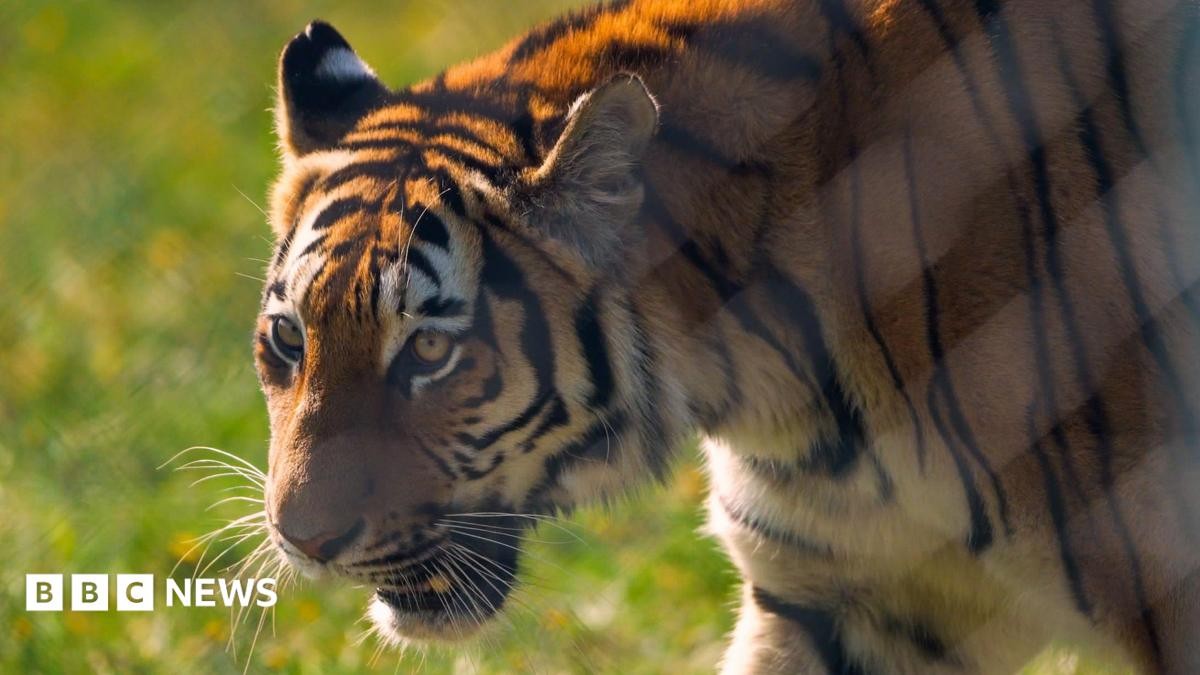
She is gone. Well. Not gone. Just elsewhere.
Ginger Biscuit is a rare Amur tiger. She left Longleat on Tuesday. She landed in Woburn. Bedfordshire air feels different there. It smells different.
Confidence. That’s the word keepers are using.
It feels like the right word.
Two years old is young for a wild tiger to split from its mom. In the woods they stay together. Up to three years. Sometimes more. This is different. This is calculated. The Woburn people called it a “natural transition”. That sounds nice. But the real reason is the grid. The spreadsheet of European zoos trying to keep the bloodlines thick enough to survive.
The European Endangered Species Programme. It sounds bureaucratic. It isn’t. It is how the species stays alive while the wild populations bleed out.
Ben Davies, head of carnivores over there, didn’t mince words.
“She’s settling in well. Getting used to her new surroundings. Exploring trees and bushes.”
She watches the other tigers. From a distance. Smart girl.
“She’s confident and so far. So good.”
It matters. It has to matter. Safari parks used to be about watching animals in cages with nice views. Now? Now they are arks. For species under real pressure. Real. As in they are disappearing. Fast.
Her team will help her settle. They want her to thrive. It is not just about comfort. It is about genetics. It is about the future of the Amur tiger in captivity.
Does she know why she is there?
Probably not. But she knows the trees. And the bushes. And the new scent of her home.
For now, she watches. She waits. She exists.
The rest is up to them.